
From Sea to Table: How Salt is Made at Korea’s Best Salt Farms – A Must-Visit Guide!
Daniel Kim Views
Translation result
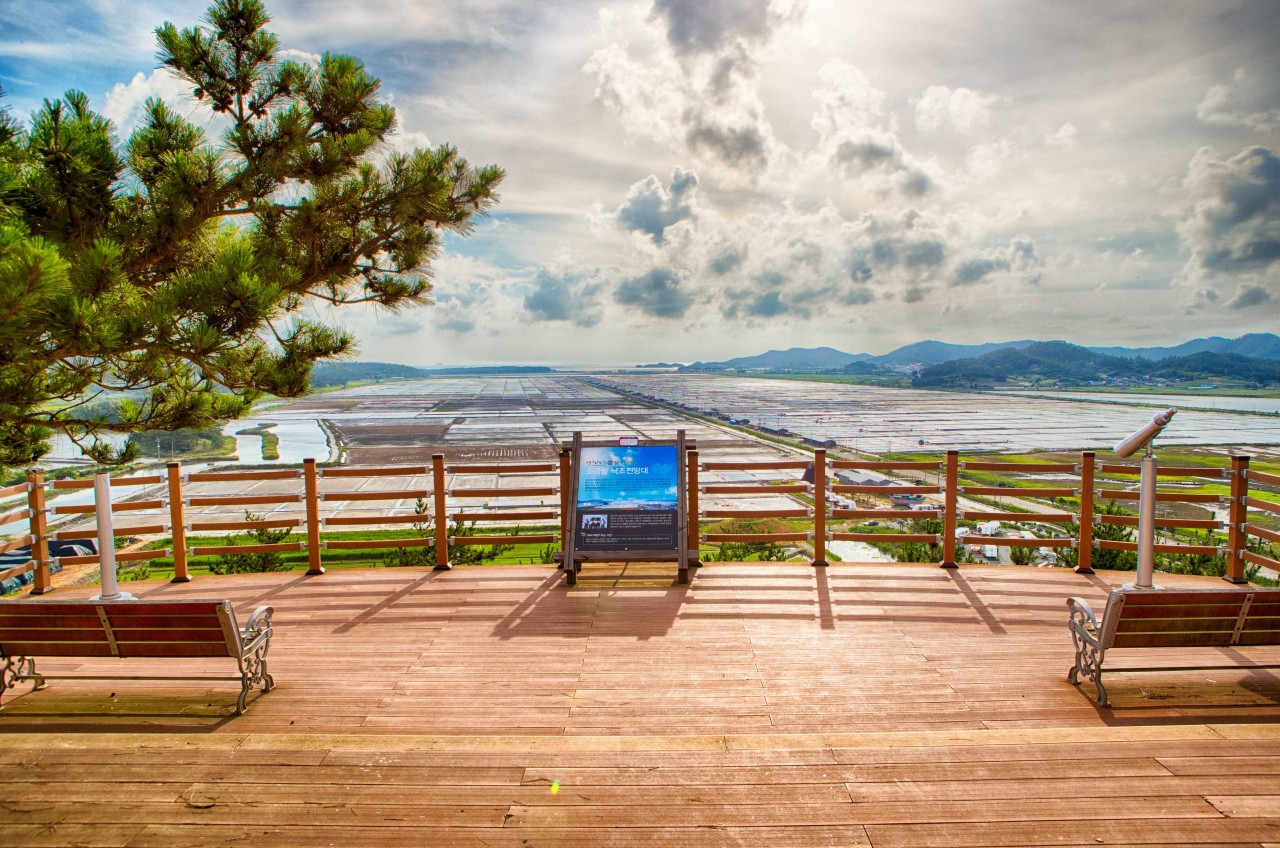
Think the salt in your pantry just magically appears in a bag? A salt-farm experience will humble you—in the best way. Scraping gleaming crystals with a daepa (the traditional salt rake) until your back protests turns you into an instant working-class hero. And honestly, the sweat you shed under the sun makes tonight’s dinner taste that much better.
Here are four treasure-like salt-farm spots across Korea where white salt “flowers” glitter like tiny gems.
Taepyeong Salt Farm, Sinan
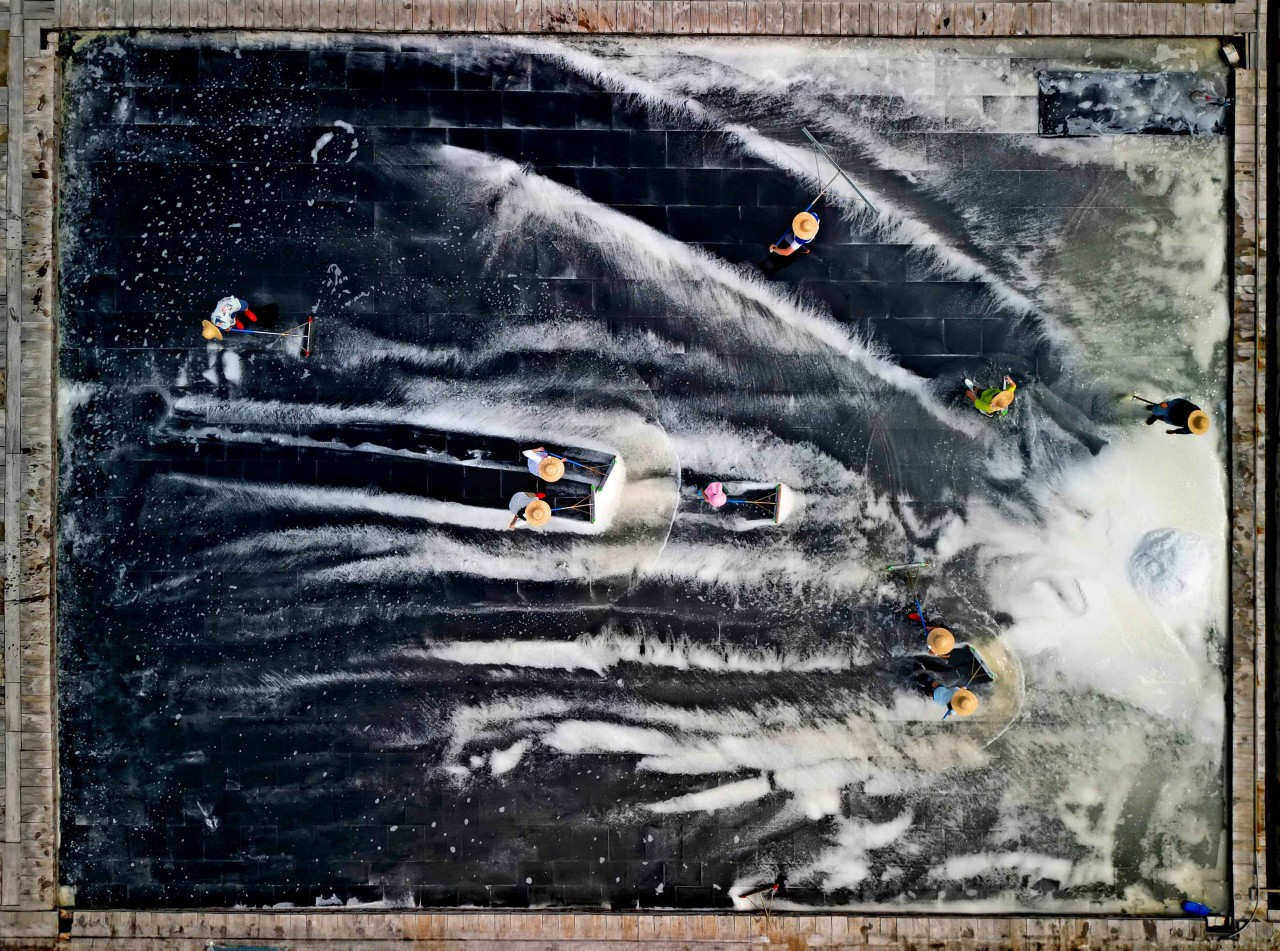
If you’re chasing the ultimate salt-farm day, head to Jeungdo Island in Sinan, South Jeolla Province. Taepyeong Salt Farm is Korea’s largest salt field: it spans about 4.6 million m² (roughly 1,136 acres), nearly twice the size of Yeouido, and it’s recognized as a modern cultural asset—so it doubles as a hands-on history lesson for kids.
The experience kicks off at the Salt Museum, moves to a stroll through the halophyte botanical garden, and peaks with time in the salt pans—raking salt and turning the waterwheel. The salt you earn with your own sweat tastes as rewarding as the bag you take home.
Operating period: mid-March to mid-October (closed in winter; salt production pauses)
Experience time: phone reservation required
Siheung Gaetgol Ecological Park Salt Experience Center
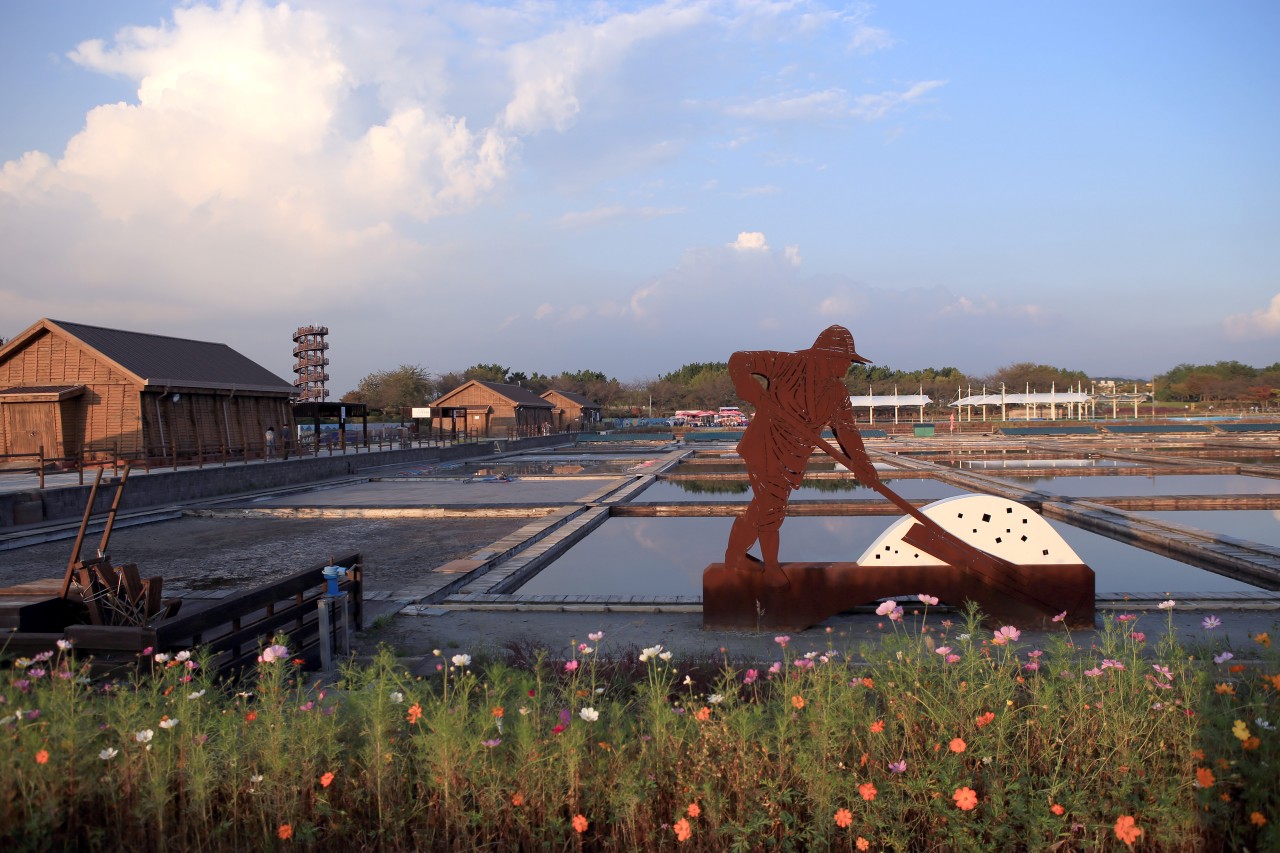
If a long trip to Jeonnam feels like too much, city families and weekend riders near Seoul will love Siheung’s Gaetgol Ecological Park. Built on the former Sorae salt fields, the park still echoes with the traces of old salt warehouses and pans. Best of all, it’s run by the local government, so the fees are wallet-friendly.
The hands-on session runs about 40 minutes and gives kids a memorable chance to make salt. Note: the site closes during the peak heat of July and August, so plan around that.
Operating period: April to October (closed during July–August peak heat)
Bring: aqua shoes, hat, towel, personal water bottle
Fee: varies / check the website
Dongju Salt Farm, Daebudo (Ansan)
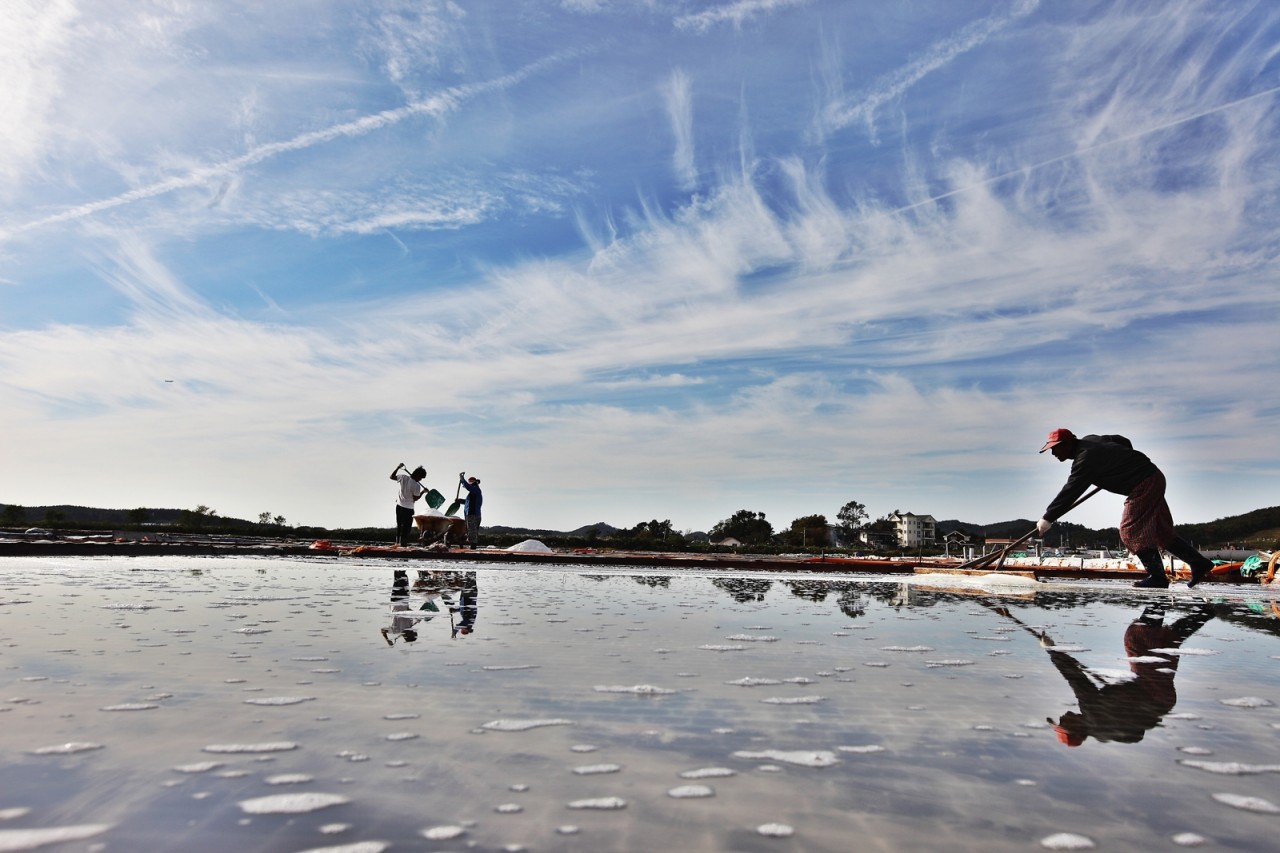
Dongju on Daebudo keeps traditional solar salt-making alive by lining the pans with pottery shards before harvesting. From its roughly 100,000 pyeong site (about 330,600 m² / 82 acres), you can learn age-old techniques and join playful workshops—think colored-salt pillars and handmade natural soap made from the salt you collect. It’s not just about raking salt; many programs let you turn raw salt into finished keepsakes, making this perfect for hands-on travelers.
The farm pairs nicely with a West Coast drive, making it an ideal weekend escape.
Operating period: May to October
Fee: varies / check the website
Gomso Salt Farm, Buan
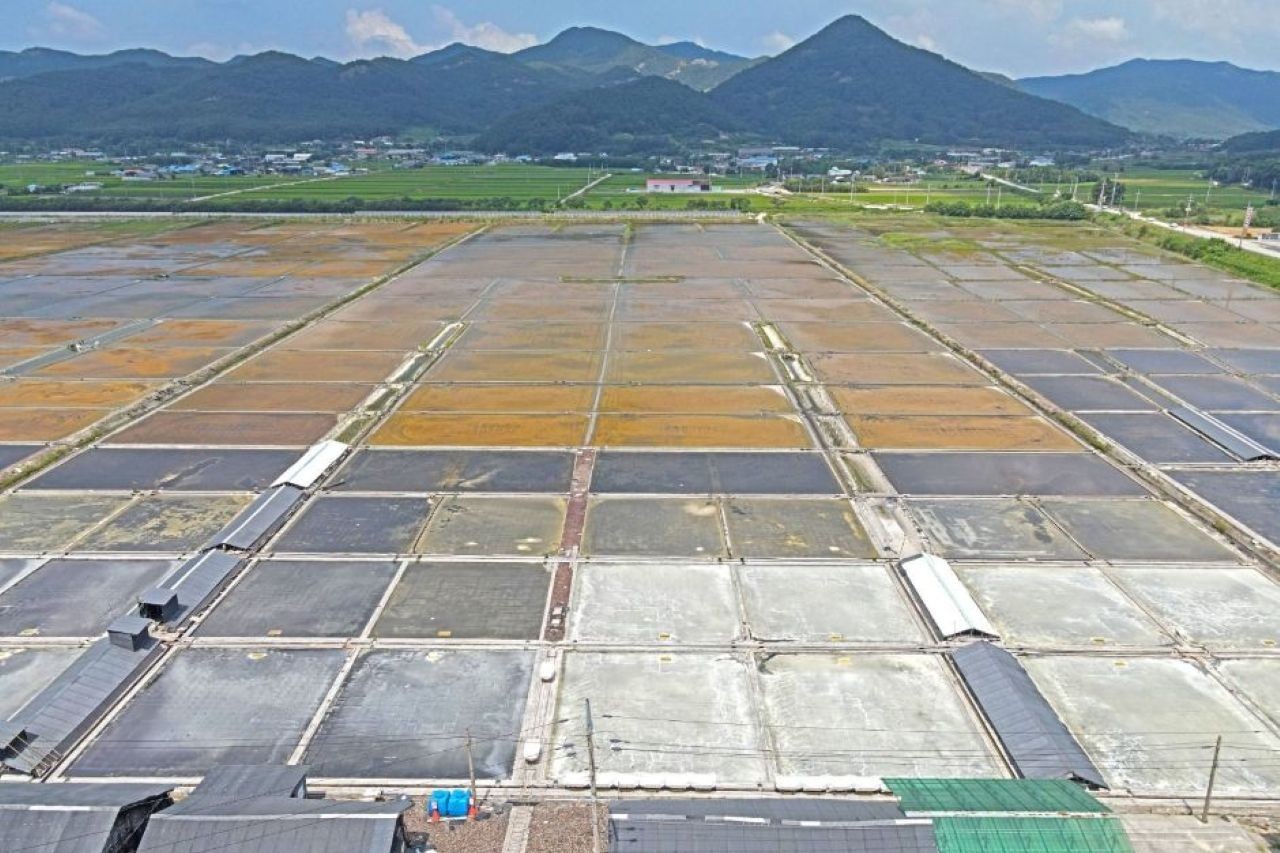
If you’re more about the view than the work, Buan’s Gomso Salt Farm is your vibe. It’s ideal for soaking in calm reflections of the sky across the salt ponds—so photogenic it’s earned the nickname “Korea’s Salar de Uyuni” online.
Salt made from the mineral-rich waters of Gomso Bay has a distinct taste and helps give the local Gomso Jeotgal Market its unforgettable fermented seafood flavors. Snap an iconic photo on the salt flats, then grab some market-made jeotgal, and you’ve got a nearly perfect weekend plan.
Recommended combo: salt-farm scenery + Gomso Jeotgal Market + a drive along the Chaesokgang cliffs on the Byeonsan Peninsula
So, how did those white salt “flowers” look to you? If you’ve been taking supermarket salt for granted, make this summer the one where you try a salt-farm experience. After working up a sweat, a cold drink and a dinner that tastes like heaven will be waiting.










Most Commented