
Translation result
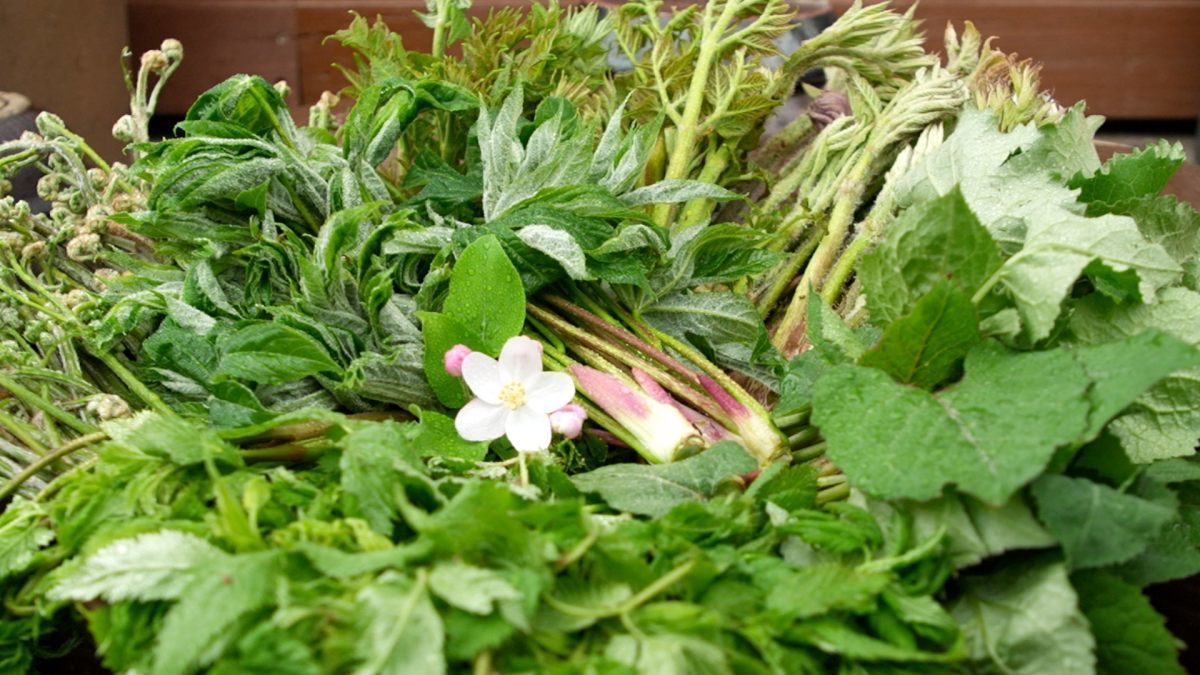
EBS1’s Korean Journey opens the first episode of its “Sunlight of My Life, Family” series with a profile of the Min Byung-gi family, who moved to the slopes of Jirisan and now tend walnut trees and beds of mountain greens through the spring.
The episode follows three generations as they harvest seasonal mountain greens—such as erythronium (known locally as nun-gae seungma), dureup (Aralia elata shoots) and bracken—and prepare a table redolent of spring.
‘Korean Journey’ — Sunlight of My Life, Family, Part 1: The Spring Treasures Three Generations Harvest Together
Every day, someone climbs the mountain on Jirisan’s flank. Min Byung-gi, who has always loved trees, left city life and returned to his hometown 20 years ago. In his 50s, while working for a Seoul pharmaceutical company, he confronted a major health crisis when doctors diagnosed him with thyroid cancer. He chose to return to the trees he loved.
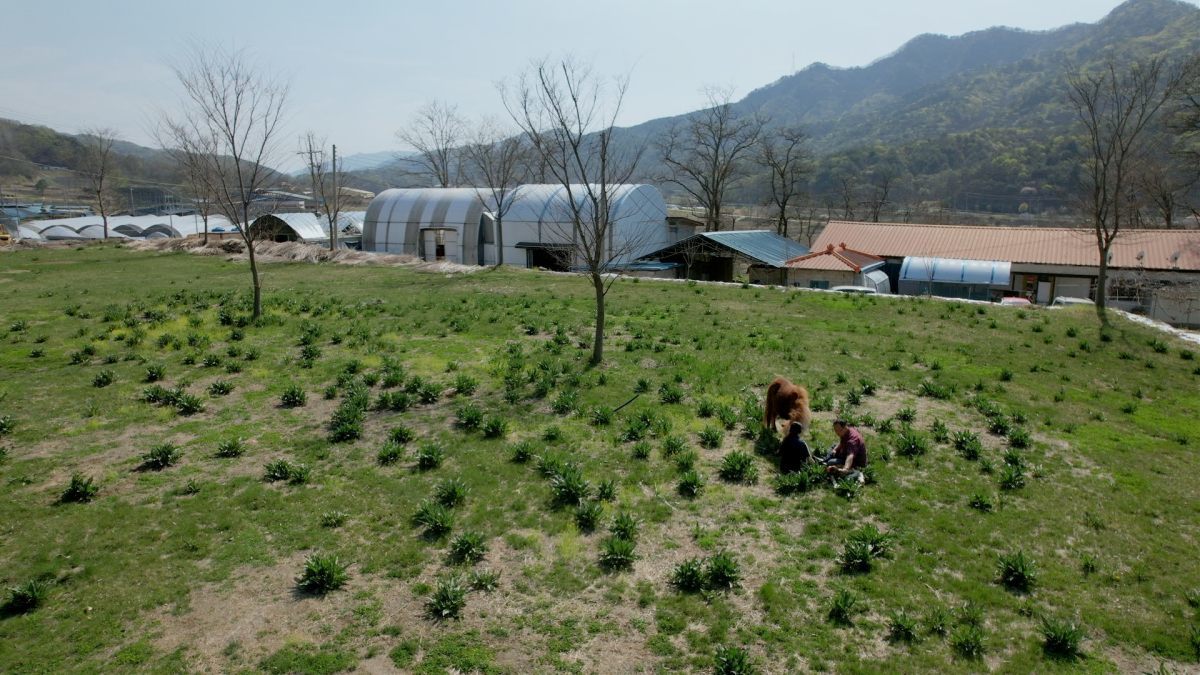
Back home, Min planted walnut trees on an old family burial plot and turned nearby plots into mountain-green beds. His wife gave up a teaching career to join him, and his daughter—who ran a private academy in Seoul before moving back five years ago—now lives with them on Jirisan’s foothills. Even well into his seventies, Min says he still wakes up excited each morning. He begins his day by hiking the mountain to check on the trees and grinds the walnuts he grows for breakfast, rebuilding the health and balance he lost in the city.
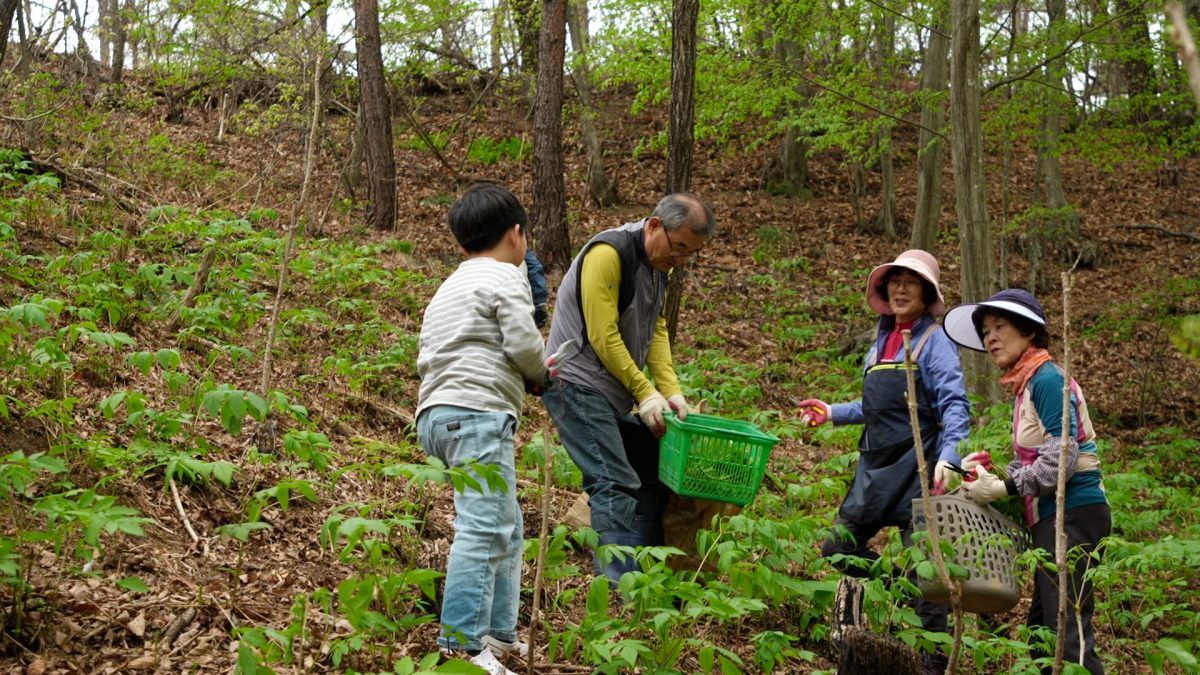
Spring is the season this three-generation household most looks forward to. In early April they head up the mountain to harvest nature’s bounty. The season opens with erythronium, then moves to dureup, angelica-tree shoots and bracken—the delicacies that announce spring. At that time the family becomes a team: relatives come down from Seoul, and the daughter, son-in-law and grandchildren all pitch in to gather bracken together.
After the hard work, the family lays out a fragrant feast. They blanch, fry and season the greens they picked, and the spread quickly takes on the air of a celebration. The meal can begin with pleasantly bitter fried butterbur flowers, move on to crispy, aromatic fried dureup, include vibrantly colored dureup skewers that please the eye, and even feature mountain-green kimbap (rice rolls) made for the grandchildren—bringing a clear, sweet taste of spring to the table.
The three generations living close to nature offer a reminder of something often lost in modern life. By trading urban conveniences for time together at the mountain’s edge and sharing what they grow, the family shows how values beyond material goods can shape a life. Their choice may inspire others to consider a similar way of living.
What beginners must know before harvesting spring mountain greens
When spring foraging increases, the most important task is distinguishing edible plants from poisonous ones. Many mountain plants look alike, and you often can’t tell whether a young shoot is edible just by its appearance. The Rural Development Administration warns that some species resemble each other but differ in edibility—examples include cham-danggwi and jiriganghwal, or doraji (balloon-flower root) and plants that look similar but are unsafe. Jiriganghwal is highly toxic: even a small amount can cause paralysis, convulsions or loss of consciousness. Some look-alike species contain toxins and must not be eaten.
Only harvest mountain greens you can identify with certainty. Assuming a plant is edible because its leaves or scent seem similar to a known species can lead to poisoning. Young spring shoots are especially hard to tell apart. Without roots, stems or flowers to check, novices should avoid harvesting alone because identifying features may be absent.
Legal rules also apply. Mountain greens growing in forests are classified as forest products. Collecting mountain greens, mushrooms or medicinal herbs without the landowner’s permission can be illegal. The Korea Forest Service says it intensifies crackdowns on illegal forest-product harvesting and fire-risk behavior during the spring, when foraging and outdoor activity increase. Harvesting forest products without the owner’s consent can lead to criminal charges and on-the-spot confiscation of the collected items.
Check whether you may enter the area. Spring’s dry weather raises the risk of forest fires. Entering restricted forest zones or cooking, smoking or burning trash inside forests invites enforcement. The Korea Forest Service conducts special operations against behaviors that start fires and applies a zero-tolerance policy to arson.
How you harvest matters, too. Pulling a plant up by its roots often prevents regrowth and harms the surrounding environment. Even edible greens can damage forest ecosystems and local producers when they are gathered indiscriminately. In places where harvesting is allowed, take only what you need and leave young specimens so the population can recover.
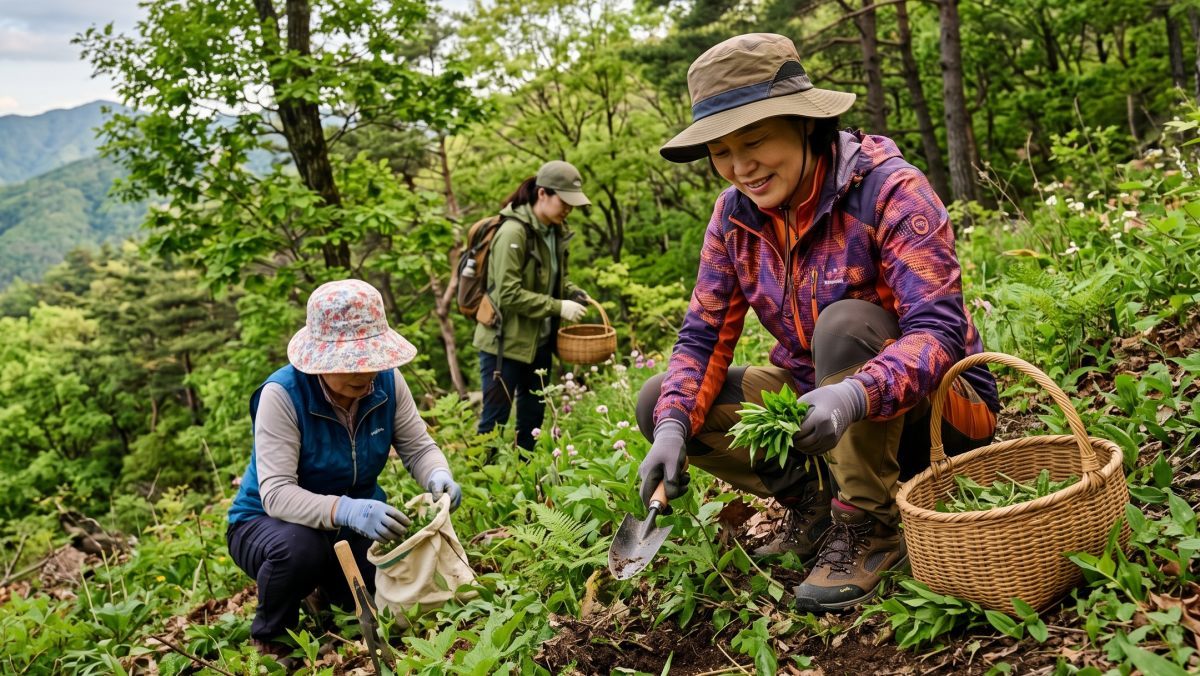
Do not eat harvested greens immediately; remove debris and wash them thoroughly. Some mountain greens require blanching or boiling before they are safe to eat. The Ministry of Food and Drug Safety advises checking Food Safety Korea to confirm whether a raw material is approved for use in food. Selling or using materials that aren’t approved can violate the Food Sanitation Act.
Harvesting spring mountain greens requires attention to plant identification, collection permissions, access rules, fire prevention and proper cleaning before cooking. If you don’t know a plant exactly, don’t pick it. Taking mountain greens without the forest owner’s permission isn’t just a spring outing—it can create legal problems.
Capturing life and landscapes across the country, EBS’s ‘Korean Journey’
EBS1’s Korean Journey, which first aired in August 2009, has become one of the network’s flagship documentary series. The show visits mountains, seas, villages and alleyways across the country to record changing seasonal landscapes, local culture and the daily lives of residents.
The program structures each season around one main theme and broadcasts it across five roughly 30-minute episodes. It presents local lifestyles and sentiments in a calm, observational manner.
Korean Journey favors natural scenes over heavy staging or sensational footage. It captures people in their real-life settings and uses restrained narration to tell straightforward stories about nature, communities and place.
The series covers a wide range of locations: mountain villages, fishing towns, agricultural areas and island communities, as well as urban alleys and everyday settings. Through these visits, it reveals landscapes and lives viewers rarely experience firsthand, highlighting each region’s cultural traits.
Korean Journey currently airs regularly on EBS 1TV and continues to document scenes and lives from across Korea with a new theme and location each week.
The show airs Monday through Friday at 9:35 PM (Korea Standard Time). You can find broadcast information on the EBS1 Korean Journey preview page.















Most Commented