
Jeollanam-do’s Bold Steps: 1,000 Unreported Victims Targeted for Recovery by Year-End
Daniel Kim Views
Translation result.
The CEN News / Reporter Lee Joo-sang | Jeollanam-do is shifting the provincial administration toward a resident-centered approach by simultaneously launching efforts to identify unreported victims of the Yeosu-Suncheon Incident and to strengthen its capacity to handle public grievance complaints.
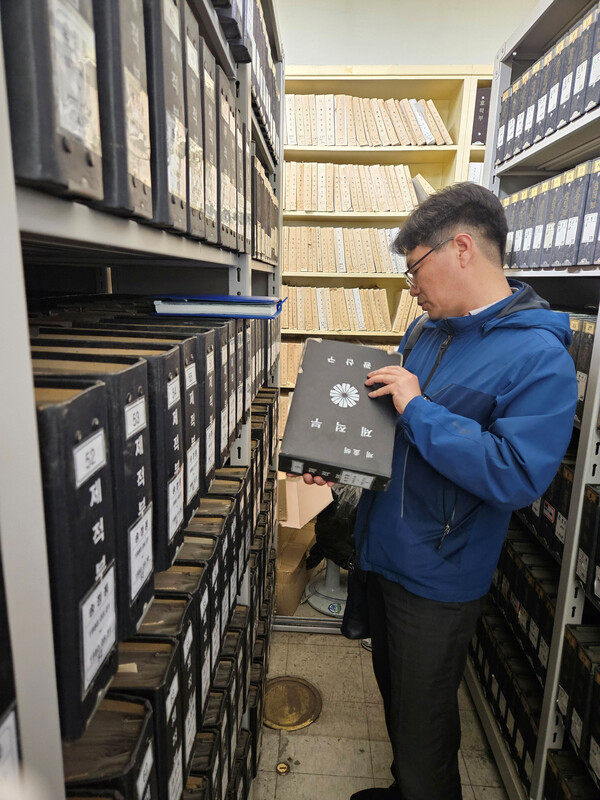
The initiative is meant to build public trust by addressing historical injustices while improving responses to current civil complaints.
Jeollanam-do has launched the Unreported Victims Discovery Project to locate unreported victims of the Yeosu-Suncheon Incident and their families and to help restore their honor.
Through three reporting periods so far, officials have registered 6,868 victims, roughly 30% of the estimated 25,000 victims.
Officials point to severed family ties, the passage of time and social stigma as key reasons many victims never filed reports.
In response, Jeollanam-do has shifted from a passive, application-based approach to proactively seeking out victims.
The administration now conducts a comprehensive review of official records to identify victims and then traces surviving relatives to guide them through honor-restoration procedures.
Investigators are accelerating discoveries by combining research based on 1948 military trial records with a precise verification method. Gwangju’s five district offices and Jeollanam-do’s 22 cities and counties cooperate to check handwritten removals from family registries for matching surnames.
So far, officials have confirmed about 80 previously unreported victims; the goal is to identify roughly 1,000 by year-end.
Jeollanam-do is also strengthening its system for handling public grievances that affect residents’ daily lives.
At a recent capacity-building workshop for officials responsible for grievance handling in Jeju, participants received practical training and shared case studies that can be applied immediately in the field.
Sessions focused on communication techniques, resolving group complaints and strategies for dealing with abusive complainants. The program also included measures to reduce emotional labor.
Although the two policies differ—one aims to heal historical wounds and the other to reduce present-day inconveniences—they share the same objective: improving residents’ quality of life.
\”Uncovering victims fulfills our historical responsibility, and strengthening complaint handling protects residents’ lives,\” a Jeollanam-do official said. \”We will improve both areas together to deliver government services that residents can feel and trust.\”
(The CEN News) Honam Reporting Bureau — Reporter Lee Joo-sang eaglefood@naver.com












Most Commented