
Translation result
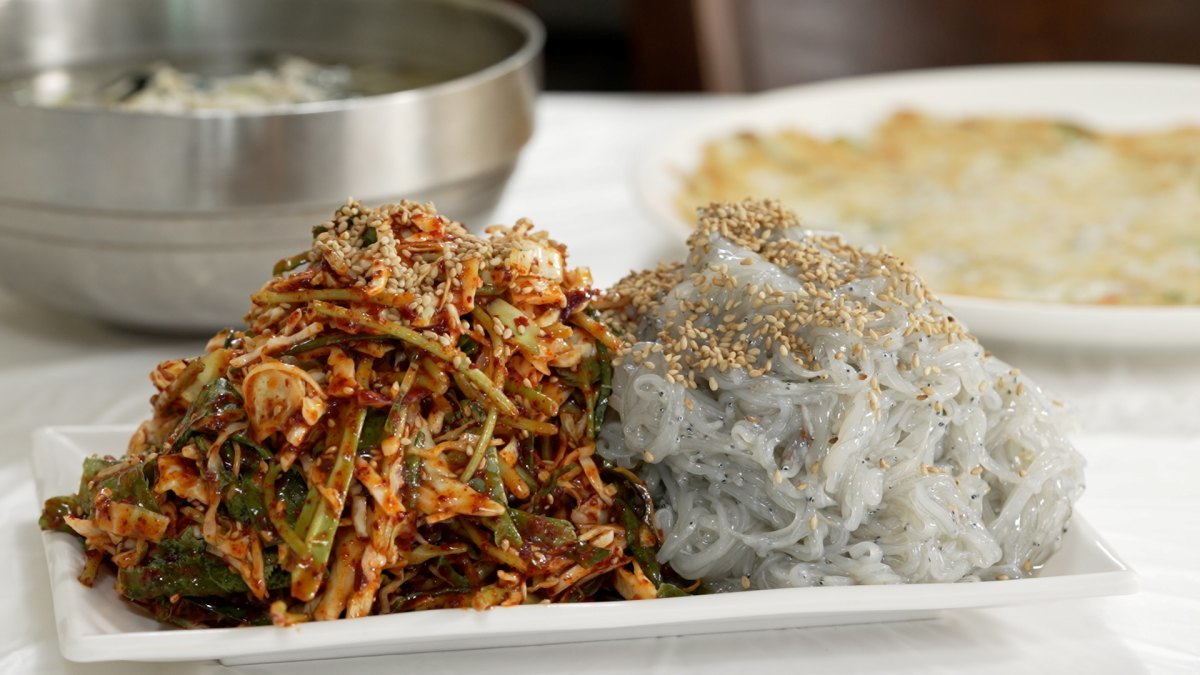
EBS1’s Korean Journey, episode 2 of “Eat It Now or Never,” shines a spotlight on Janggo Port in Dangjin, South Chungcheong Province, and its fleeting spring delicacy: silchi.
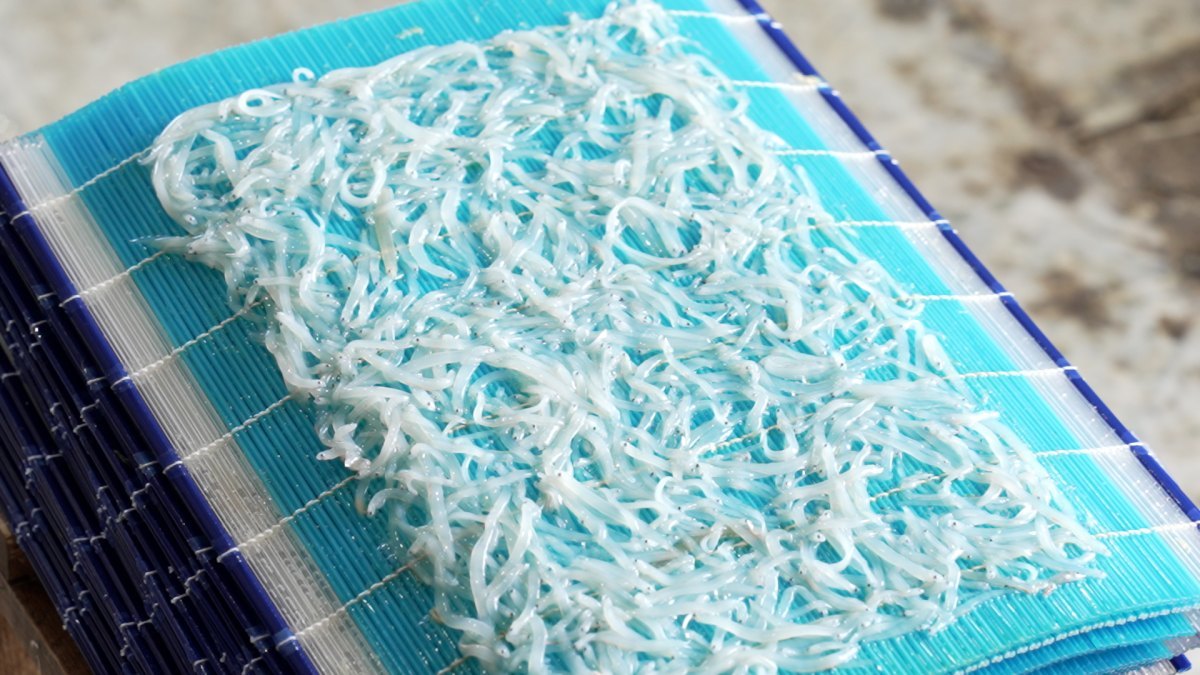
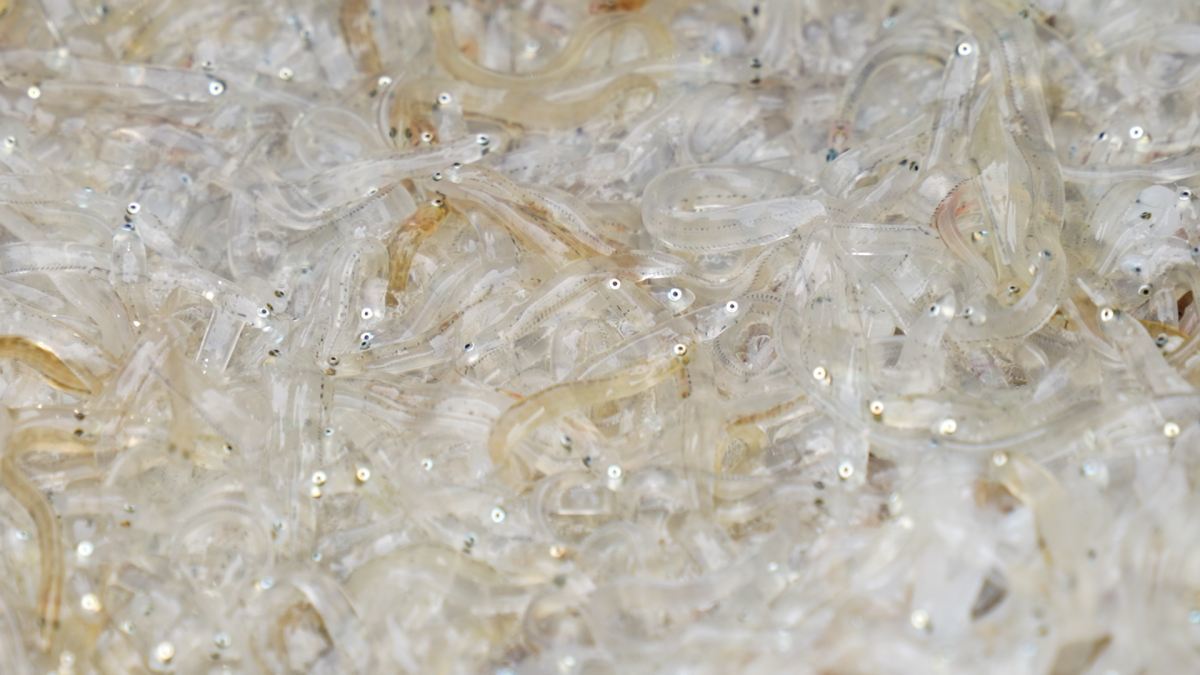
Silchi are the fry of the white anchovy and show up for roughly 70 days each year—from mid-March to mid-May—making them a seriously rare treat. They’re thread-thin and tiny, with a flavor that’s gently sweet and slightly bitter. Because they perish almost immediately once out of the water, you can only enjoy them as fresh sashimi where they’re caught.
The episode follows the people of Janggo Port and the couple Kang Jeong-ui and Lee Yeon-bae, who’ve made their living catching silchi, to explain what the fish means to the town every spring. It also showcases a variety of silchi preparations—silchi sashimi, pan-fried silchi pancakes, silchi doenjang (soybean paste) soup, and bang-eopo (dried silchi)—all capturing the calcium-rich tastes of the season.
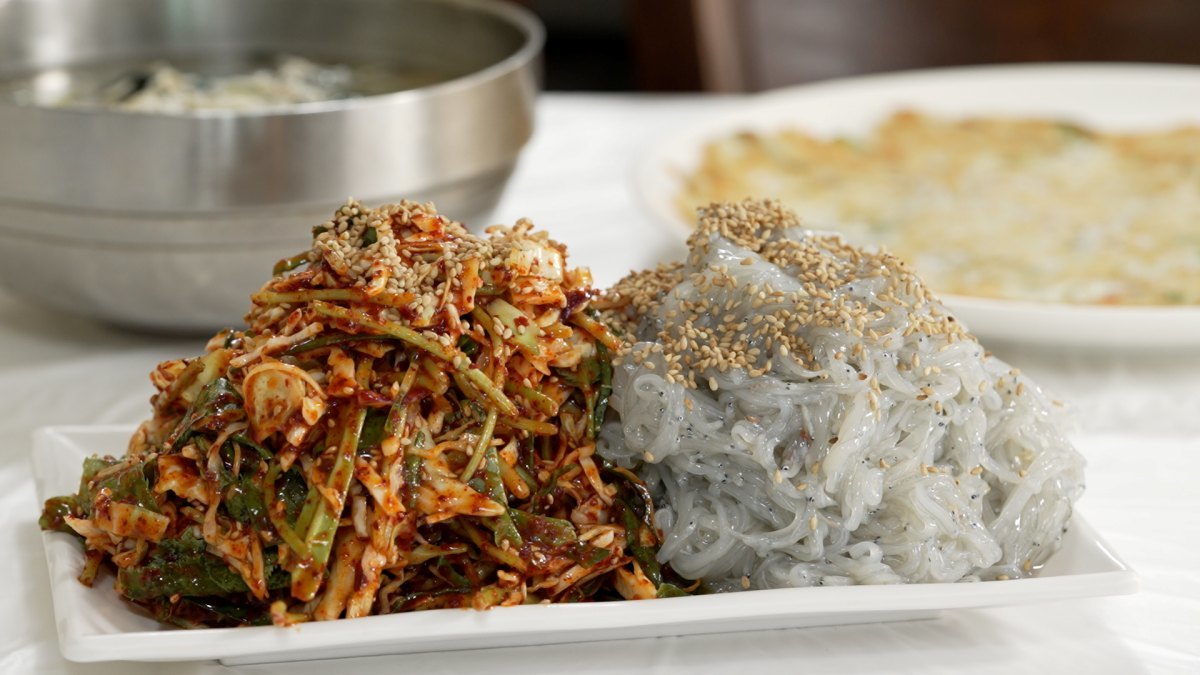
◈ Korean Journey — Eat It Now or Never, Episode 2: Only 70 Days a Year! Silchi
Every spring, food lovers descend on Janggo Port in Dangjin. They’re drawn here by a seasonal delicacy available for just 70 days. From mid-March through mid-May, silchi—this spring-only small anchovy—reaches its peak and turns the port into a short-lived culinary destination.
Silchi are the juveniles of the white anchovy: slender, tiny, and almost thread-like. They may look delicate, but their unique combination of sweetness and subtle bitterness is captivating. Their fragility outside water makes them special—freshness fades almost instantly after harvest, so silchi eaten as sashimi are essentially a local-only experience. Shipping them elsewhere without losing quality is nearly impossible.
For residents of Janggo Port, silchi are more than a seasonal dish; they’re a signal that spring has arrived. Locals organize their lives around the fish’s brief appearance and eagerly await it each year. Kang Jeong-ui and Lee Yeon-bae, who’ve fished silchi for generations, continue the family tradition, preserving recipes passed down through the years.
The couple prepares silchi in countless ways: fresh silchi sashimi, crispy silchi pancakes, a hearty silchi doenjang soup, and bang-eopo—a nostalgic dried snack tied to childhood memories. These dishes highlight silchi as a springtime source of calcium and comfort.
Janggo Port’s silchi culture reaches beyond food trends; it’s woven into everyday life. Those 70 days each year create a unique experience city foodies rarely get, and Janggo Port keeps cementing its reputation as a symbol of seasonal flavor in Dangjin.
◈ Silchi: a spring-only catch and a West Coast seasonal specialty
Silchi refers to young anchovies. In Korea, it mainly means the fry of the Japanese anchovy (Engraulis japonicus) that fishermen haul in along the West Coast each spring. Dangjin’s Janggo Port, plus the Seosan and Taean areas, are well-known silchi-producing regions, with catches concentrated in the short window between March and April. After that, the fish grow into regular anchovies, so the period when they’re sold as silchi is limited.
Silchi are semi-transparent, short, and have barely noticeable bones. Because they lose freshness so quickly after being caught, most are eaten near the fishing grounds. That’s why silchi is considered a seasonal ingredient you need to sample locally to taste at its best.
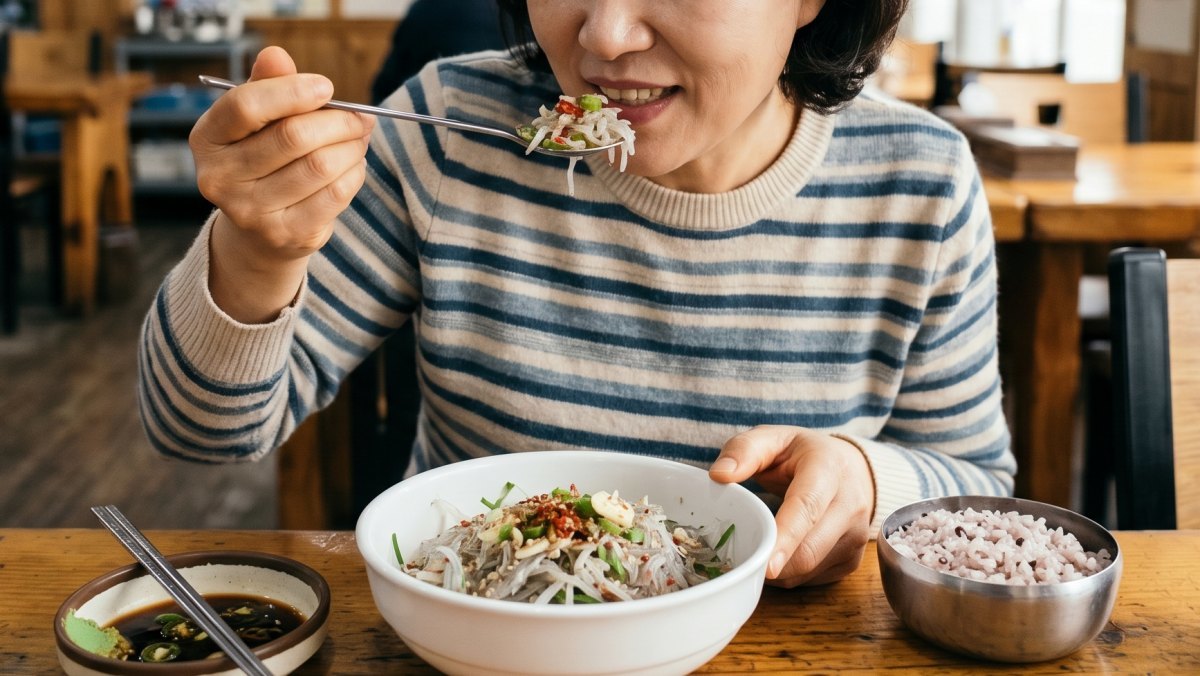
The flavor is clean and subtly sweet, not overly fishy, with a tender texture that melts in your mouth. People commonly toss silchi with vegetables and dressings like gochujang-based spicy vinegar sauce or soy-based sauces, and sometimes they briefly blanch them. When silchi are at peak freshness, they’re so clean-tasting you barely need to cook them.
Silchi provides calcium and protein and ties into local tourism as a spring-only specialty. The short fishing season and rapid turnover have shaped a seasonal culinary culture along the West Coast centered on silchi every spring.
◈ EBS1’s long-running documentary Korean Journey records everyday life and scenery across the country
EBS1’s Korean Journey has aired since August 2009 and remains one of EBS’s flagship documentary series. The program consistently documents the nation’s natural landscapes, regional cultures, and the daily lives of the people who inhabit them.
Korean Journey centers on seasonal scenes and the lives woven through them. Each week the show chooses a theme and explores it across five episodes, each roughly 30 minutes long. The series calmly and thoughtfully depicts different lifestyles and local sentiments from region to region.
Instead of flashy production, the program focuses on preserving the atmosphere of each place. It follows real locations and the people who live there without artificial setups or exaggerated reenactments. The understated narration gently carries the stories of nature and community.
The show covers more than mountain villages, fishing towns, farming communities, and islands. It also explores urban alleys and everyday settings, regularly bringing viewers stories and cultures they rarely get to see.
Korean Journey currently airs regularly on EBS 1TV, introducing the nation’s lives and landscapes each week through new themes and regions.
The program airs Monday through Friday at 9:35 p.m. Check the EBS1 Korean Journey preview page for broadcast details.











Most Commented