
Is Online Purchased Korean Sea Bream Worth It? Expert’s Taste Test Reveals Surprising Results!
Daniel Kim Views
Translation result.
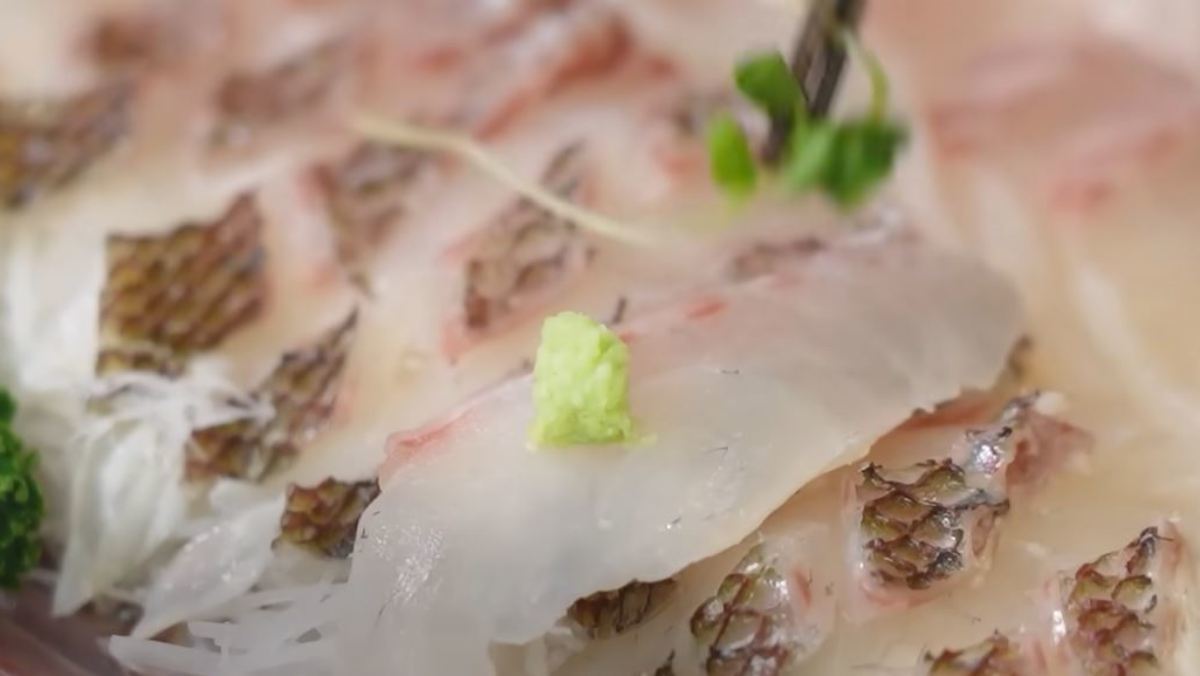
What used to appear on the table only on special occasions now turns up at doorsteps in delivery boxes. We’re talking about red sea bream, affectionately known as the queen of the spring sea.
Once a luxury dining splurge, red sea bream has made its way into home kitchens thanks to advances in farming and expanded online distribution. Shoppers are especially curious whether a domestically farmed red sea bream bought online for 50,000 KRW (≈ $37.50 USD) can actually deliver on taste and quality.
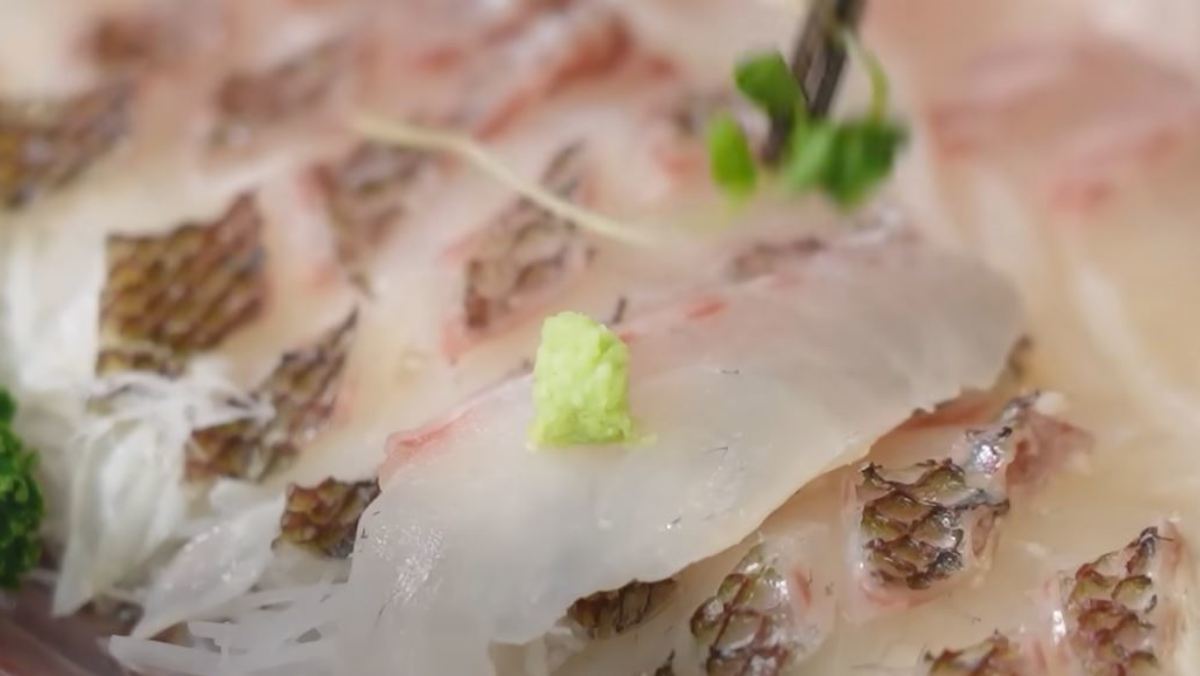
On his YouTube channel ‘Ipjil’s Memories TV jiminTV’, seafood expert Kim Ji-min filleted and tasted a domestically farmed red sea bream bought online for about 50,000 KRW (≈ $37.50 USD). With this fish once seen as the epitome of high-end sashimi, viewers were keen to see how it stacked up on price and quality — and the expert’s tasting delivered a surprising twist.
Red sea bream gaining edge on price

Red sea bream used to be the pricey treat dads bought on payday, but as it’s become more mainstream, its price now sits closer to that of flounder. The Tongyeong-farmed red sea bream featured in the video sold for 49,900 KRW (≈ $37.43 USD) after gutting, scaling, and blood removal. For a 2 kg whole fish, that’s about 25,000 KRW per kg (≈ $18.75 USD/kg; ≈ $8.50 USD/lb). With farmed flounder prices lately climbing to roughly 40,000–50,000 KRW per kg (≈ $30.00–$37.50 USD/kg), red sea bream looks increasingly competitive on price.
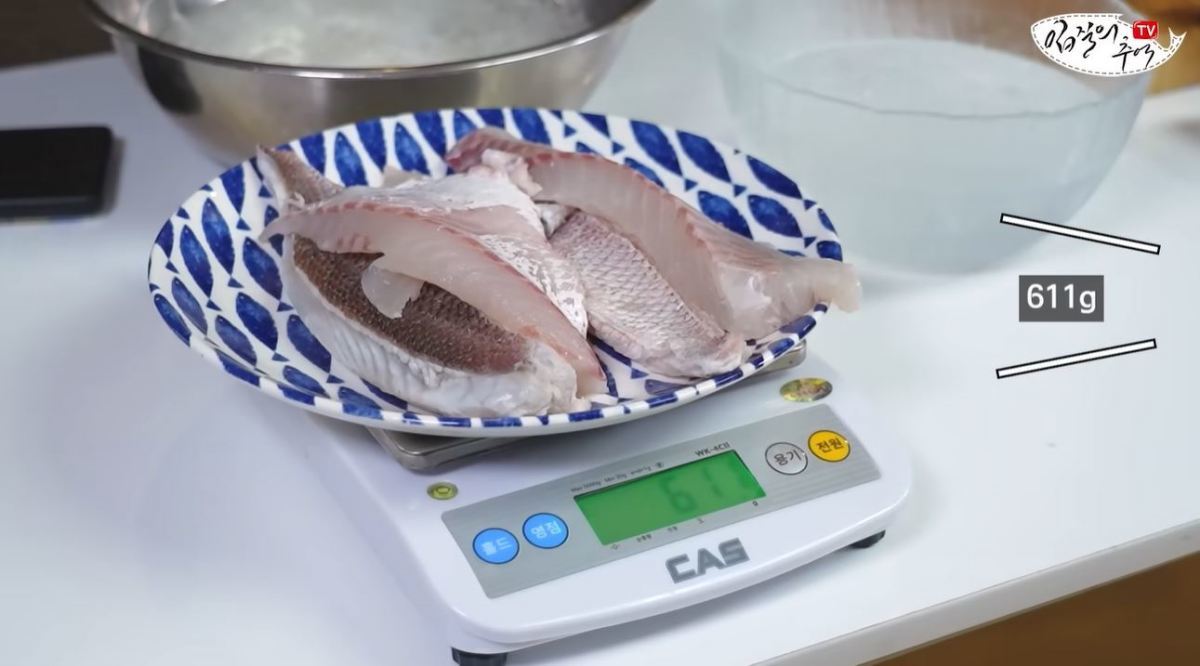
Because red sea bream have large heads and sturdy bones, the edible yield is somewhat low — around 33–35% — compared with other species. Still, buying the whole fish means you can turn the head and neck into salt-grilled treats or a spicy braise, so nothing goes to waste. The fish is at its best from November through April; after May, when it spawns, wild red sea bream can be cheaper than farmed ones, though it typically carries less fat and richness.
Shipping can actually deepen flavor
Ordering red sea bream online can increase its value as an aged sashimi offering. This species relies more on umami and sweetness than on chewiness, so about a day of natural aging during shipping can deepen its flavor. In the tasting, the farmed April fish showed the season’s characteristic fattiness and sweet umami; when dipped in soy sauce, oil even rose to the surface — a sign of rich flavor. Many assume market-bought sashimi ordered online will lack freshness, but this tasting turned that expectation on its head.
Domestic farmed red sea bream: quality and competitiveness
Domestic farmed red sea bream has come a long way. Where Korean-farmed fish were once seen as darker and inferior to imports, recent technical advances have restored that bright red hue while maintaining excellent size and firm texture. Compared with large Japanese sea bream that trade at about 35,000–40,000 KRW per kg (≈ $26.25–$30.00 USD/kg), domestic red sea bream now holds solid ground on both price and quality.
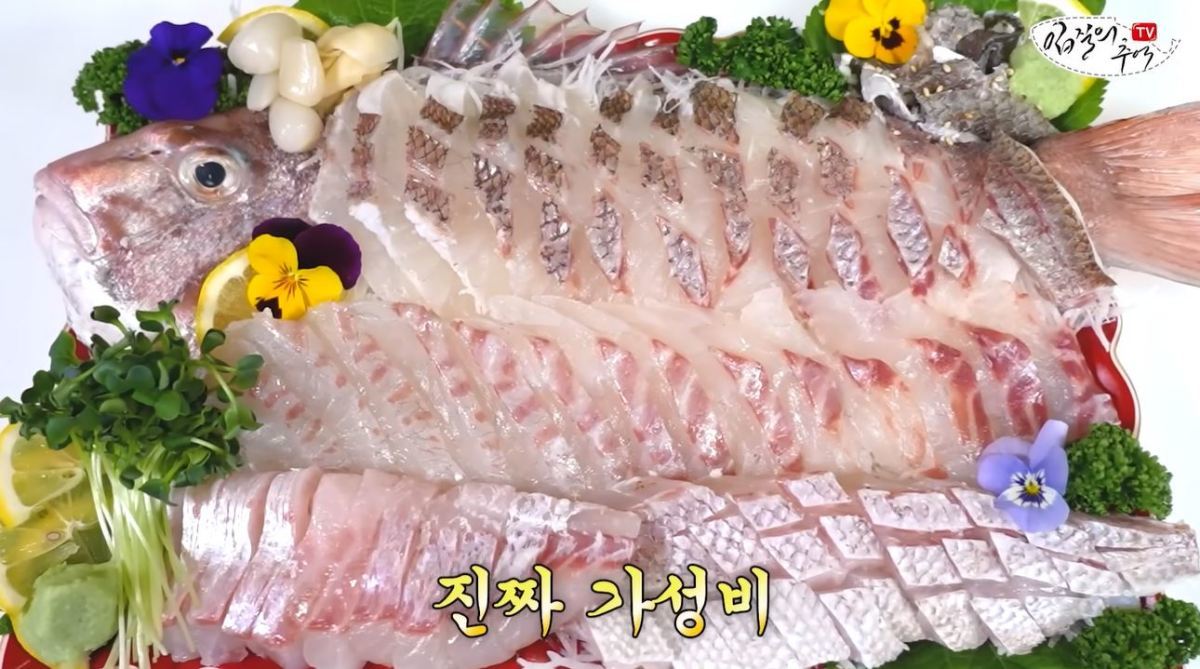
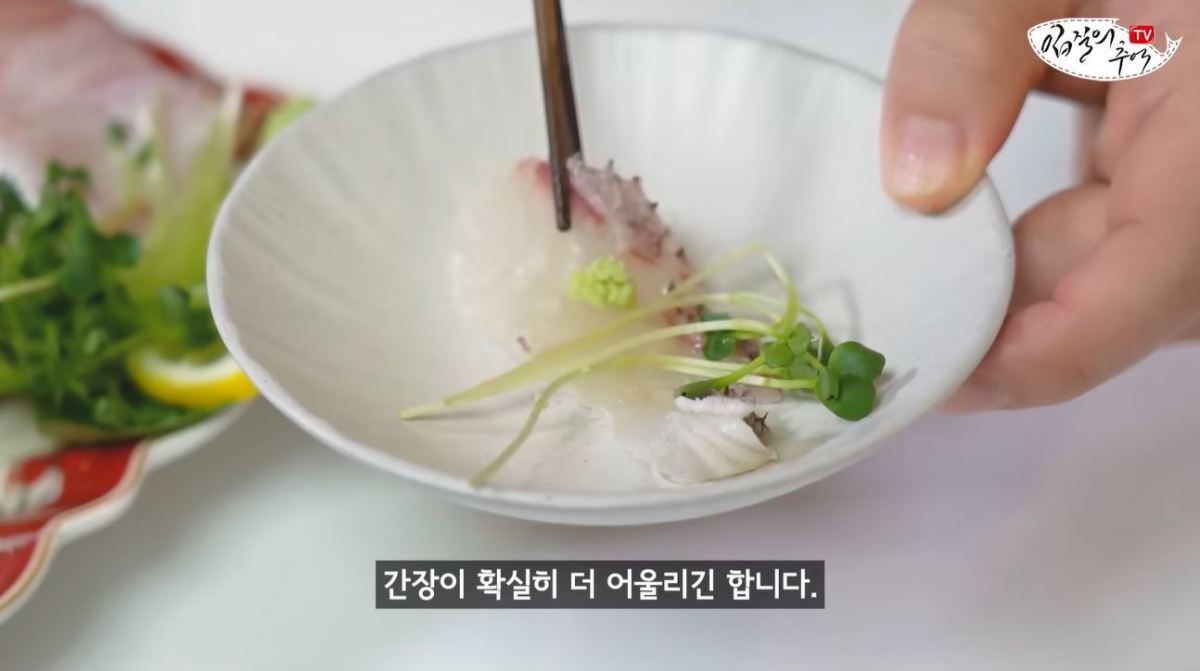
Texture varies clearly by cut. The back and belly near the head are fattier and deliver a tender, nutty mouthfeel, while the tail yields a firmer, chewier bite. Briefly blanching the skin with hot water using the masukawa method adds even more texture contrast. Save the remaining napes and head: simmer them with radish, onion and chiles in a sauce of soy, fish sauce, ginger and garlic for an excellent rice-side dish.

If filleting feels like too much work, buying pre-filleted loins is a smart option. Domestic farmed red sea bream is a reliable, year-round ingredient with consistent flavor.
Why aged sashimi tastes better: the science of time
Aged sashimi — where fish rests for a set time before serving — is grounded in science, not just preference. Unlike live sashimi eaten right after catching, aged sashimi undergoes changes in texture and flavor during refrigerated storage.
After a fish moves past rigor mortis, enzymes in the muscle break down proteins. That process raises umami compounds like inosinate (IMP). Japanese fisheries research has shown inosinate levels climb during aging, boosting savoriness; because these levels eventually decline, there’s an optimal window for consumption.
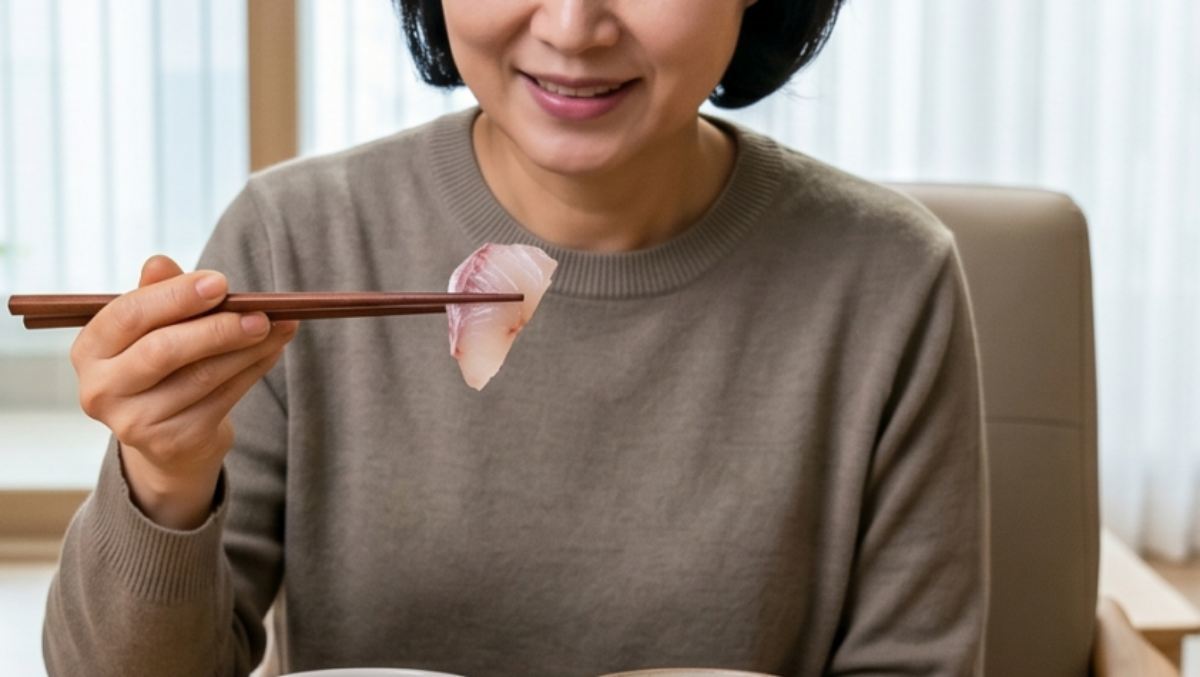
Aging also softens texture. As rigor releases, muscle fibers relax and the meat becomes more tender. Unlike the firm, elastic bite of live sashimi, aged sashimi feels softer as the tissue loosens.
Moisture changes affect flavor too. During aging, some surface moisture evaporates and tissues condense, which can make flavors seem more concentrated — similar to dry-aging meat.
Not all fish respond the same to aging. Species with higher fat content and firmer flesh tend to improve more with aging. And without strict hygiene and cold-chain control, quality can decline and the risk of foodborne illness rises, so careful handling is essential.
Five checks before eating sashimi: basic rules to prevent food poisoning
Because sashimi is eaten raw, hygiene and storage determine safety. The Ministry of Food and Drug Safety and the Korea Disease Control and Prevention Agency recommend several basic precautions when consuming raw fish.
First, check freshness. Clear eyes, bright red gills, and a mild aroma (not a strong fishy smell) indicate freshness. For pre-sliced sashimi, cloudy color or excess slime can signal spoilage.
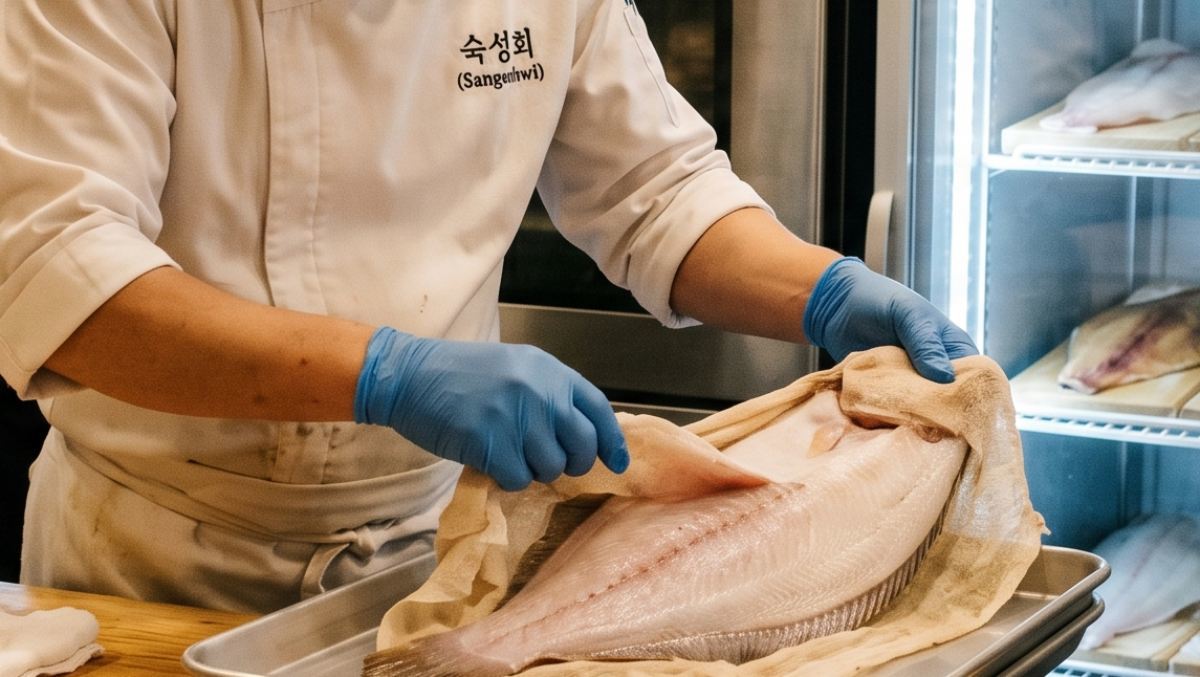
Storage temperature matters. Keep sashimi refrigerated at 0–5°C (32–41°F) to inhibit bacterial growth. Leaving it at room temperature for long periods allows bacteria like Vibrio parahaemolyticus to multiply quickly, so eat it right away or refrigerate it promptly.
Preventing parasite infection is also crucial. Marine fish can carry Anisakis larvae; prevent infection by freezing at or below -20°C (≤ -4°F) for at least 24 hours or by removing guts quickly after catch. Visible larvae should be removed before eating.
Avoid cross-contamination. Using the same knives and cutting boards for raw fish and other foods can spread bacteria. Keep utensils for sashimi separate from those used for vegetables and fruits.
High-risk groups should be extra cautious. Older adults, pregnant people, and those with chronic illnesses or weakened immune systems face higher risks from raw foods and should choose cooked options when possible.
Sashimi’s safety hinges on freshness and strict hygiene — following these basics is the best way to prevent foodborne illness.












Most Commented