
The Decline of Traditional Bathhouses in Korea: What’s Next for the Iconic ‘♨’ Symbol?
Daniel Kim Views
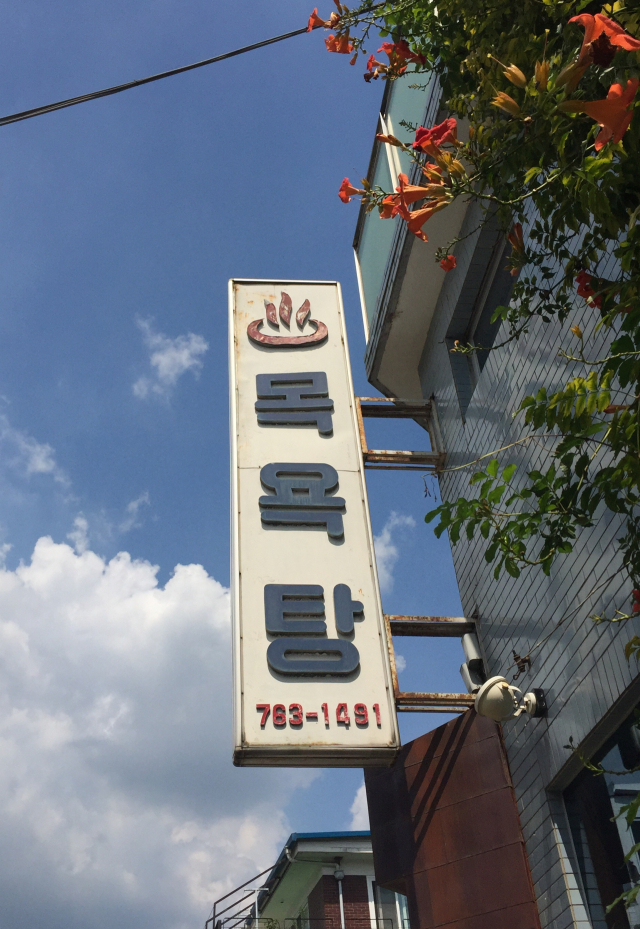

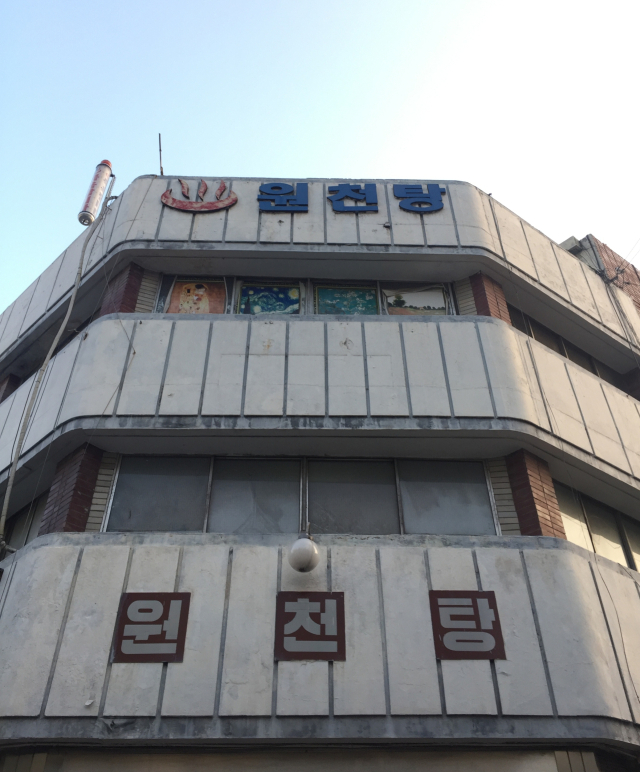
For decades, the largest building on the neighborhood alley was the public bathhouse. Bathhouses required at least two separate floors for women’s and men’s sections, and they often added stories when they also offered lodging. Their boilers vented steam through tall chimneys, making them the biggest businesses on the block and turning them into familiar local landmarks.
◆Neighborhood landmark bathhouses are vanishing
Bathhouses have fallen out of favor. When hot water was scarce and many homes lacked bathing facilities, families routinely went out together to bathe on weekends. As private bathrooms became standard, that habit faded. Except for large saunas and jjimjilbangs (Korean sauna-spas) that grew into destination businesses, small neighborhood bathhouses have been closing their doors.
Local government licensing data show that as of January 2026, 236 bathhouses were operating in Daegu. A total of 606 have shut down over the years. In North Gyeongsang Province, 457 bathhouses remain in operation while cumulative closures have reached 571.
They survived periodic oil-price shocks, but the COVID-19 pandemic from 2020 to 2022 accelerated closures through public-health restrictions, and longer-term social shifts deepened the decline. The Ministry of the Interior and Safety reports that 960 bathhouses nationwide closed during those three pandemic years.
◆Revival attempts… ♨ fades into history
The disappearance of bathhouses underscores the broader challenge of local decline. Older residents, in particular, struggle when their neighborhoods lose even a single nearby bathhouse. In response, some local governments in Gangwon Province have stepped in to open municipal bathhouses. When Cheoram Bath—the only bathhouse in the mining village of Cheoram in Taebaek—shut down, residents began boarding buses into Taebaek city with their wash baskets to bathe. The city of Taebaek moved to build a public bathhouse.
In Seoul, municipal companion bathhouses operate to improve access for vulnerable populations. These facilities provide bathing services and also serve as places of refuge during extreme cold or heat.
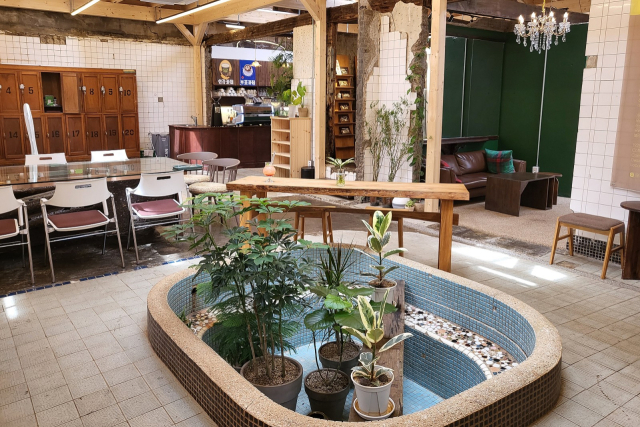
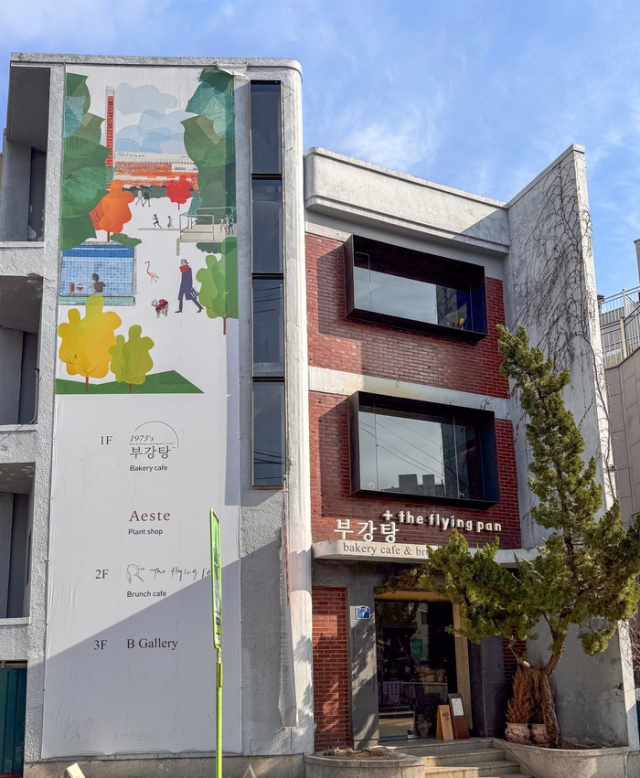
Meanwhile, some shuttered bathhouses are getting new life as cafes, bars and exhibition spaces. Riding the wave of urban renewal and the “newtro” trend—a blend of new and retro—developers are reusing large interiors and distinctive features like pools and tilework. In that way, buildings that once linked grandmothers, mothers and granddaughters now connect generations in a different way.

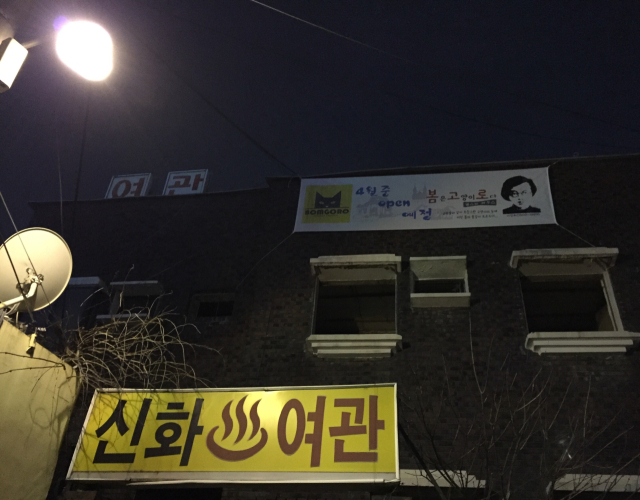
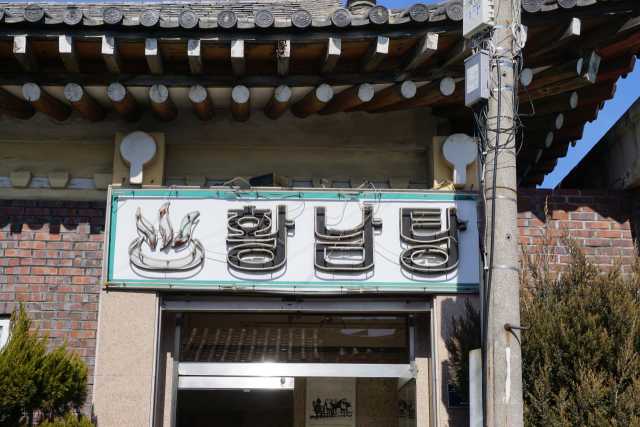
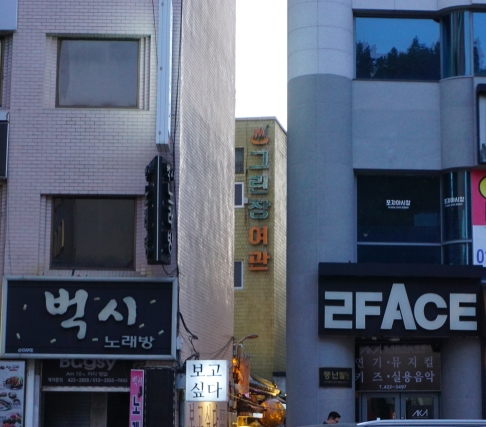
One sight that has become rare amid these changes is the ♨ symbol that used to mark bathhouses, inns and guesthouses. In March 2008, the Ministry of the Interior and Safety revised enforcement rules under the Hot Springs Act, replacing the logo that had been used for more than a century since the Japanese colonial period with a new emblem. Only licensed hot springs may use the new symbol.
Authorities did not apply the change retroactively to force removal of old signs. That is why you can still spot the vintage ♨ icon tucked away in alleys.












Most Commented