
Discover the Health Benefits of Doraji: Your Ultimate Guide to Cooking with This Powerful Root
Daniel Kim Views
Translation result.
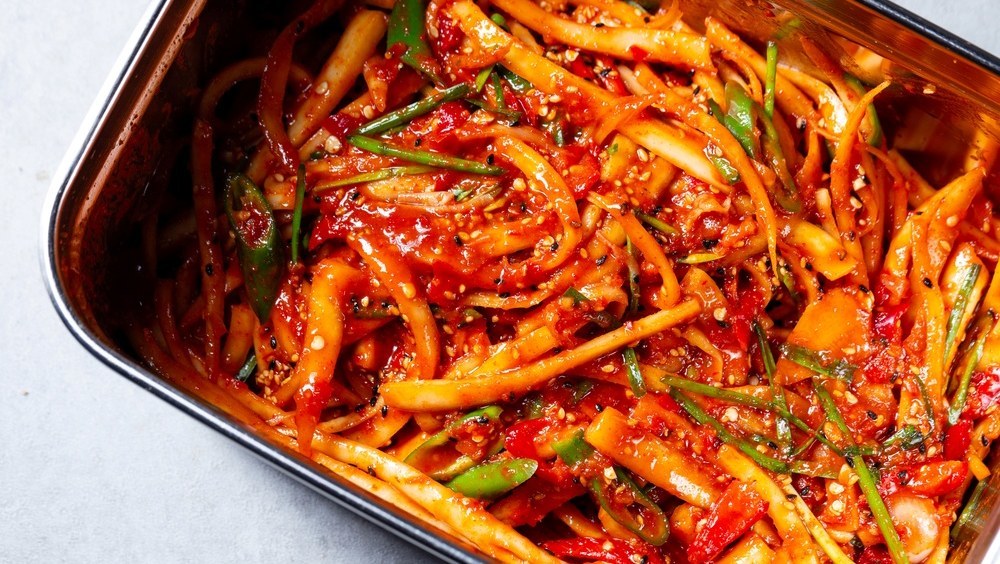
When spring and fall hit and respiratory worries rise, people often reach for doraji—the bellflower root—for relief.
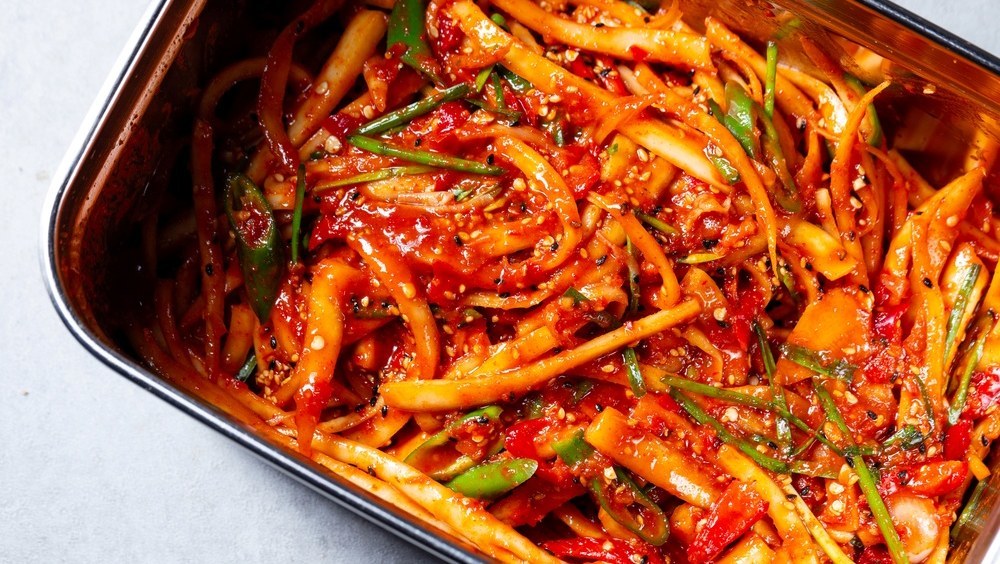
For generations, Koreans have treated doraji not as a simple green but as a prized ingredient that restores and strengthens the body. Its sharp, bitter edge intimidates some home cooks, but tame that bitterness and doraji becomes a delicious side dish even kids will eat—and a reliable ally during seasonal transitions. From choosing roots still dusted in soil to mastering bitterness-busting tricks, a little care can elevate your whole meal.
Doraji’s valuable compounds that protect the airways
Doraji owes much of its health reputation to saponins. These compounds help keep airway linings moist and loosen phlegm, which is why people reach for doraji when fine dust levels spike or their throat feels scratchy. Nutrients are especially concentrated in the skin, so cook with the skin on when you can; if the bitterness is too strong, peel selectively.
It’s also high in fiber and supplies calcium and iron. Doraji cools internal heat and calms inflammation, making it useful at the first sign of a cold. In a season when boosting immunity matters, doraji is an affordable, effective option. It clears the lungs and airways, so it’s a favorite for people who use their voices a lot—singers, teachers, and broadcasters alike.
The salt-and-sugar trick that banishes astringency
Before cooking, the first challenge is removing doraji’s bitterness. Peel the root, tear or cut it into bite-sized pieces, then lay it in a wide bowl and sprinkle generously with coarse salt. The secret is to add a little sugar, too: salt draws out bitter juices while sugar fills in the gap and softens the flavor.
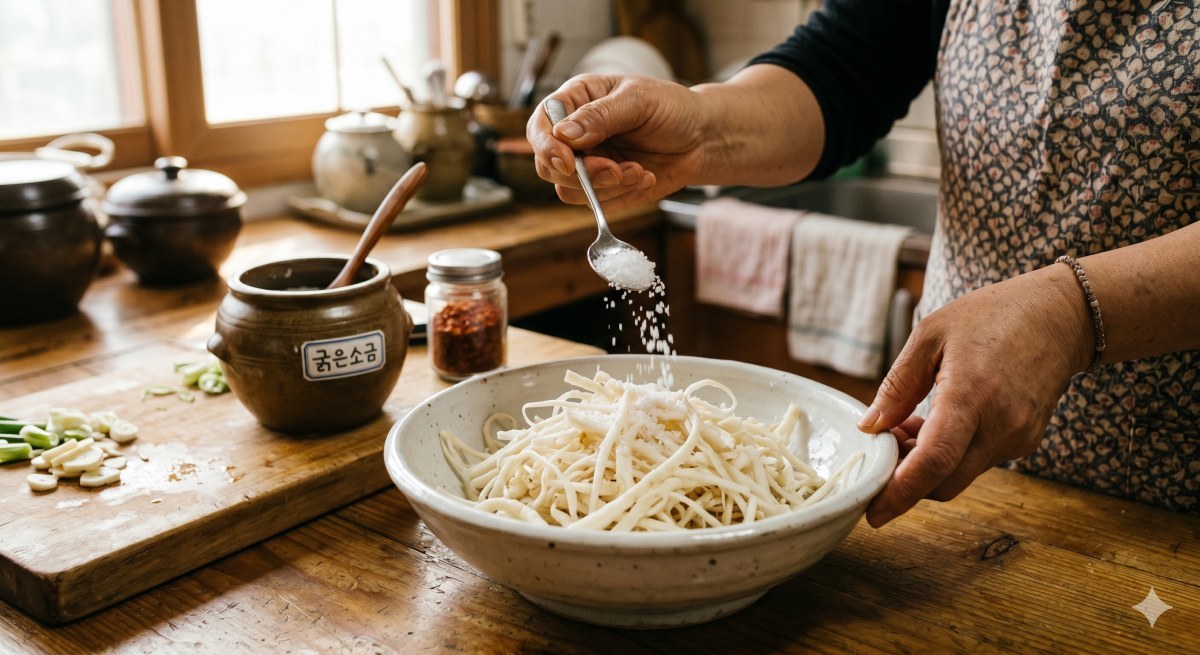
Rub the salted-and-sugared doraji firmly by hand. You’ll notice foam form and the roots wilt as they release liquid. After massaging for 5–10 minutes, rinse thoroughly in cold water. If bitterness lingers, soak the roots in sugar water for about 20 minutes—this handles most of the remaining astringency. But don’t overdo it, or you’ll lose doraji’s natural aroma.
A drop of vinegar for a crisper bite
Want extra crunch? Try vinegar. In the final rinse, briefly soak the doraji in water with a drop or two of vinegar, then drain. The acid firms up the tissue and prevents browning, so your dish keeps a bright, clean color after cooking.
When stir-frying, remove all moisture—any lingering water makes the texture soggy and dulls the flavor. Squeeze the roots dry by hand or pat them with a towel before frying so doraji’s signature chewiness shines. The same rule applies for seasoned salads: eliminate surface moisture so the dressing soaks in evenly.
Sweet-and-tangy seasoned doraji to whet the appetite
When your appetite is low, a zesty doraji salad can do wonders. Pair de-bittered doraji with cucumber or shredded dried squid (jinmichae) for extra texture. Whisk together gochujang, gochugaru, soy sauce, minced garlic, vinegar, and maesil-cheong (plum syrup) for the dressing. Let it rest so the chili powder hydrates—this deepens color and flavor.
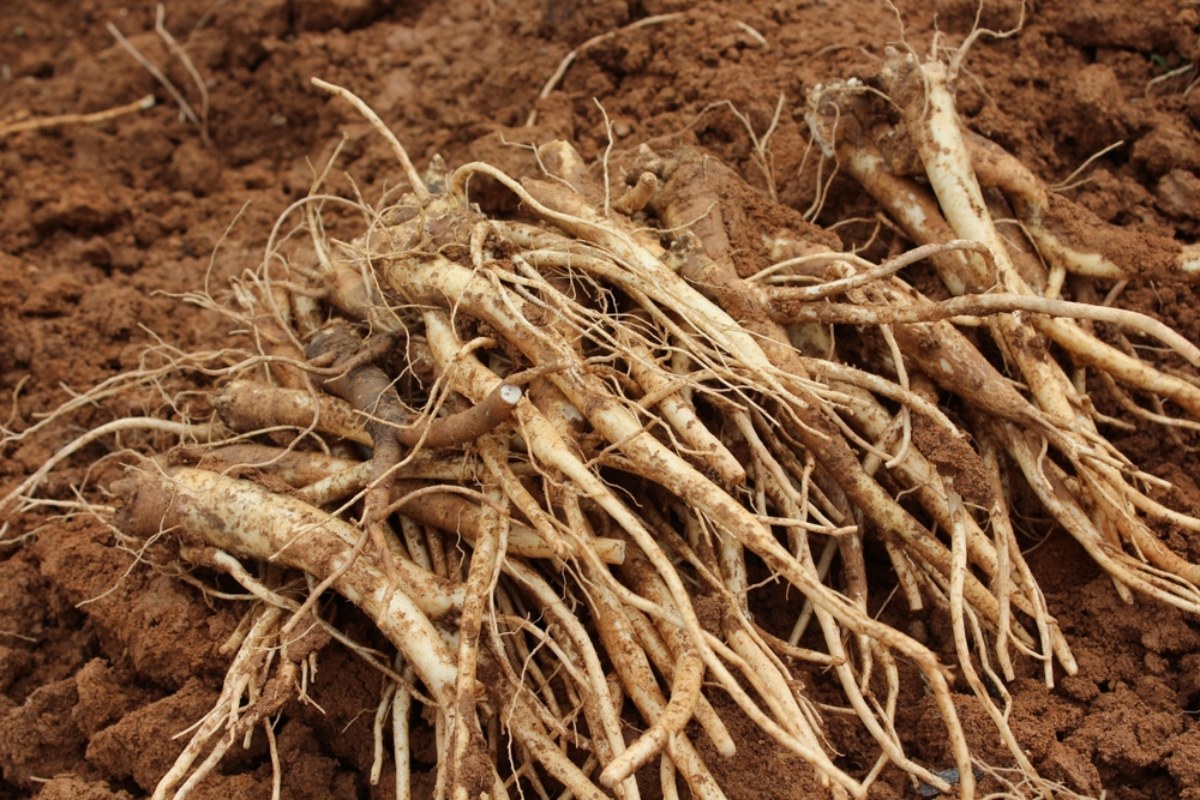
Toss the prepared doraji gently with the dressing. Finish with a drizzle of sesame oil and a sprinkle of whole sesame seeds for a warm, nutty scent. You can eat doraji-muchim right away, but letting it rest in the fridge for an hour or two lets flavors penetrate and improves the taste. The crunchy root and tangy dressing make rice disappear fast.
Savory doraji greens sautéed in perilla oil
Doraji namul—common on ancestral tables and in bibimbap—offers a toasty, savory profile. Add the de-bittered roots to a pan with plenty of perilla oil, which pairs beautifully with doraji and amplifies its aroma. Sauté over medium heat, then add chopped green onion and garlic; season with salt.
Add two to three spoonfuls of kelp stock and cover briefly to let the doraji cook gently. Don’t overcook—stop while there’s still a slight crunch. Stir in a generous spoonful of roasted perilla seed powder at the end for a lightly saucy, deeply nutty finish. Mild and soothing, it’s perfect for kids and older adults.
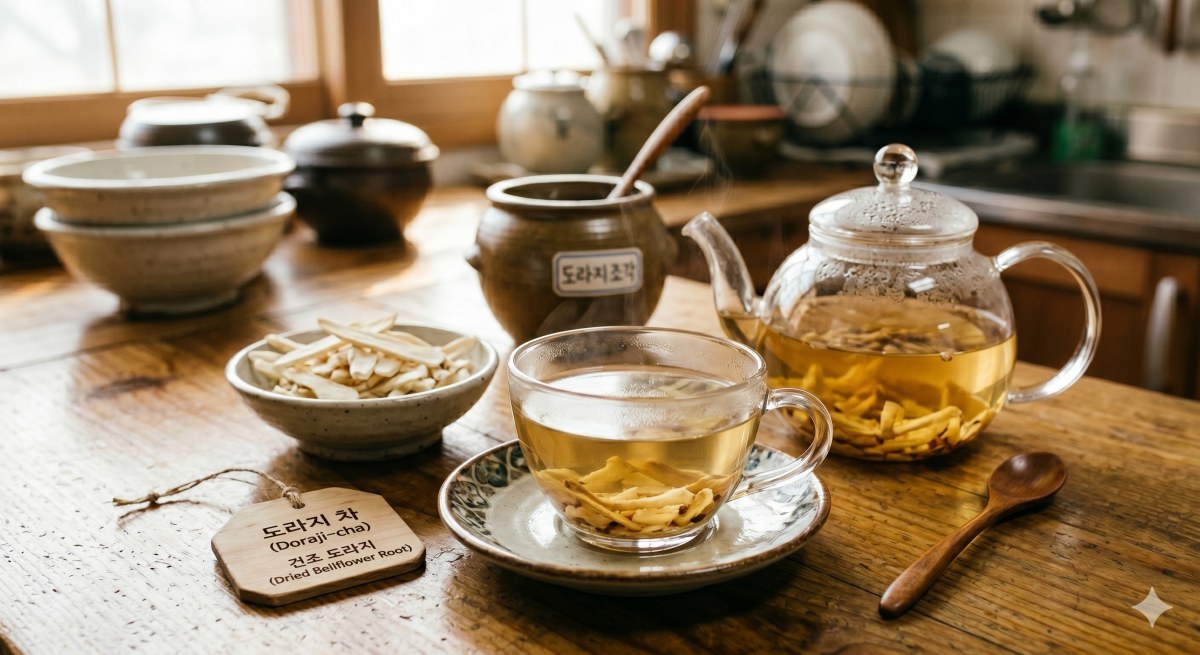
Doraji also makes a comforting tea. Simmer clean, dried doraji in water to support your airways. Pure doraji tea can be bitter, so add pear or dried jujube (daechu) to balance the flavor; pear’s sweetness softens the bitterness and complements the nutrition.
Slicing doraji thin and marinating it in sugar or honey creates doraji syrup. After about a week, the liquid clarifies—mix it with hot water for a soothing tea. A warm cup can calm a swollen throat or persistent cough better than many remedies. You can also candy doraji as a sweet snack, an easy way to enjoy it regularly.
How to choose and store good doraji
Great dishes start with great roots. Doraji sold with soil still attached is usually fresher. Look for thinner skin and lots of fine roots—signs of better nutrition. Choose firm roots with even thickness for easier prep. Domestic roots tend to have a stronger aroma and release more sweetness as you chew than imported ones.
If you have leftover prepared doraji, remove excess moisture and store it in a plastic bag in the fridge. Eat within three days if possible; to keep it longer, blanch briefly and freeze. Dried doraji keeps well in a cool, ventilated spot. For dirt-covered roots, wrap them in newspaper and store in a cool, shady place to maintain freshness for about a week.
Doraji loved year-round
Doraji is available year-round, but it shines during seasonal shifts. In spring, when fine dust and yellow dust are common, it helps clear the airways; in winter, it helps maintain body warmth. Because it reveals its best flavor only after careful prep, doraji embodies a culinary appreciation for patience.
Why not add a plate of crispy doraji fritters or a fragrant serving of seasoned doraji to tonight’s table?











Most Commented