
Everyday life is full of small annoyances. We’ve all wrestled with sticky streaks from a kitchen oil bottle or opened a suitcase to find a shattered powder compact.
In those moments, you don’t need a specialized tool — just a single cotton pad from your vanity. Its soft texture and remarkable absorbency make it an ideal partner for tending to everything from household appliances to the insides of shoes.
No technical manual, no expensive gadget—just pull a pad, dampen it if needed, or slip it into place.
The tips that follow are so simple and effective you’ll wonder why you didn’t try them sooner. They turn tedious chores into small wins and work for everyone, from solo renters to large families. These inexpensive cotton-pad solutions can improve daily life; try them in the small trouble spots around your home.
Turn it into a natural diffuser!
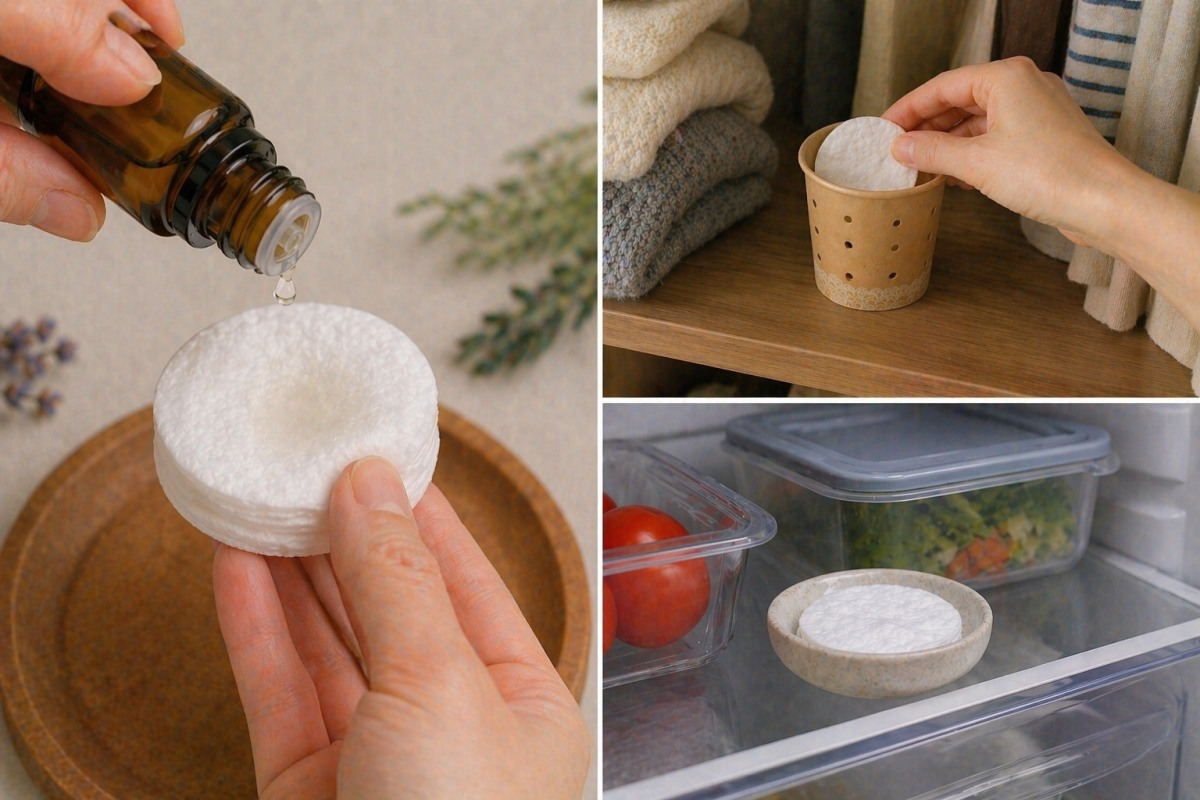
Cotton pads have densely woven fibers that absorb liquid and release it slowly, so they make excellent custom mini air fresheners.
Saturate two or three pads with your favorite essential oil or perfume. Place them in a small paper cup or a box with holes and tuck them into a closet, the corner of a shoe cabinet, or beside your bed. The scent will linger gently for about a week—especially handy for extending a perfume’s lingering notes.
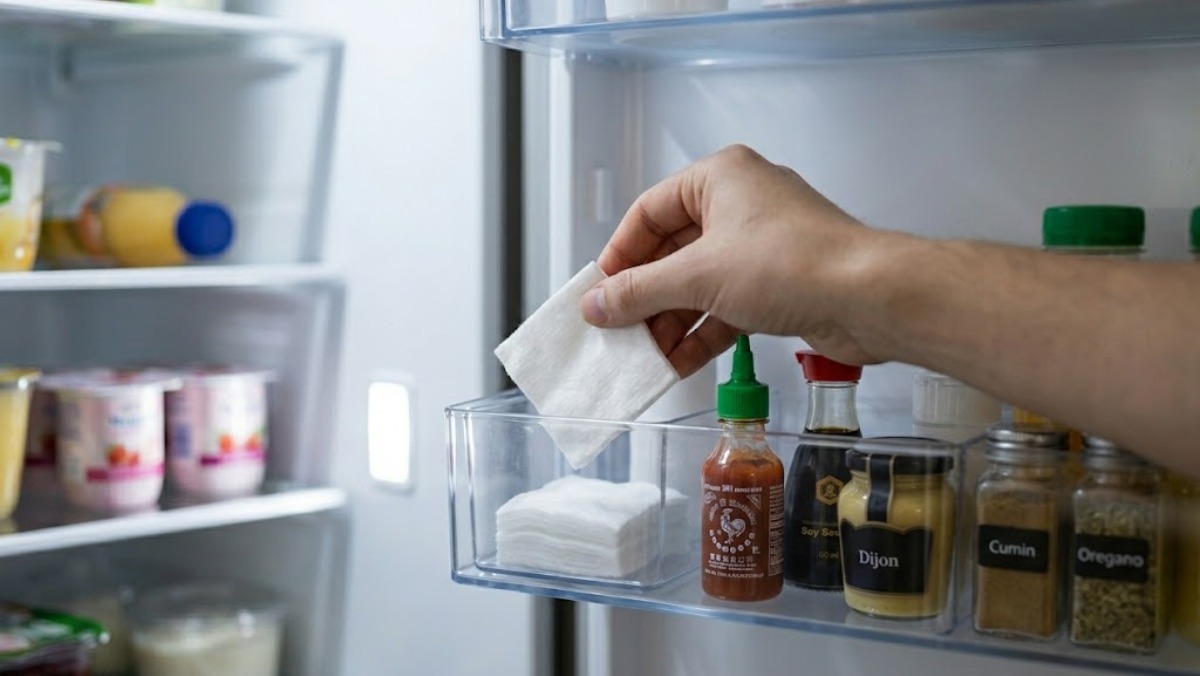
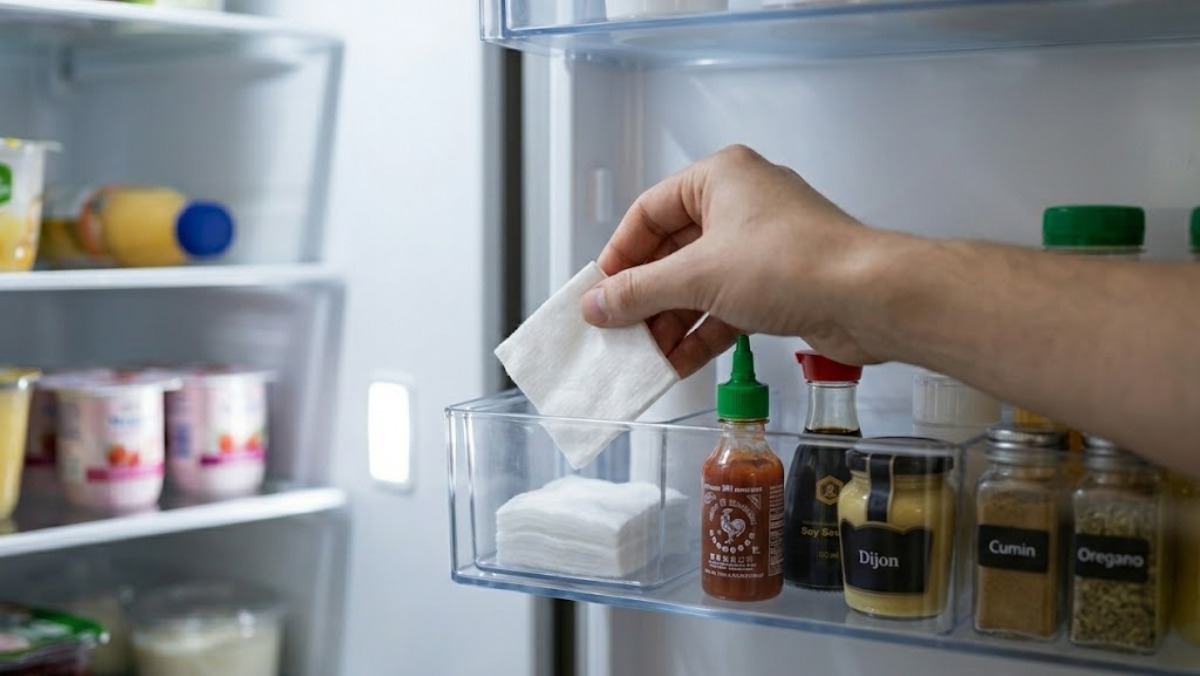
Pads also help neutralize fridge and trash odors. A pad soaked in ethanol (or a household vinegar solution) acts as a strong deodorizer: set one in a fridge corner to capture kimchi or fish smells, or line the bottom of a trash can to keep food-waste odors from escaping.
You can use them to deodorize and disinfect drains as well. Soak a pad with bleach or a designated cleaner and place it around a sink or bathroom drain; because the liquid stays in contact with the surface, it kills germs and blocks unpleasant smells at their source.
Inside the fridge, a pad can serve as a moisture-control liner for seasoning jars. Stick a dry pad inside the lid of powdery seasonings like salt or sugar to absorb tiny amounts of moisture and dramatically reduce clumping.
Care for electronics and accessories with cotton pads!
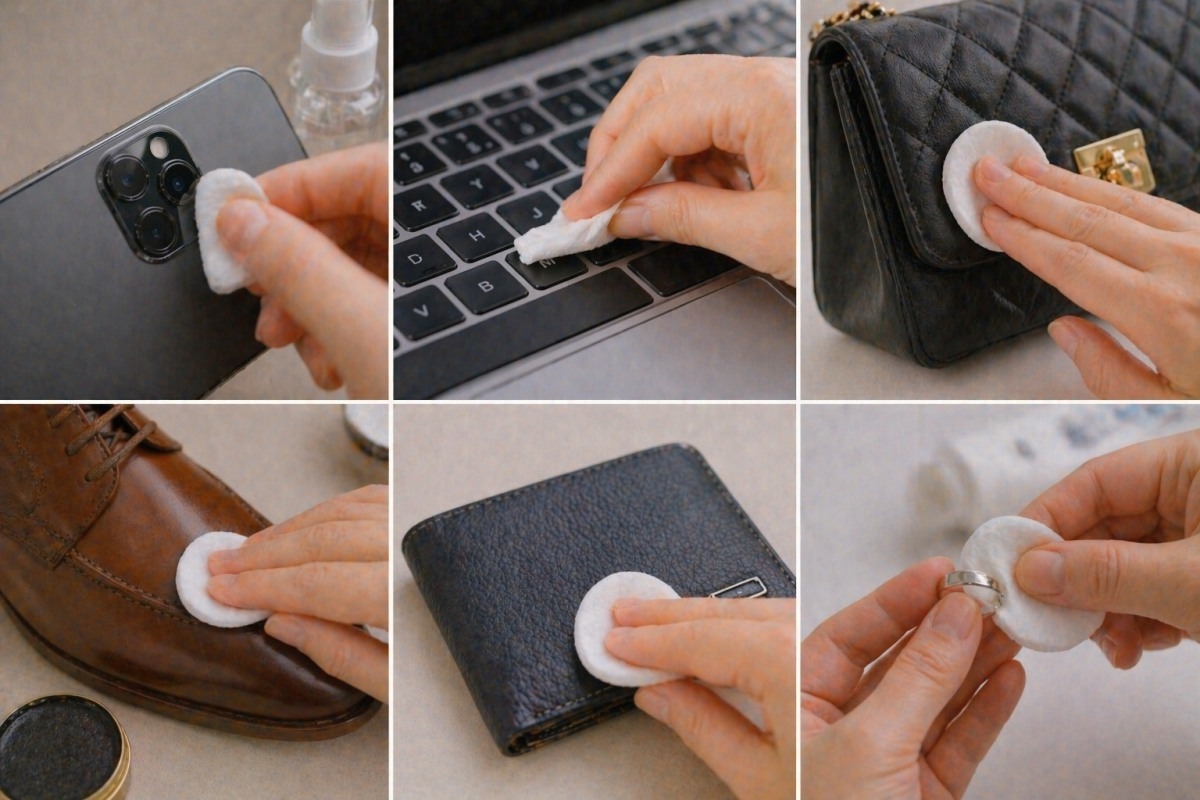
Cotton pads are cheaper than microfiber cloths and, being disposable, help prevent cross-contamination while allowing precise care. Use them on smartphone camera lenses and screens. If fingerprints blur your shots, dab a little ethanol on a pad and wipe gently to remove oils without leaving micro-scratches. Thinly spread a pad to reach the narrow gaps between laptop keys and lift out dust.
Leather goods—designer bags, wallets, shoes—also benefit from careful attention. Put a small amount of leather cream or petroleum jelly on a pad and rub in circular motions so the leather absorbs the product evenly. The pad’s softness restores natural shine while minimizing surface damage.
They’re useful for jewelry care, too. Apply a dedicated polish or a dab of toothpaste to a pad to clean intricate areas thoroughly. Because you can discard the pad afterward, cleanup stays simple.
Disinfect bathroom and kitchen!
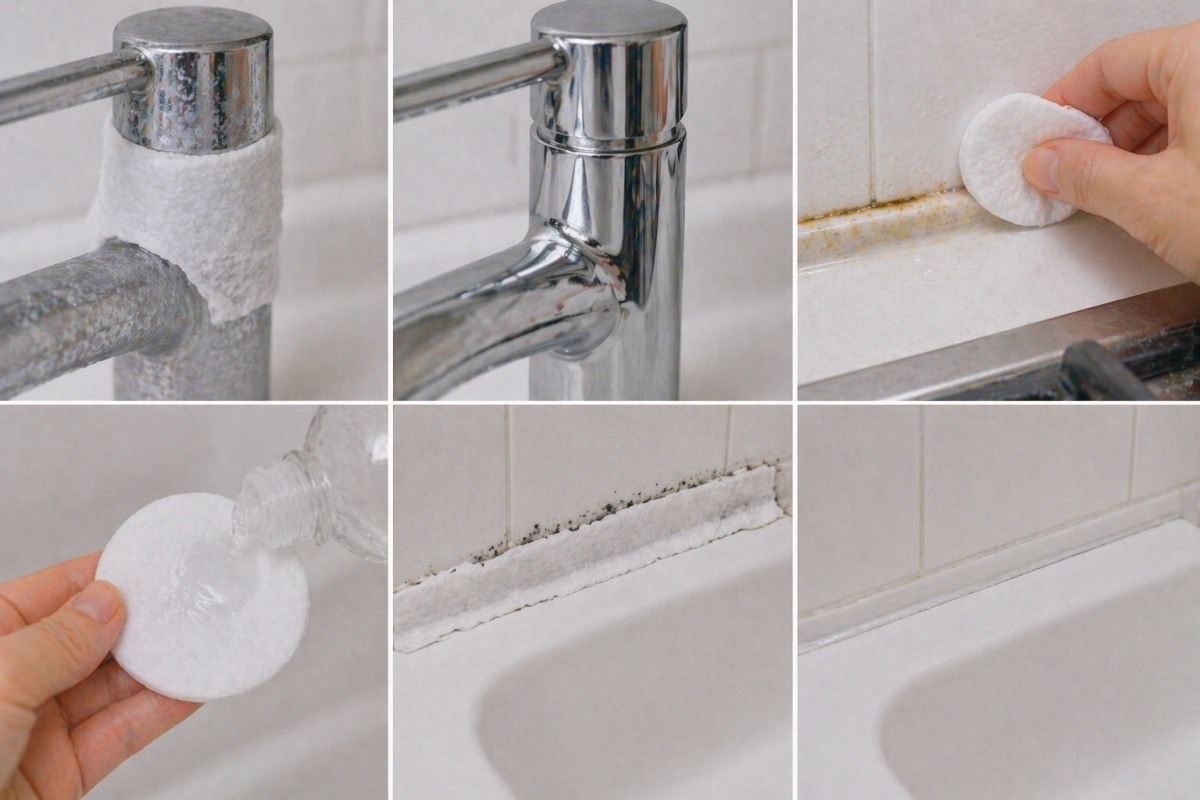
Use a cotton pad to remove faucet lime scale. Wrap a pad soaked in vinegar or a citric-acid solution around the white buildup on a faucet and leave it for 10 minutes. Remove the pad and rub lightly—the alkaline deposits neutralize and the fixture regains a bright, like-new shine.
For post-cooking grease, place a pad dampened with a cleaning agent over the spot for a moment; the grease will soften and wipe away with little effort.
Black mold embedded in bathroom silicone often runs off when you spray cleaner on it. Tear a pad to fit the mold area, press it in place, and saturate it with bleach. The pad acts like a poultice, holding the cleaner against the mold; after 1–2 hours, remove it to reveal a strong disinfecting effect.
An essential travel partner!

Cotton pads are lightweight and make excellent cushioning for frequent travelers.
They help prevent makeup breakage. Compressed powder products—compacts, eyeshadow, blush—shatter easily. Slip a pad into a compact before closing to fill empty space and prevent movement that could damage the powder.
To prevent leaks, place a pad over the mouth of a lotion or toner bottle before screwing on the cap; it acts as a secondary seal against pressure changes and jostling.
Use a pad as a perfume blotter on the road. Spray a bit on a pad and place it near the air vent in your hotel room to create an instant, portable diffuser.
Use its moisture to help gardening!
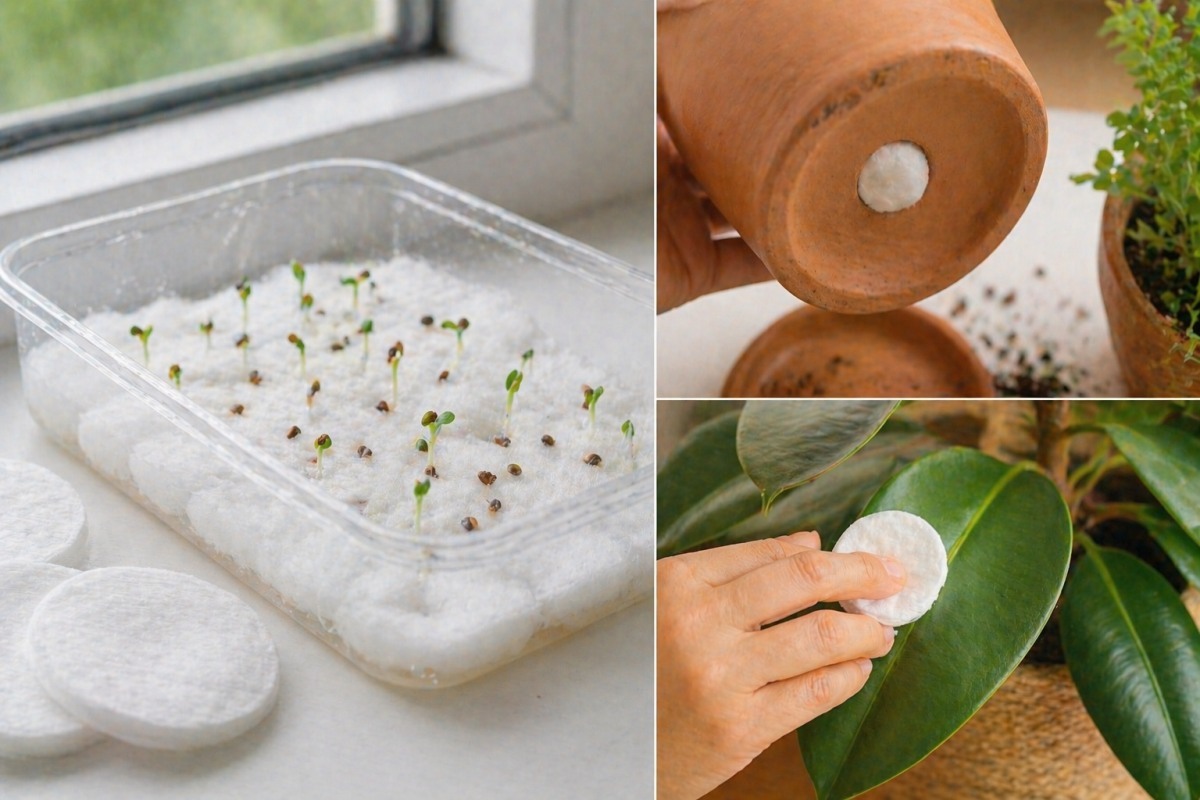
Cotton pads act as moisture reservoirs in gardening. They can help seeds germinate more reliably. For tiny or hard-to-sprout seeds, place them on a damp pad in a clear container and set it in sunlight. Consistent moisture makes it easy to watch sprouts emerge and improves germination rates.
They also work as drainage-hole liners during repotting. If a pot’s drainage holes are so large that soil keeps washing out, lay a pad over the holes. It allows water to drain while keeping soil in place, and it will break down over time so roots aren’t impeded.
Use pads to wipe dust off leaves, too. Dust on broadleaf plants blocks photosynthesis. Wet a pad and gently wipe leaf surfaces to protect plant health and keep them looking their best.
A small cushion that protects daily safety
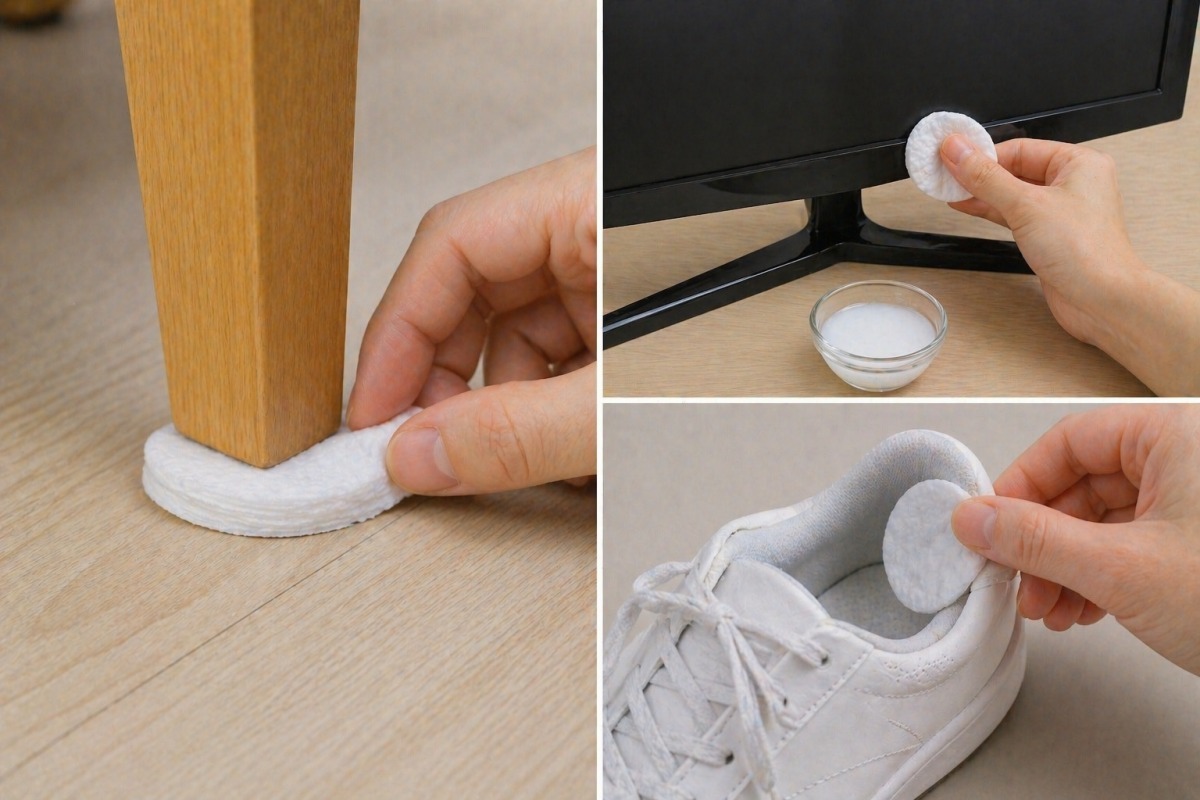
Noise from moving chairs or tables can trigger complaints between neighbors. When you need a quick buffer, stack two or three pads and stick them under furniture legs for a temporary noise- and vibration-dampening pad.
Cotton pads can also reduce static. Put a small amount of fabric softener on a pad and wipe around the edges of appliances. The pad spreads a thin, even layer that helps prevent static and keeps dust from settling back onto surfaces.
Their uses don’t stop there. If new shoes threaten to rub your heels, place a pad inside your sock or against the shoe’s heel. The pad’s thin, slightly resilient layer reduces friction and serves as a handy temporary protective cushion.














Most Commented