
Translation result.
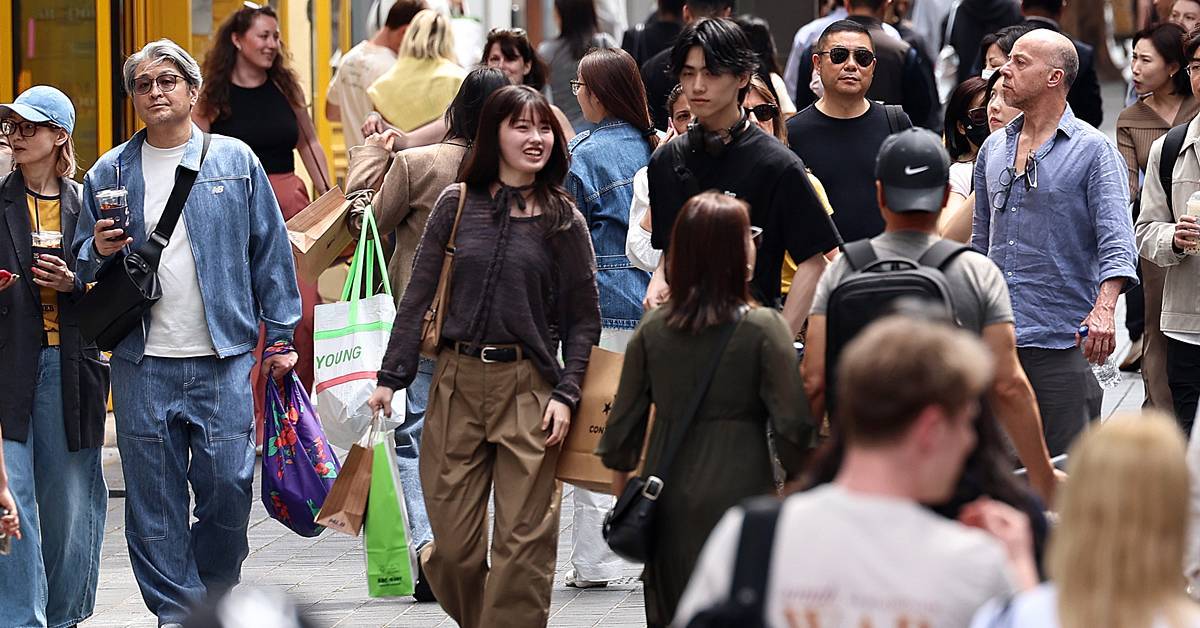
Visitors to Seoul are changing how they explore the city. Instead of sticking to the usual shopping-and-food hubs—Myeong-dong, Seongsu, Hongdae—more travelers are heading for the mountains inside the city limits. Urban hiking, where people step off the subway and start a trail, has quietly become a must-do itinerary. Among international tourists, “K-hiking” is spreading as an experience-driven activity: trading shopping bags for trekking poles and department-store selfies for summit views.
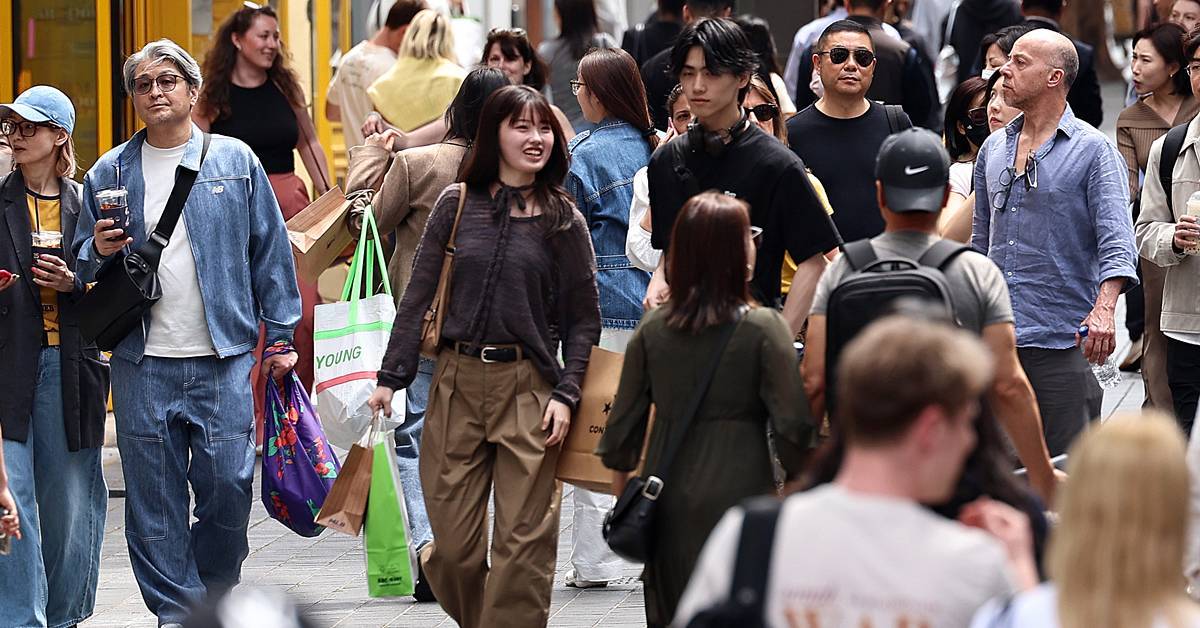
The data back this up. Seoul Metro reports weekend daily usage at six subway stations that double as hiking gateways—Dobongsan, Suraksan, Achasan, Gyeongbokgung, Yangjae and Seoul National University Entrance—totaled 270,623 riders, an 11.5% increase year over year. Achasan saw the biggest jump, climbing 21.9% from 27,566 to 33,600 riders. Dobongsan rose 16.6%, Gyeongbokgung 12.8%, and Suraksan 12.7%. These aren’t just shifts in foot traffic; they suggest Seoul hikes are being consumed as genuine tourism experiences.
Driving this trend is a change in what international visitors want. Where tourists used to revolve around famous sights, restaurants and shopping, many now crave authentic local experiences. For Seoul residents, hiking is everyday leisure—but for foreigners it’s an authentic cultural moment. Posing at the summit with the city skyline, then descending for kimbap (Korean rice rolls), ramen, or makgeolli (milky rice wine) has become a distinct Seoul-style travel pattern.
The hotspots aren’t Myeong-dong—they’re Seoul’s mountains
Weekly Chosun reports that “K-hiking” ranks among the Seoul routes getting the most attention from foreign visitors. Seoul’s layout is unique: you can hop the subway from downtown and reach a trailhead in a short time. The close connection between city and slopes lets travelers pack a memorable, different experience into a tight schedule.
Peaks like Achasan, Dobongsan, Gwanaksan and Bukhansan are popular because they’re easy to get to and offer sweeping city views, which raises visitor satisfaction. The more-than-20% surge at Achasan symbolizes this shift. Where people once assumed Myeong-dong, Hongdae or Seongsu would attract the most tourists, now the surprise favorites are mountains you can reach by subway for a quick, feel-good climb.
Why the shift? Experiential travel is winning out over shopping
Experts connect this shift to a broader tourism realignment. Past trips to Korea leaned toward consumption—shopping and eating—while today many travelers favor immersive, experience-led trips that let them live like a local. Hiking fits that bill: it’s something locals enjoy, it’s low-cost, and it delivers a quick sense of accomplishment.
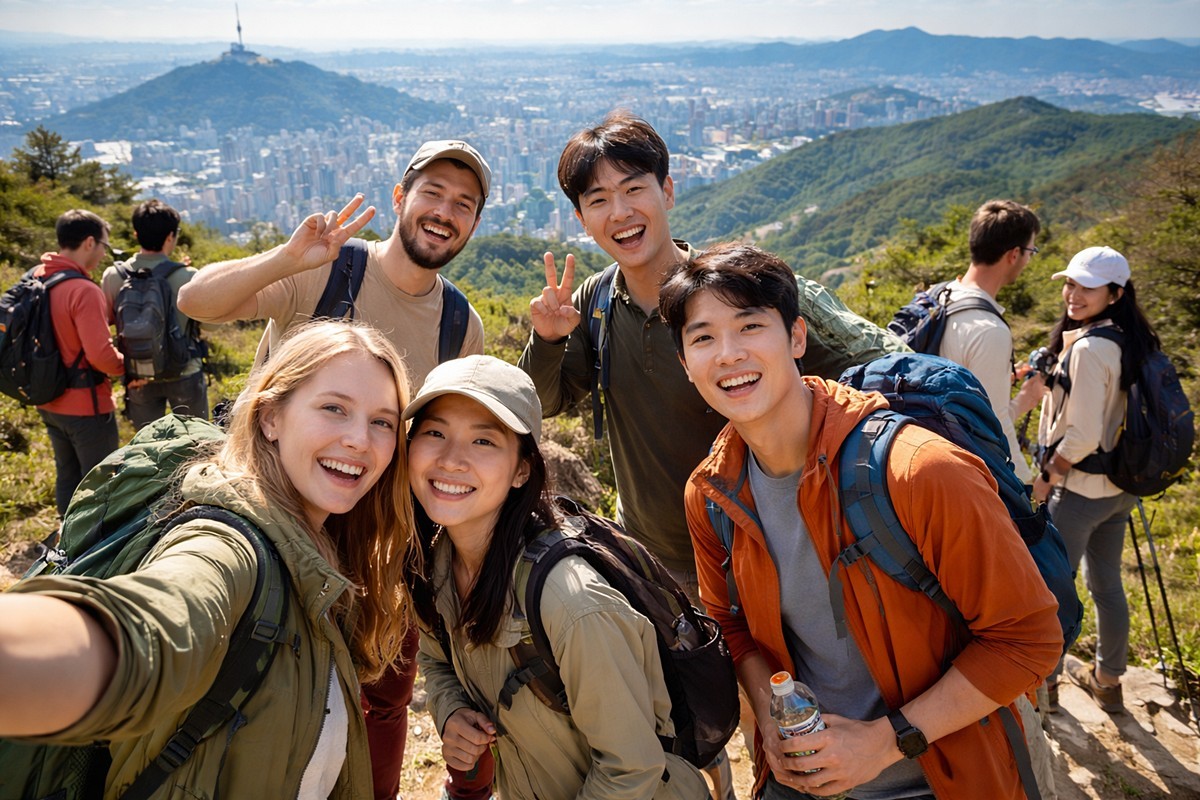
Social media has amplified the trend. Instagram and TikTok are full of posts tagged #seoulhiking and #koreahiking. Visitors share summit selfies framed by Seoul’s skyline or photos of kimbap and makgeolli after a hike, spreading the idea that hiking should be on any Seoul itinerary. The South China Morning Post recently highlighted Korea’s urban hiking culture, noting that travelers’ checklists have expanded from street food and shopping to include summit ramen and post-hike drinks.
Retail is noticing—how hiking becomes tourism spending
The hiking boom has changed spending patterns, not just movement. Shinsegae Department Store reports foreign shoppers’ sales in sports and outdoor gear climbed more than 120% in the past month compared with a year earlier. As tourists adopt hiking as part of their visit, they’re buying equipment, apparel and accessories—turning hiking into a lifestyle-driven segment of travel consumption.
The Seoul Tourism Foundation’s Hiking Tourism Centers play a role, too. Centers at trailheads near Bukhansan and Gwanaksan provide multilingual information and rent hiking boots, clothing and poles. That lowers the barrier to entry for foreign visitors, letting them head out without extensive planning. Unlike some countries where reaching a trail requires driving or a full day, Seoul’s half-day hikes offer a convenient competitive edge.
Not just tourists—young locals are joining the trend
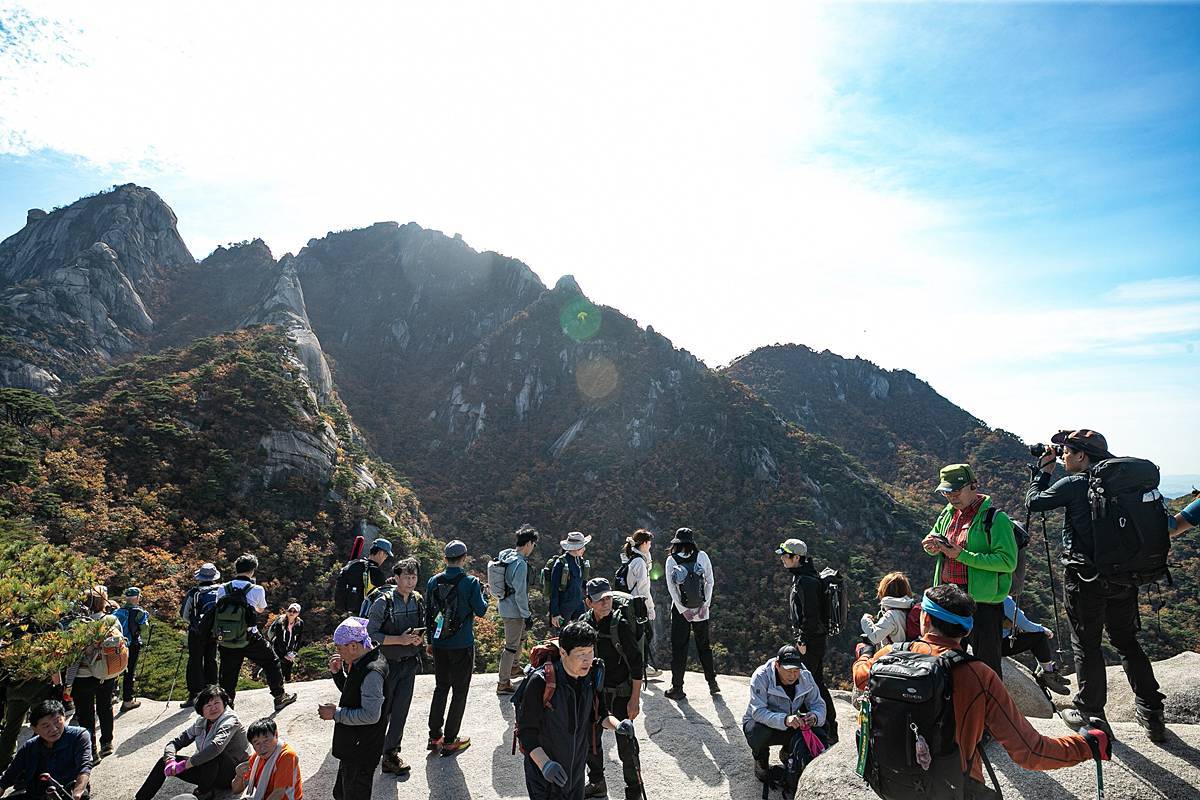
This isn’t only about foreign visitors. Hiking has regained popularity among people in their 20s and 30s. What used to be seen as a middle-aged hobby is now framed as a healthy, trendy lifestyle. Crowds of young people at Gwanaksan even sparked the so-called “Gwanaksan open-run.”
Market research firm Embrain Trend Monitor’s 2026 survey on hiking experience and culture found that 66.9% of respondents had hiked in the past year. Some 58.8% felt the hiking population was growing, and 51.2% said more young people hike now than before. Among respondents in their 20s and 30s, 40.5% and 39.0% respectively cited social media as a reason for hiking’s popularity. The combination of scenery, photo ops, exercise, relaxation and social time makes hiking an appealing new leisure choice.
When a trend explodes, basics matter—follow hiking safety rules
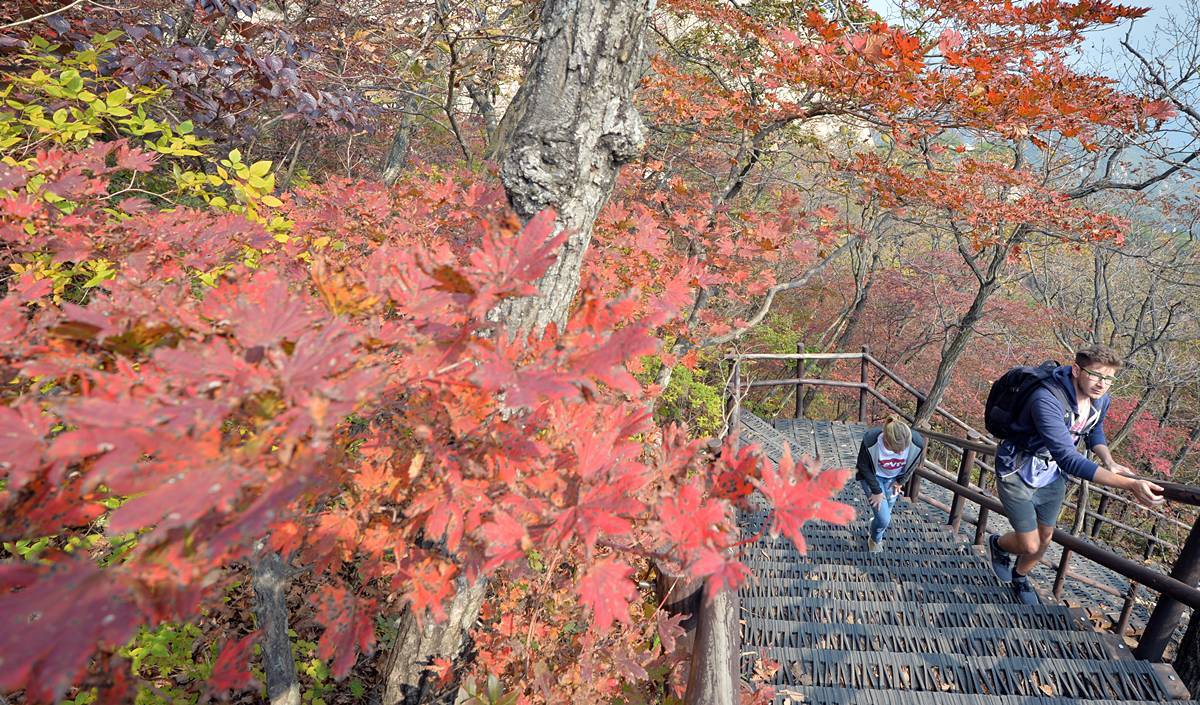
With popularity comes responsibility: safety matters more than ever. Foreign visitors and novice hikers shouldn’t underestimate Seoul’s mountains just because they’re close to the city. Choose a route that matches your fitness level and plan to be off the trail before sunset. Wear shoes with good traction and pack water, light snacks, a thin outer layer and a phone power bank.
Stick to marked trails and avoid hiking in heavy rain or fog. If you go alone, tell someone your route before you leave, and don’t hesitate to descend if you don’t feel well. A safe return is far more important than a summit photo.
Seoul’s mountains have become fresh destinations for foreign visitors and a new hobby for younger Koreans. For this trend to endure, a culture of safe hiking must take root. For now, the unexpected Seoul hotspot attracting crowds is the city’s peaks—not its shopping streets—and the numbers confirm that. Remember: the best trips are enjoyed safely, not just widely photographed.










Most Commented