
Translation result
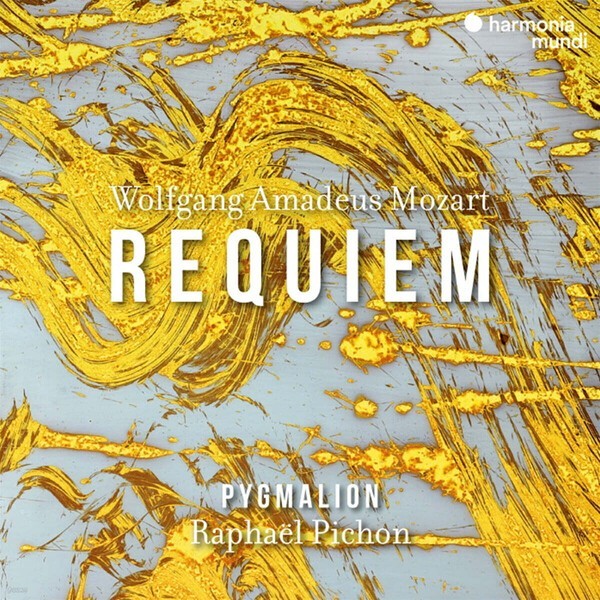
Some days, the mind caves in.
When tragedy hits or pain becomes overwhelming, a mournful melody can reach farther into the chest than any consolation we expect. In Mozart’s Requiem, music stops being mere sound and becomes something like a handkerchief—quietly wiping away tears.
In 1791, in the final months of his life, Wolfgang Amadeus Mozart sat at a desk with a single manuscript: Requiem—a mass for the dead. The title was plain; its resonance proved anything but.
A familiar legend surrounds its origin. A messenger dressed in black delivered a commission from an anonymous patron, later identified as Franz von Walsegg, an Austrian aristocrat who had lost his wife and intended to claim the work as his own.
As his health declined, Mozart reportedly said, “I am writing my own funeral mass.” Whether the remark was theatrical or literal, the music’s cold intensity makes the anecdote hard to dismiss.
The opening Introitus arrives on low strings and chorus. It doesn’t speak of terror so much as an inward sinking—the tremulous recognition of an inevitable fate.
Then the Dies Irae erupts: a storm of judgment and wrath driven by relentless rhythms and explosive choral force. It seems to draw out the deepest fears lodged in the human psyche. Still, Mozart never lets the turmoil become formless; the structure is exact, and the emotions are carefully shaped.
Mozart did not finish the Requiem. His student, Franz Xaver Süssmayr, completed it from sketches, leaving the work suspended between singular authorship and collaboration—and raising enduring questions about who truly owns it.
Süssmayr’s later sections can feel rough or disarmingly plain. That plainness, set against Mozart’s intricate writing, creates a profoundly human space inside the piece—imperfect, and therefore more honest.
Mozart’s music is often called divine. The Requiem, however, resonates differently: it reads less like a hymn to God than like an account of how humans respond in the presence of the divine.
Fear, sorrow, resignation, and a fragile glimmer of hope coexist within the work.
Perhaps that is why listening to the Requiem doesn’t leave us dwelling on death. It turns us back toward life—toward the fleeting present and the quiet, undeniable value of the moment.
Mozart died in December 1791 at thirty-five—a life cut short.
Yet the Requiem endures. Not merely as sacred music, but as one of humanity’s deepest questions posed in its most beautiful form.
Reported by News Culture M.J._mj94070777@nc.press












Most Commented