
Discover Japan’s Viral Food Trends: Peanut Cola, Chocolate Tofu, and More Unique Delicacies!
Daniel Kim Views
Translation result
Curiosity, spectacle, and stories
What matters more than taste is whether it grabs attention
This spring, quirky eats set Japanese social media ablaze. Most of these bites are things you don’t usually run into. As odd menu items went viral, a single striking photo became part of their appeal.
On the 18th, SoraNews and PR TIMES reported that the trend of dropping peanuts into cola has been spreading fast across social platforms.
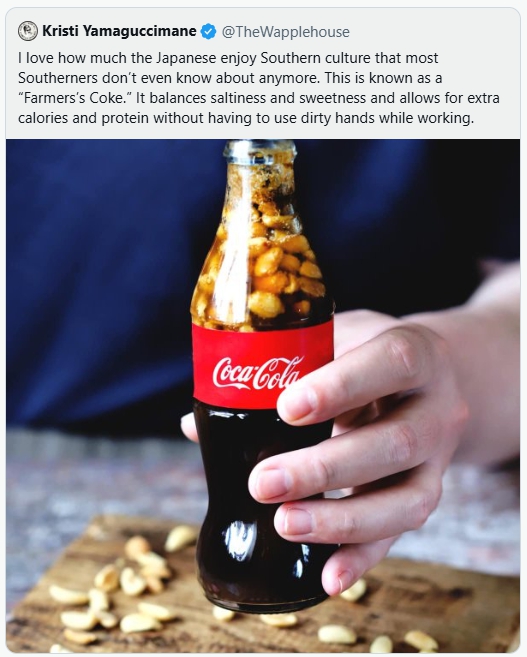
After images of people stirring roasted peanuts into cola blew up online, other oddities followed: chocolate-flavored tofu, sake fermented using tea made from moth-larva droppings, and a “lettuce burger” packed with nothing but a head of lettuce. Young people have been the main drivers of these micro-trends.
The first wave was the so-called “peanut cola.” According to SoraNews24, the combo took off after an X user posted about it in early April.
Known in the American South as “Farmer’s Coke,” it’s simple: roasted peanuts added to cola. What hooked people was the mash-up of cola’s sweetness, the peanuts’ savory nuttiness, the fizz, and the unexpected texture. Japanese users kept saying it was “better than expected,” and trying it turned into a kind of experiential game. Japan’s social media culture—where users sample and share strange food mixes—turned these cross-cultural habits into playful content.
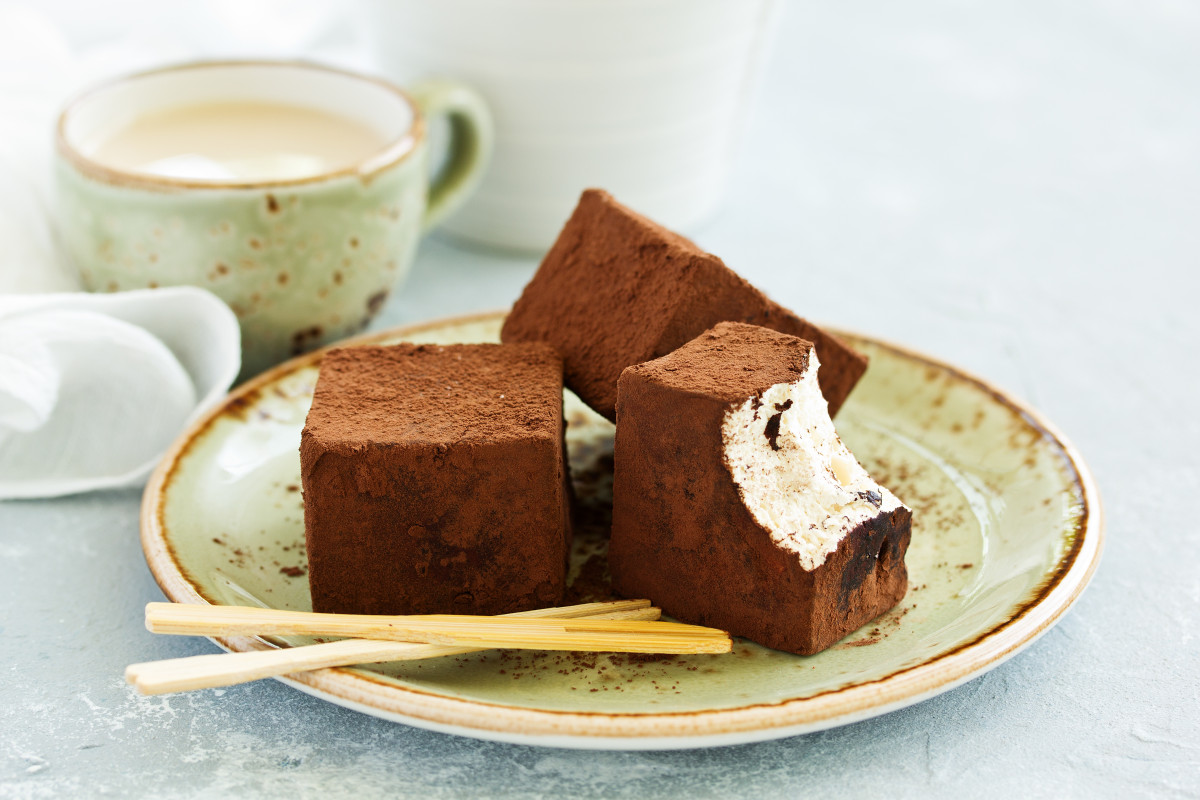
There’s also a clear pattern of pairing traditional ingredients with unexpected brand images.
Godiva’s Japan unit teamed up with a local confectioner to launch chocolate tofu, even rolling out a sakura-flavored chocolate tofu.
The product sold out quickly the first time it hit shelves last year and has since been restocked. Each cup pairs the silky texture of tofu with the sweetness of chocolate. Observers see it as a classic example of a Japanese marketing move that intentionally blurs the line between “luxury dessert” and “everyday ingredient.”
In practice, swapping whipped cream for silken tofu to cut calories while adding protein has become popular with young people watching their weight.
Even more attention went to a sake made with an unusual production method.

The company and PR TIMES say they fermented rice together with chūbi-cha—a tea brewed from droppings of moth larvae that had fed on plant leaves—to create the sake. Using chūbi-cha made from a blend of Ooshima-zakura and Oomizu-ao was meant to layer cherry-blossom notes over the rice’s savory umami.
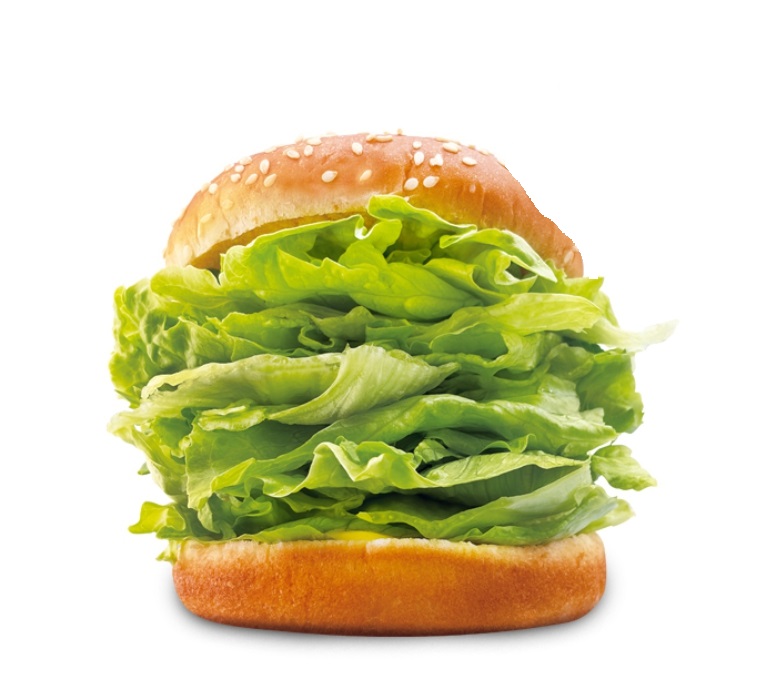
Homegrown burger chain Dom Dom Burger leaned into pure visual shock. Its limited-time “lettuce burger,” launched on the 26th of last month, stuffs roughly one-third of a head of lettuce into the sandwich. Apart from the bun, it’s basically all lettuce. It costs about 4,500 KRW (approximately $3.38).
For many customers, form comes before flavor. The absurdly tall stack of lettuce is a visual stunt. Dom Dom Burger says that very oddness is the point.
At first glance these cases seem unrelated, but they share a clear throughline in recent Japanese consumer trends.
Today’s food-and-drink market in Japan isn’t judged on taste alone. Surprise value, the urge to tell a story, and how well something travels in photos and short videos now determine its edge.
Companies are exploiting that gap, mixing traditional ingredients and seasonal cues with bizarre combinations and striking visuals. The dining table is no longer a quiet place. A single Japanese meal now doubles as a tiny stage of taste, curiosity, spectacle, and story.











Most Commented