
Translation result
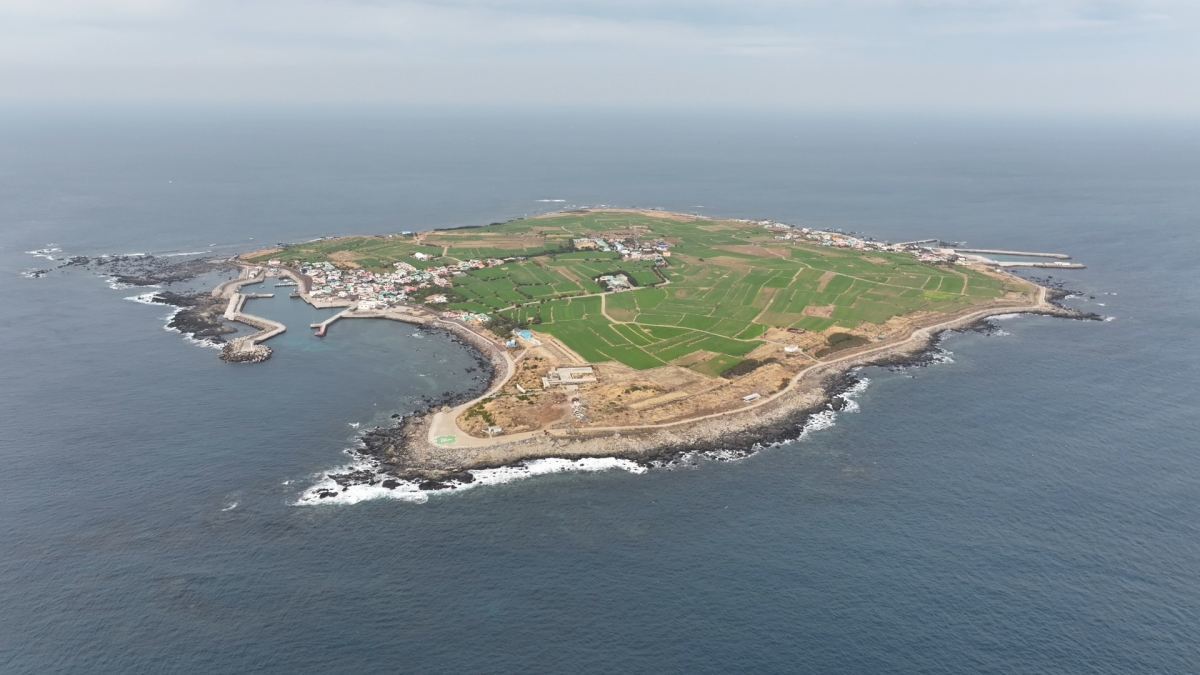
EBS1’s Korean Travelogue series These Days, Jeju (Part 4) turns its lens on Gapa-do — a tiny island tucked off Jeju — capturing its springtime charm and the lives of a mother-and-daughter haenyeo duo who call it home.
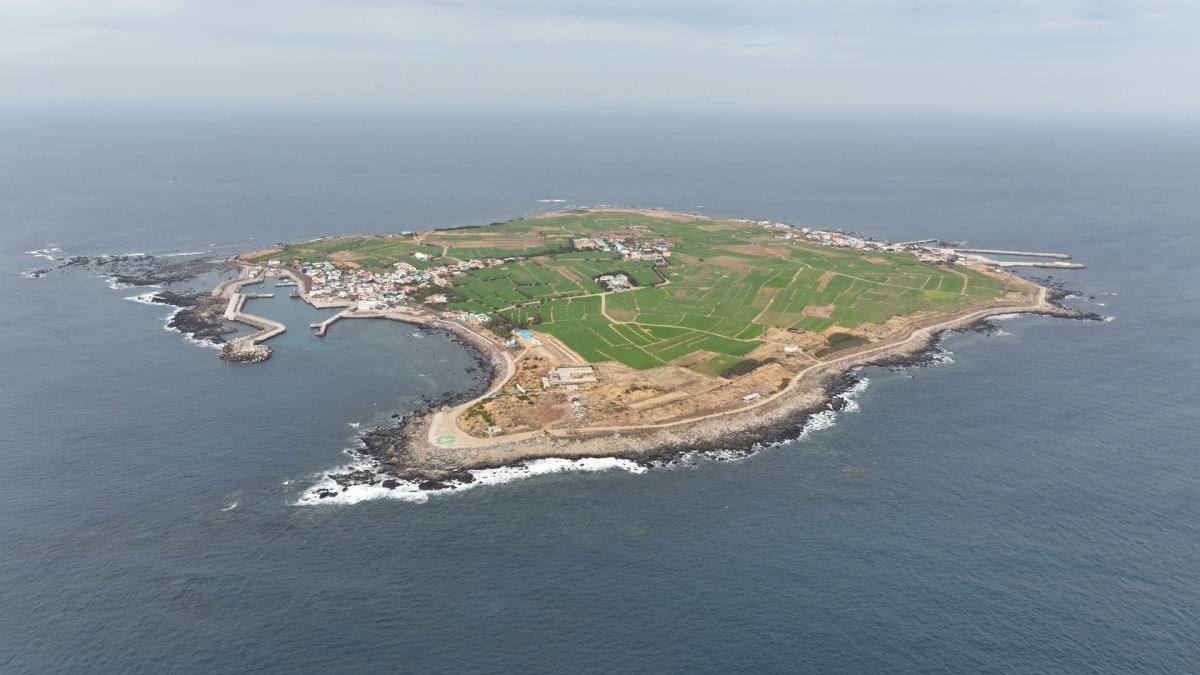
◈ EBS1 Korean Travelogue — These Days, Jeju, Part 4: Paran’s Seaside, Gapa-do
Small islands scattered off Jeju each hold their own stories. Gapa-do is one of those places that seems to change its mood with the seasons. In April, the island erupts in spring — young barley carpets the fields in green, creating a picture-perfect scene that draws steady boat traffic.
The island is home to mother haenyeo Na Young-soon, who has lived on Jeju her entire life and spent decades working the sea. Her daughter, haenyeo Kim Pa-ran, once left but eventually returned — to the very waters her mother had hoped she’d avoid. It took many quiet years for the mother who initially resisted her daughter’s return to accept it. In the stretches of silence between them, concern and resolve quietly coexisted.
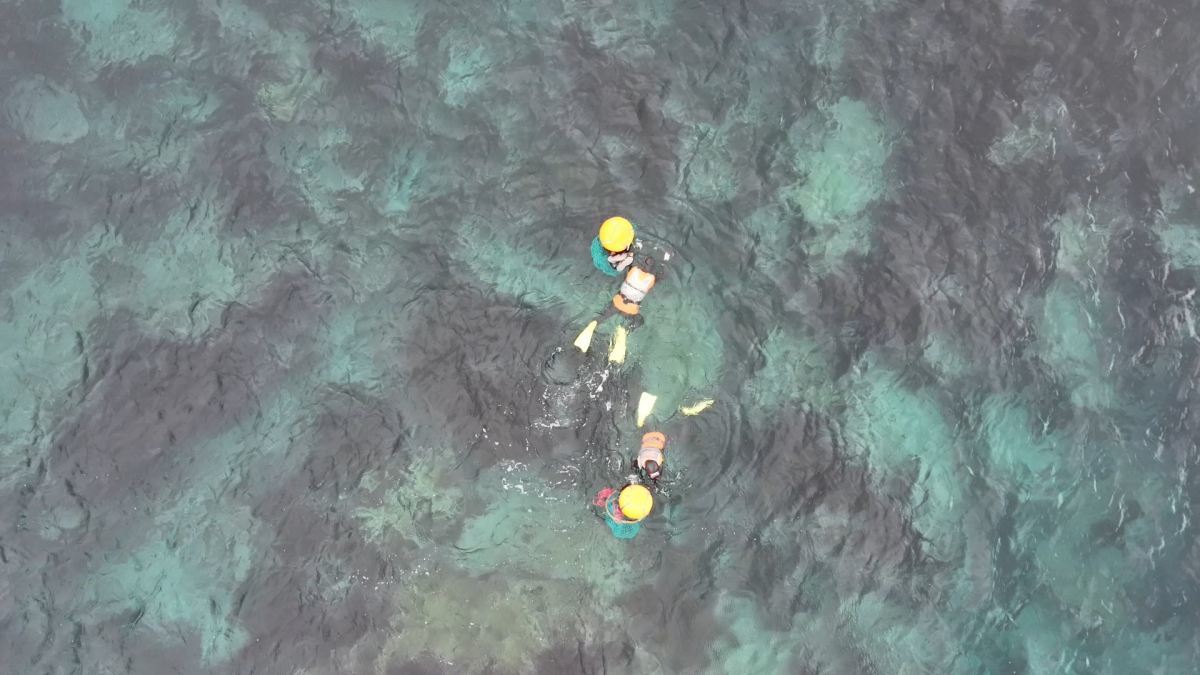
Today, the two run Gapa-do No. 1 Restaurant together. There’s no fixed menu — they simply plate whatever the sea provides that day. In spring, Gapa-do’s waters yield bounty: horned whelks, red sea cucumbers, and gashiri (a local sea cucumber), among other catches, all of which help create generous island meals.
On land and at sea, mother and daughter live side by side. As people come and go, spring settles deeper over Gapa-do. This small island’s story quietly intertwines generational tension and reconciliation and the steady, resilient lives of women who make their living from the sea.
◈ Gapa-do, off Jeju’s southwest tip — a low, flat satellite island known for young barley and level terrain
Gapa-do, part of Daejeong-eup in Seogwipo City, Jeju Special Self-Governing Province, lies southwest of Jeju’s main island. Along with Marado, it’s one of the inhabited islands that define Jeju’s southern waters. A regular ferry from Unjin Port on Jeju reaches Gapa-do in about 10 minutes.
The island is notable for its low elevation and largely flat terrain. Unlike much of Jeju, Gapa-do has few volcanic cones or highlands; instead, it’s mostly gentle fields. Those features have made agriculture, especially barley cultivation, a longstanding local practice.
Gapa-do is especially famous for its spring display of young barley. In April, green barley fields sweep across the island and meet the sea, creating a seasonal landscape that draws more visitors to the area.
Residents typically combine fishing and farming. Haenyeo-led seafood gathering goes hand in hand with barley and other crop cultivation, forming the backbone of the local economy. The island’s seafood and produce also feature in residents’ everyday meals.
The island’s compact size makes walking or biking the easiest ways to get around. Coastal paths and village-centered living spaces shape daily life, giving Gapa-do a way of life that feels distinct from Jeju’s main island.
Gapa-do has entered the season when young barley grows and the island’s seasonal scenery comes into full view. Its short travel distances, flat terrain, and changing agricultural landscape make it one of Jeju’s most distinctive satellite islands.
◈ EBS’s long-running documentary Korean Travelogue
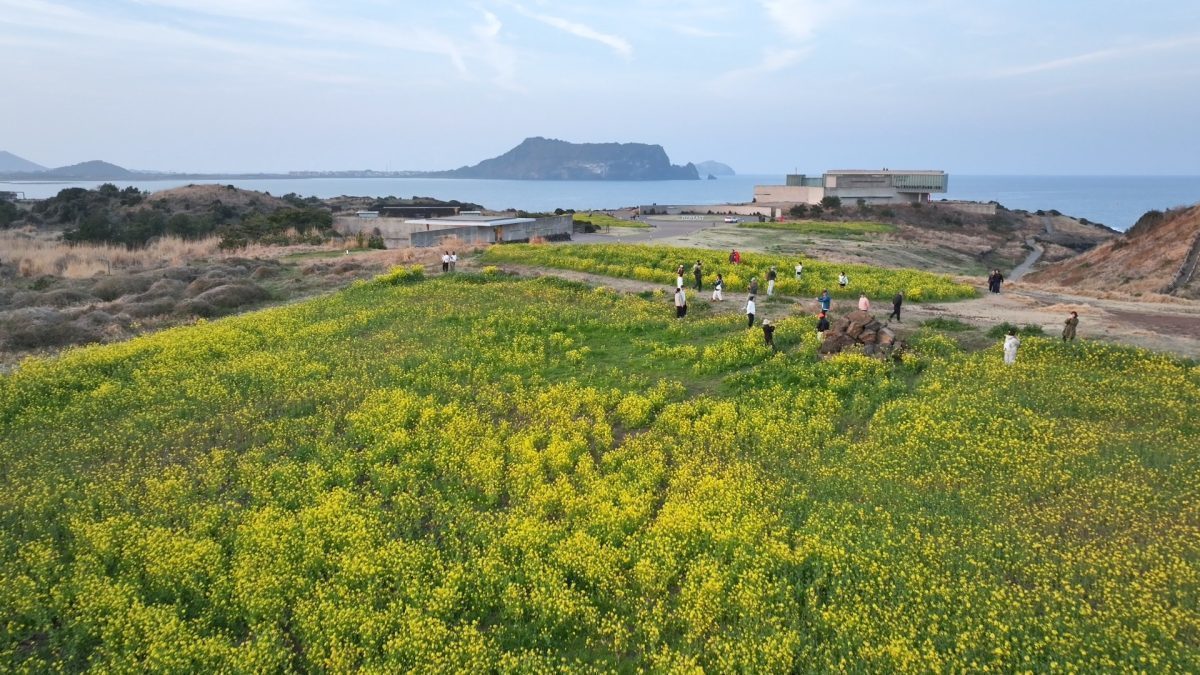
EBS1’s Korean Travelogue first aired in August 2009 and has since become one of EBS’s signature documentary series. The show consistently highlights natural scenery across Korea, local customs, and the everyday lives of residents, earning its place as a comforting, long-running favorite.
The series centers each theme across five episodes, with each installment running about 30 minutes. It captures seasonal shifts in landscapes and regional culture, showing how lifestyles change with the seasons and communicating the distinct atmosphere of each place.
Rather than leaning on artificial staging, the show favors on-location storytelling, using restrained narration and letting images and moments speak for themselves.
The program covers mountain villages, fishing communities, island life, farming areas, and urban spaces, introducing viewers to places and lifestyles they rarely encounter and steadily documenting the regional diversity of Korean life.
The series continues to air regularly on EBS1, bringing a new region and theme to viewers each week.
Korean Travelogue airs Monday through Friday at 9:35 p.m. For broadcast details, check the EBS1 Korean Travelogue preview page.









Most Commented