
Salt + Hot Water Can Damage Toilets
Not Effective at Disinfecting
Cola Can Help Remove Odors
The viral online tip to clean toilets with salt and hot water can help loosen mineral scale or surface grime, but it provides little to no disinfecting or deodorizing power. For routine toilet and bathroom cleaning, don’t rely on salt alone — use basic cleaning methods and, when appropriate, common household items like cola or baking soda to tackle stains and control odors.
In a March statement, the Korea Disease Control and Prevention Agency (KDCA) drew a clear line between cleaning and disinfection. The agency said cleaning removes surface dirt and microbes with detergent, soap and water, while disinfection is meant to eliminate any remaining pathogens.
Limits of Salt Cleaning
Regular Maintenance Matters
Public health authorities and experts say the widely shared salt-cleaning method does not disinfect, and it has not been endorsed by government agencies. Using salt combined with very hot water can also place stress on a toilet’s internal components, so experts generally do not recommend it.
Adding more salt doesn’t guarantee better results. Treating this approach as a substitute for proper disinfection or odor control is misleading — salt alone rarely kills bacteria or fully removes persistent smells. Instead of depending on unproven shortcuts, a consistent cleaning routine is more effective for long-term results.
Salt as a Cleaning Aid
How to Use Cola
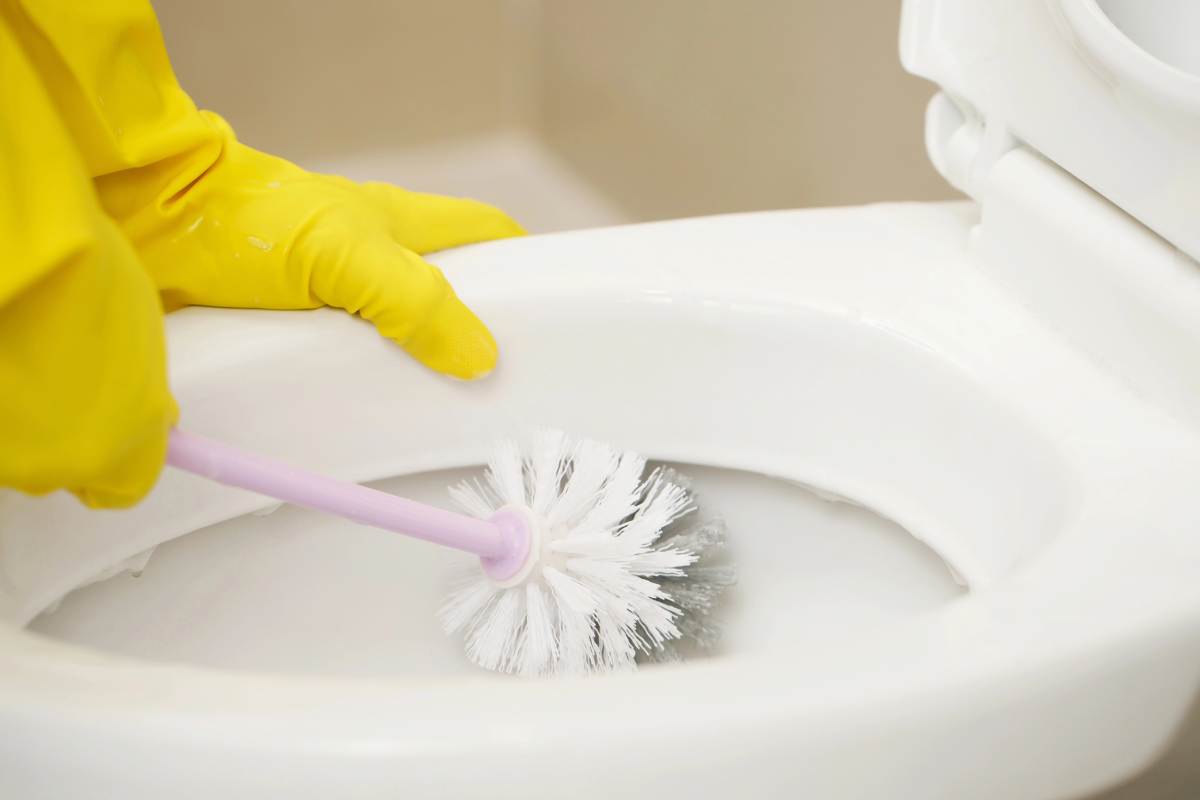
That said, salt isn’t entirely without use. Its coarse grains can provide mild abrasion, helping to scrub away scale or grime that clings to the bowl. A common approach is to sprinkle salt, add lukewarm water, let it sit briefly, then finish by scrubbing with a toilet brush.
Still, safer and simpler options exist. For example, leftover cola can be an effective way to clean the inside of a toilet bowl without risking damage to internal parts.
How Cola Cleans
Simple Steps
Many toilet odor problems start with old grime and surface stains. Flat cola contains acids — primarily phosphoric and, to a lesser extent, citric acid — that help dissolve built-up residue. Those acidic components can loosen stubborn stains on toilet and bathroom surfaces.
The phosphoric and citric acids in cola gently break down hard-water deposits and stains adhered to the bowl. As the acids penetrate, they soften the grime and make it easier to remove.
The method is straightforward: pour a can of flat cola into the bowl and let it sit for about 30 minutes to an hour. During that time, the acids soften the deposits so they can be scrubbed away more easily.
Cola isn’t limited to the toilet bowl. It can be applied to bathroom floors, sinks and shower fixtures. Wet a stained area with cola, leave it for roughly 10 minutes, then wipe — the surface often appears noticeably cleaner.
Benefits of Baking Soda
Put It in the Toilet Tank
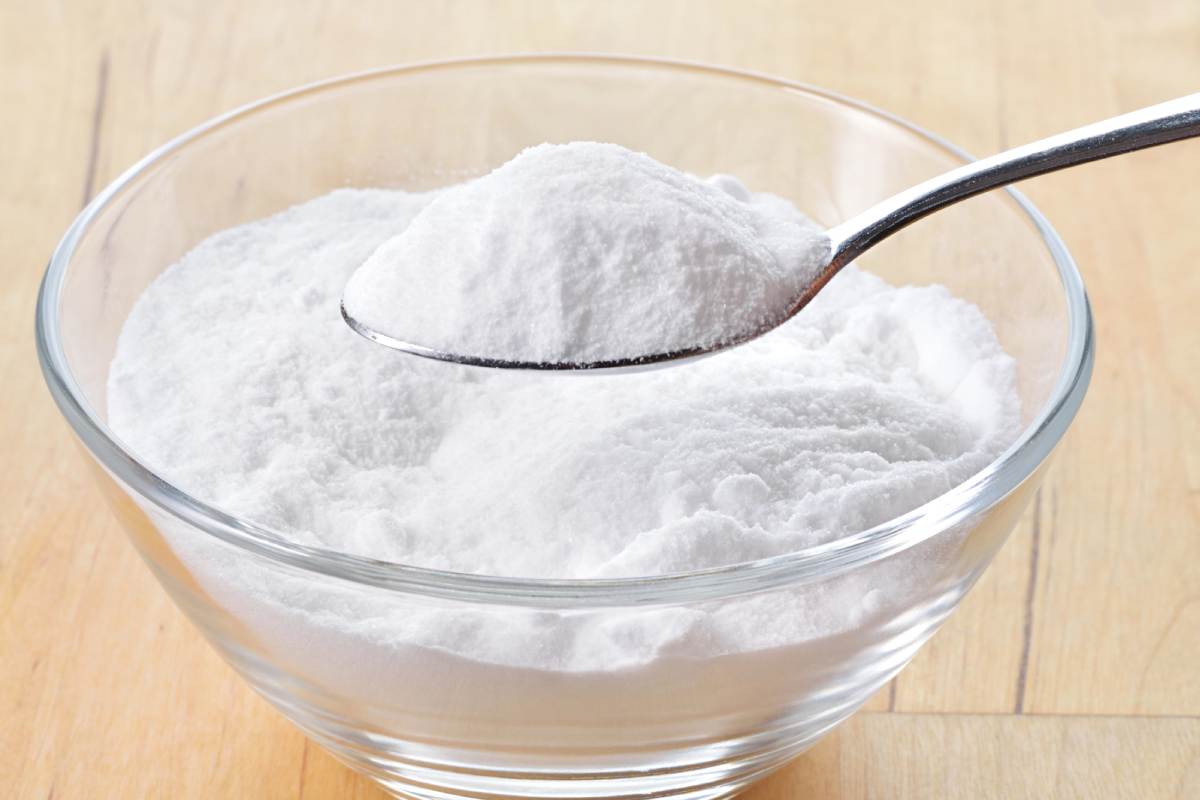
Another practical option is baking soda. Widely used around the house, baking soda appears in cleansers and toothpaste, is inexpensive and is environmentally benign.
Placed in the toilet tank, sodium bicarbonate can react with odor-causing compounds and help neutralize unpleasant smells. Using baking soda can therefore reduce the damp, musty odors that often linger in bathrooms.
In short, don’t depend solely on salt and hot water for toilet cleaning. Use proven cleaning methods and supplement them with everyday items like cola or baking soda when appropriate. A steady, basic cleaning routine combined with these convenient aids will keep toilets and bathrooms cleaner and more pleasant over time.














Most Commented