
Overtourism in Kamakura: How ‘This Love Can Be Translated?’ is Impacting Local Tourism
Daniel Kim Views
Translation result
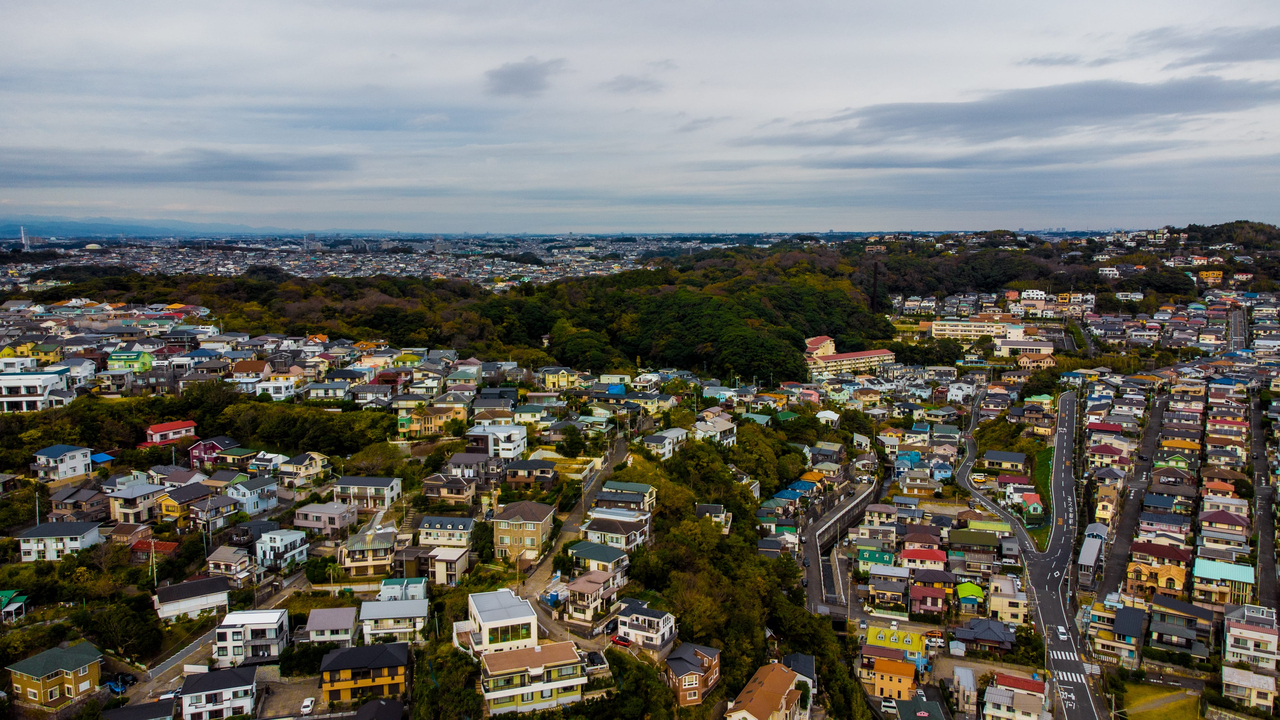
[Herald Economy = Reporter Lee Won-yul] Kamakura City in Kanagawa Prefecture — long celebrated as one of the backdrops for the anime Slam Dunk — is now struggling with overtourism.
But this recent surge isn’t driven by Slam Dunk alone.
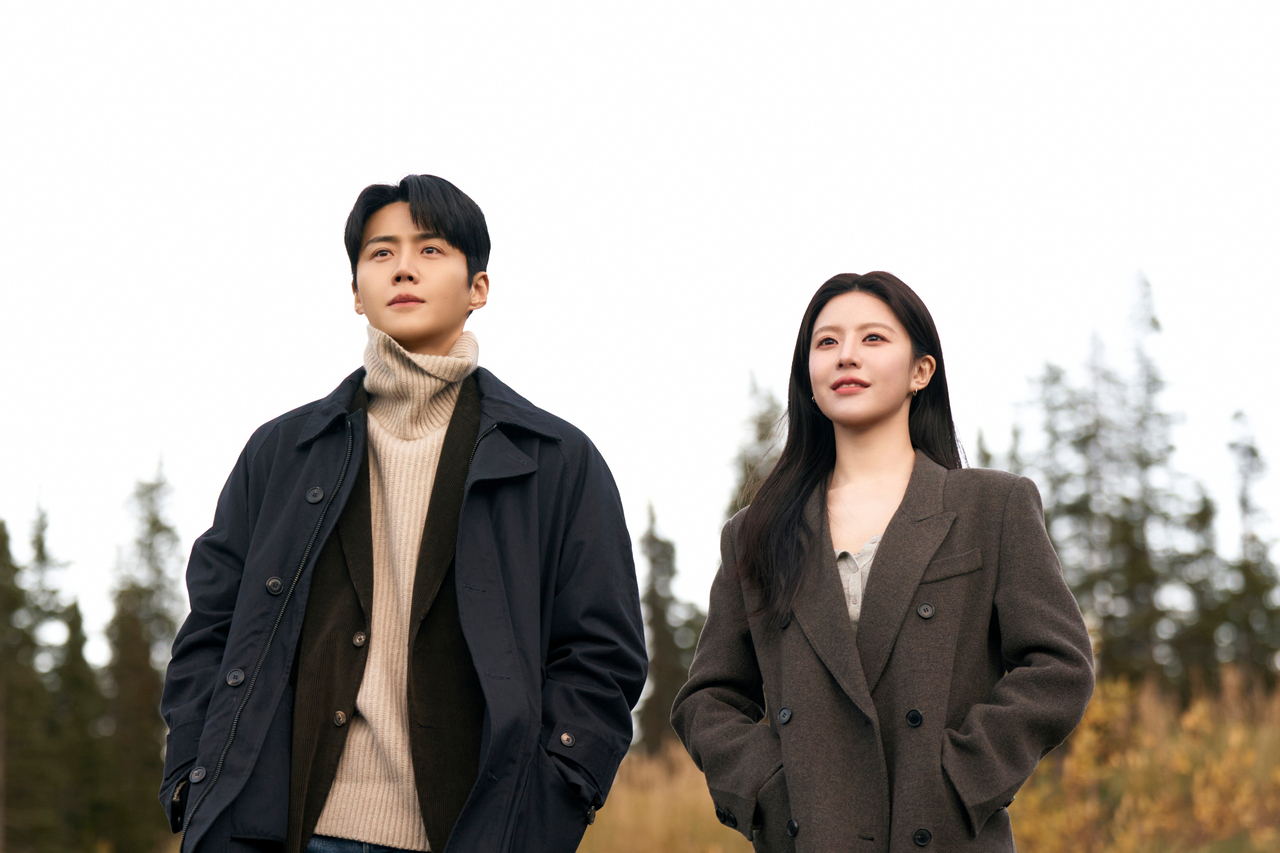
Fans of the Korean drama Can This Love Be Interpreted? — which used Kamakura as a key filming location — have been pouring into the city.
The Asahi Shimbun reported on March 31 that Kamakura, already grappling with overtourism, now faces another wave of crowding tied to the Korean series.
The Netflix show, which premiered in January, shot significant scenes in Kamakura.
The production also filmed in locations across Italy, Canada and other countries.
In particular, scenes filmed around Gokurakuji Station and the area near Goryo Shrine have become hotspots, prompting a noticeable uptick in visitors from South Korea and countries like Myanmar and Indonesia.
The problem is some of the drama’s popular spots sit close to railroad crossings in quiet residential neighborhoods, putting local authorities in a tough spot. Once-tranquil streets are now filled with visitors, bringing noise, traffic jams, unauthorized filming and littering — all of which are harming residents’ daily lives.
The Financial Times noted that some tourists’ unruly behavior has become so visible on Japanese social media that people have moved beyond the term “overtourism,” calling it kanko kokai — or “tourist pollution.”
Overtourism describes situations where tourist numbers overwhelm a destination and create unwanted problems for local communities.

Last year, a child from Hong Kong was involved in an accident at a crossing in Enoshima after coming into contact with an electric train.
Nikkei has pointed to the rising number of foreign visitors and their unfamiliarity with railroad crossings as factors behind repeated accidents.
In response, Japan’s government has begun posting multilingual signs at crossings and stations urging people not to enter, and has asked rail operators to help spread the safety message.
As visitor numbers to Japan surge, more local governments are adopting dual-pricing at certain facilities.
For example, the keep at Odawara Castle in Odawara City, Kanagawa Prefecture, near Tokyo, has introduced dual pricing. The admission fee, previously 510 JPY (about $3.42; about 4,750 KRW, approximately $3.56), has been cut to 500 JPY (about $3.35; about 4,650 KRW, approximately $3.49) for local residents and raised to 1,000 JPY (about $6.70) for nonresidents.
Kyoto City is also moving to differentiate city bus fares for residents and visitors.
The Sankei Shimbun recently reported that, amid rising overtourism, the adoption and study of dual pricing at Japanese tourist sites is accelerating — and municipalities now face questions about how to allocate the extra revenue.
Last year, 42,683,600 foreign visitors came to Japan, a 15.8% increase over the previous record set in 2024.








Most Commented