
Hamyang County’s 170 Billion Won Plan: Will It Solve Livestock Odor Issues by 2030?
Daniel Kim Views
Translation resultHamyang County in South Gyeongsang Province was selected in the Ministry of Agriculture, Food and Rural Affairs’ 2026 Rural Space Maintenance Project competition and secured total project funding of KRW 17 billion (including KRW 8.8 billion in national and provincial contributions), approximately $12.75 million and $6.6 million, respectively.
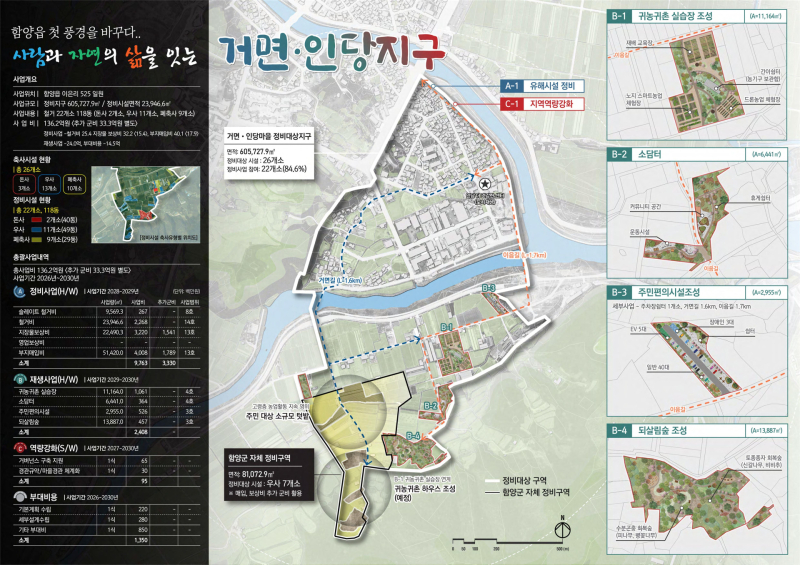
The project area—the Geomyeon and Indang districts of Hamyang-eup—lies adjacent to the town center and contains a high concentration of livestock barns. Because homes are located so close to those barns, nuisance odor complaints have persisted for years.
As the town has expanded, residents repeatedly called for improvements to living conditions. Progress, however, stalled amid concerns about farmers’ livelihoods and difficulties securing the necessary budget.
The county says the selection is significant because consultations among residents, livestock farmers, and local officials created a foundation to advance the project. In particular, livestock farmers’ willingness to participate in the initiative provided the necessary momentum for moving forward.
Hamyang County plans to invest KRW 17 billion (approximately $12.75 million) over five years, from this year through 2030, to systematically demolish and refurbish livestock facilities and to restructure the area. The cleanup will target pig houses, cattle barns, and abandoned livestock buildings.
Planned uses for the cleared sites include a training center for return-to-farm programs, community rest areas, shared parking, and a restoration forest. These facilities aim to improve living conditions and create a foundation for attracting new residents.
The county intends for the project to resolve livestock odor problems, expand the town’s residential area, and establish a rural space regeneration model that raises residents’ quality of life.
A Hamyang County official said the selection was achieved through cooperation between residents and livestock farmers and pledged to implement the rural space maintenance project in ways that reflect local input and secure broad public support.












Most Commented