
How a Grandmother Can Legally Care for Her Disabled Grandson After Son’s Tragic Death
Daniel Kim Views
Translation result
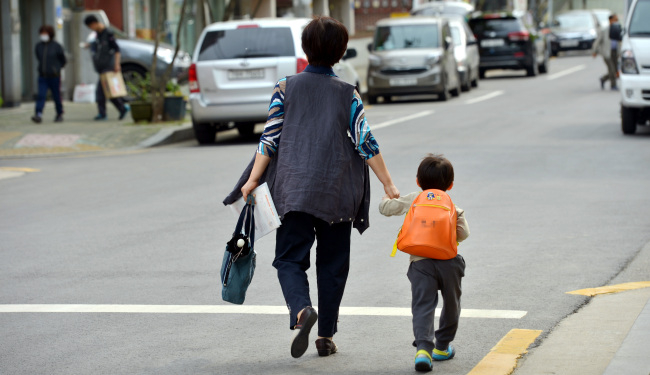
[Herald Economy — Reporter Jang Yeon-ju] A grandmother who has been raising her disabled grandson alone after her son — who was suing his missing wife for divorce — died, asked for help to find out whether she can become his legal guardian.
On the 2nd, on YTN Radio’s “Attorney Jo In-seop’s Counseling Room,” the woman identified only as A said, “I lost my husband 15 years ago and raised my son alone. When he was about to graduate college, he brought home a heavily pregnant girlfriend. They quickly registered their marriage and moved in together.”
The grandson was later diagnosed with a congenital brain disability, likely exacerbated by inadequate medical care. A stepped in to care for him, essentially taking on the role of primary caregiver for the child in place of her son and daughter-in-law.
After graduation, the son took a production-line job at an auto parts plant in another province. He lived in company housing during the week and returned home on weekends. His wife, unfamiliar with household duties and childcare, left most of the housework and care to A.
About a year later, the daughter-in-law left the home saying she would “step out briefly” and never returned. When A contacted the daughter-in-law’s parents, they said they did not know her whereabouts.
The son eventually reached his wife by phone, but she failed to show up for an arranged meeting.
The son filed for divorce, but while awaiting trial he was killed in a traffic accident on his way home. Two years have passed, and the daughter-in-law remains unreachable.
A told the radio program, “I’m getting older and the financial burden is overwhelming. Legally I’m only the grandmother, not the parent, so I run into obstacles every time I visit hospitals or government offices. What am I supposed to do?”
Attorney Jo Yoon-yong responded, “The daughter-in-law left the child and has been out of contact for two years without providing care. That qualifies as abuse or abandonment of parental authority. If you file suit, the court could strip her of parental rights.”
Jo added, “Even if biological parents lose parental rights, they still have a legal obligation to pay child support while the child is alive. You can therefore pursue a child support claim against the daughter-in-law. First, the grandmother should be formally appointed the minor’s legal guardian so she has lawful custody. Once she holds that guardianship, she can bring a child-support claim against the mother.”
He also cautioned, “If the grandmother dies, her grandson — the son’s child — could inherit in place of the deceased son. Because the son’s divorce from his wife was not finalized before his death, the daughter-in-law remains his legal spouse. Unless she remarries before the grandmother’s death, she could inherit from the grandmother alongside the grandson.”












Most Commented