
Will the National Investigation Uncover Truths About the ‘False Confession Coercion’ Scandal? Key Insights from April 2026
Daniel Kim Views
Translation result.
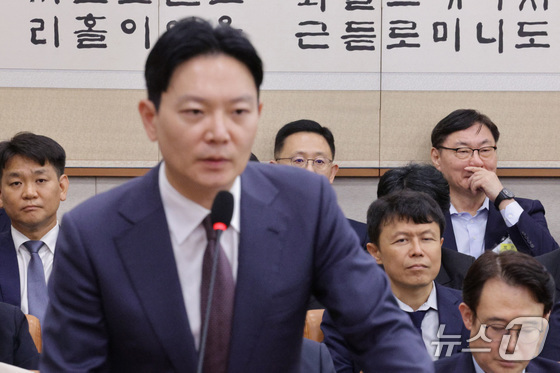
A parliamentary investigation into alleged fabricated prosecutions opened on the 3rd, and with senior prosecutors scheduled to testify in large numbers, a direct confrontation between the ruling party and the prosecution appears likely.
The National Assembly’s Special Committee to Investigate Allegations of Political Prosecution and Fabricated Indictments under the Yoon Suk Yeol administration convened institutional briefings and has summoned 29 witnesses from the Ministry of Justice and the prosecution, including Justice Minister Jeong Seong-ho, Acting Prosecutor General Koo Ja-hyun, and Deputy Chief Prosecutor Park Sang-yong of the Incheon District Prosecutors’ Office.
The Democratic Party plans to press aggressively on allegations that investigators coerced false confessions and on the so‑called “salmon sashimi” drinking‑party allegations. Prosecutors, however, say ongoing investigations and trials are likely to limit their answers to key questions, making clashes all but inevitable.
‘Coerced false confessions’ emerges as a focal point…Ruling party vows intense questioning
According to legal and political sources on the 2nd, the committee designated a total of 102 witnesses, with 37 slated to appear on the first day. Of those, 29 are officials from the Ministry of Justice and the prosecution—nine from the ministry and 21 from the prosecution. The list includes senior figures such as Minister Jeong, Acting Prosecutor General Koo, Acting Head of the Seoul High Prosecutors’ Office Jeong Yong-hwan, and Seoul Central District Prosecutor Park Cheol-woo.
The central battleground is expected to be allegations that investigators attempted to induce false confessions. The committee has subpoenaed members of the original Suwon investigation team, including Prosecutor Park Sang-yong, Suwon High Prosecutor Lee Jeong-hyun, and Suwon District Prosecutor Kim Bong-hyun. Three officials from Suwon Detention Center will also appear to testify about the salmon sashimi drinking‑party allegations.
The Democratic Party and the former Suwon prosecution team have already engaged in intense public disputes. The controversy began when attorney Seo Min-seok, who represented former Gyeonggi Province Vice Governor Lee Hwa-young, released recorded phone conversations. In those recordings, Prosecutor Park Sang-yong appears to suggest negotiating sentence reductions premised on a false confession.
On a June 19, 2023 recording, Park is heard saying, in effect, that a confession portraying Lee Jae-myung as the ringleader and the former vice governor as an accomplice would open the door to bail or whistleblower status. Critics say the remark amounted to offering benefits in exchange for a false confession.
The original investigation team denies using pressure or inducements to force false statements. Prosecutor Park has also denied the allegations, saying the defense requested a change in the charges and that the released recording was selectively edited.
Attorney Seo Min-seok is scheduled to testify at a related hearing on the 14th.
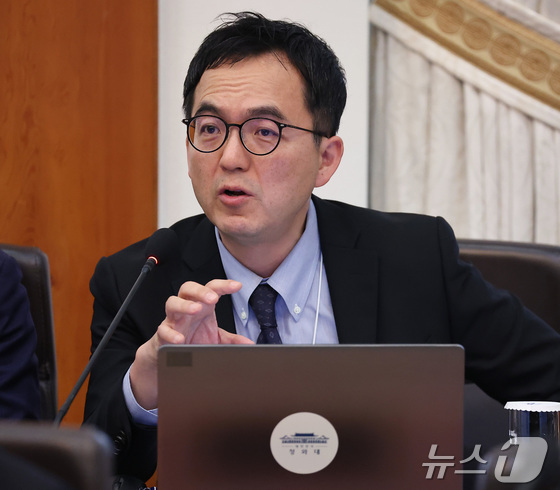
Prosecutors likely to stay silent…Inquiry risks fizzling out
Some observers warn the hearing could end without substantive confrontation because prosecutors, including Acting Prosecutor General Koo, may refuse to answer key questions on the ground that they concern ongoing investigations or trials.
Legal insiders also note potential constitutional and legal problems with the probe. The law governing parliamentary audits and investigations limits inquiries that are intended to interfere with ongoing prosecutions or trials.
A prosecution official said the office will explain matters unrelated to ongoing cases, but responses tied to active investigations or court proceedings must be limited. Another official argued that designating an active case for a parliamentary probe clearly suggests an intent to influence the trial.
Former lawmaker‑turned‑attorney Kim Woong criticized the committee, saying that calling witnesses from the Supreme Prosecutors’ Office and the Ministry of Justice over a Suwon District case looks primarily like an effort to publicly shame officials.
Earlier, Minister Jeong Seong-ho said allegations have arisen about illegalities in investigations and prosecutions under the Yoon Suk Yeol administration and pledged to cooperate with the parliamentary inquiry.
Within the prosecution, attention is focused on whether Acting Prosecutor General Koo—who has largely remained silent—will adopt a public stance.
Prosecutor Park Sang-yong says he will not refuse the oath under the National Assembly’s testimony law and intends to testify fully. “Even if I risk perjury charges, I will state the facts as they are,” he said.
Immediately after the committee approved the probe plan, Park used the prosecution’s internal network to call for an organized response, arguing that the parliamentary inquiry was clearly aimed at intervening in ongoing trials and investigations and therefore unlawful.
Under the National Assembly’s testimony law, witnesses may refuse to testify or take the oath if their testimony could lead to criminal prosecution, indictment, or a guilty verdict.








Most Commented