
Translation result.
Persistently high interest rates and inflation have shifted global car buyers’ priorities toward value and operating costs.
Fuel-efficient hybrid models that can cut monthly fuel bills have become the trend, but higher upfront prices compared with internal-combustion cars still keep many buyers on the sidelines.
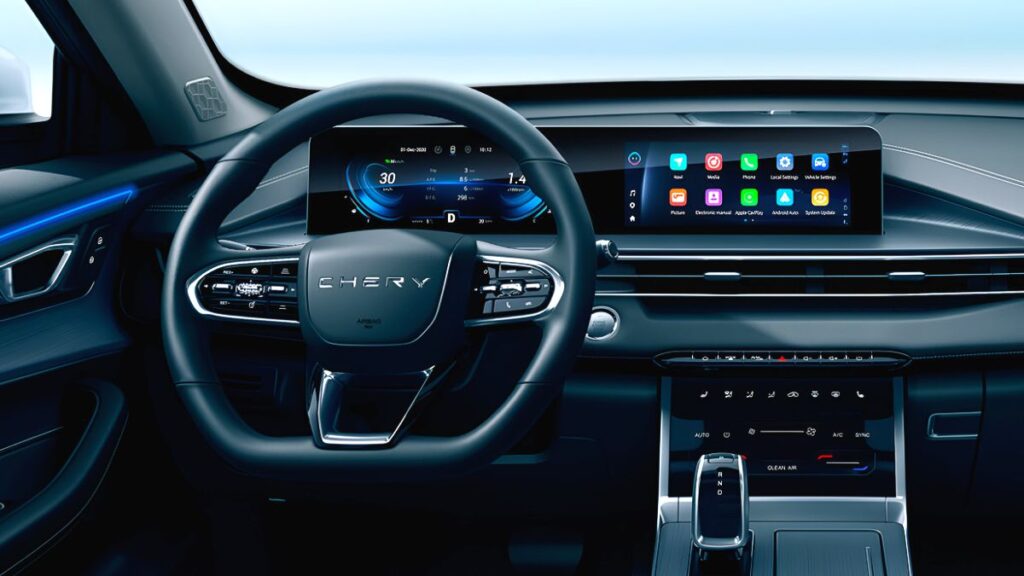
Against that backdrop, Chinese automaker Chery has turned heads in the global auto industry by launching a shockingly affordable hybrid sport-utility vehicle in Europe.
Foreign media and industry sources report that Chery officially launched the compact hybrid SUV Tiggo 4 in the U.K., pricing it from £19,995 (about $26,466; roughly 40.1 million KRW).
An overwhelming 20–30% price advantage over local rivals
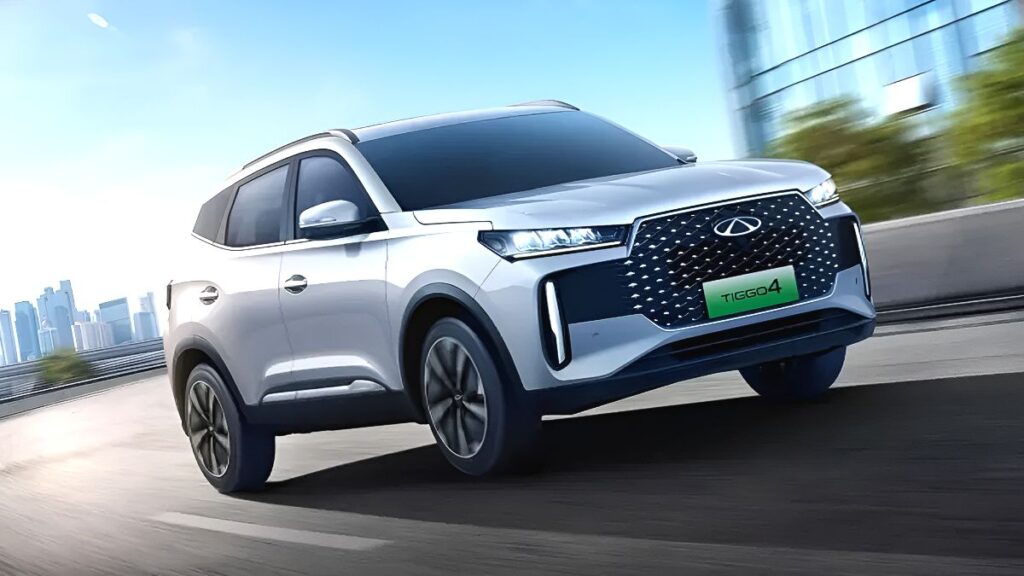
The Tiggo 4’s threat isn’t just its headline price; it’s the yawning gap between that figure and prices for comparable models in the U.K.
Sticker prices in the U.K. tend to run high.
For example, even the least expensive hybrid SUV on the market there, the Dacia Duster, starts at roughly £25,000 (about $31,750).
The similarly sized Hyundai Kona hybrid begins well above £31,000 (about $34,320; roughly 52 million KRW).
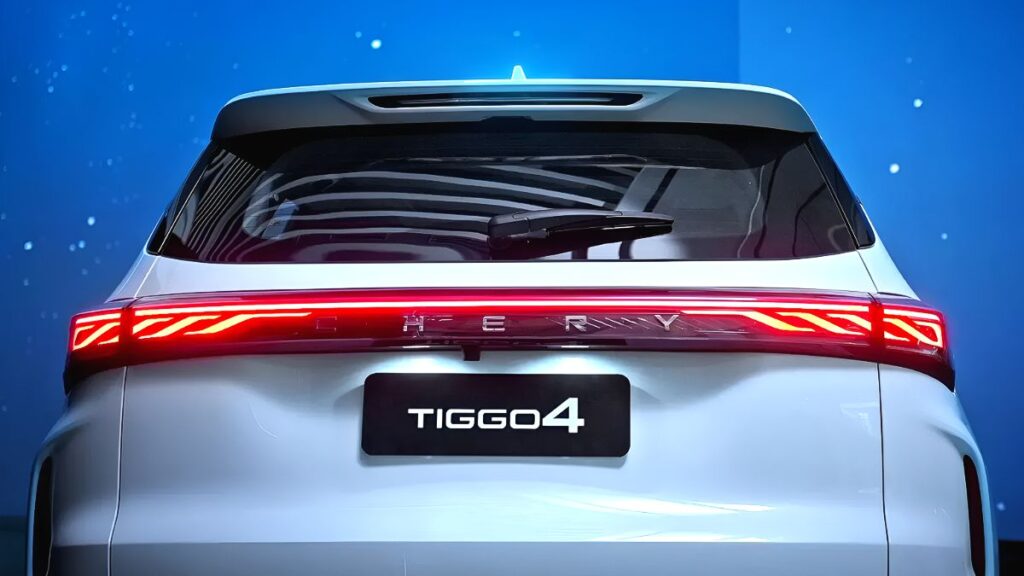
That puts the Chery Tiggo 4 at least £5,000 and as much as £11,000 cheaper than rivals (about $6,000–$13,500; roughly 8–18 million KRW).
With a sticker roughly 20–30% below local competitors, the Tiggo 4 magnifies the cost-saving appeal of hybrid powertrains and is likely to attract pragmatic U.K. buyers focused on running costs.
If it lands in Korea, a ‘value-for-money’ threat to Seltos and Kona
Market watchers are now eyeing the potential ripple effects Chery’s aggressive pricing could have if it enters the South Korean market.
Today, Korea’s small-SUV segment is dominated by Kia’s Seltos and Niro and Hyundai’s Kona.
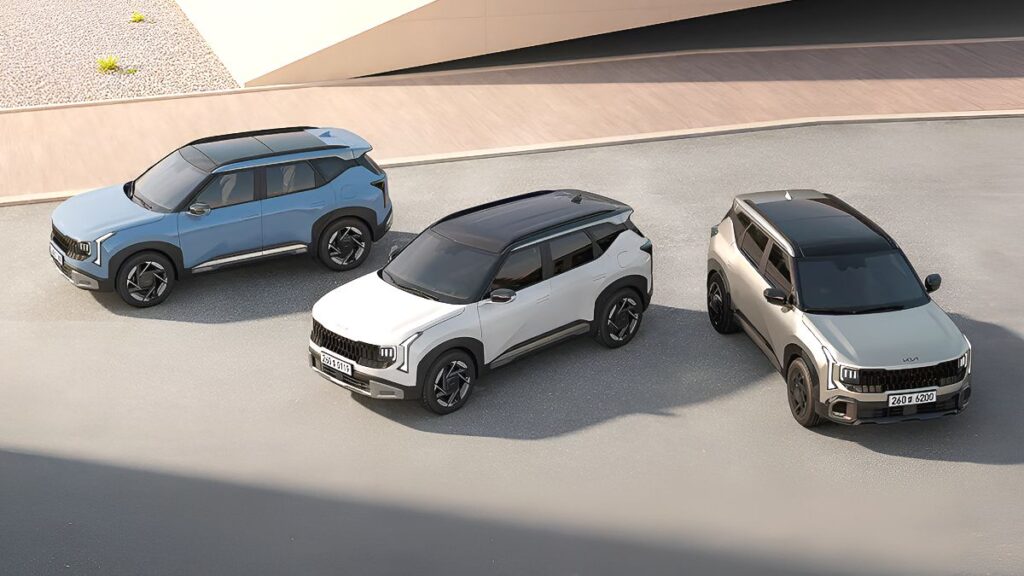
However, if buyers choose hybrid powertrains and add common convenience options, final transaction prices for those models are trending into the mid-to-high 30 million KRW range (roughly $22,500–$29,250). For many consumers, strong fuel economy alone hasn’t justified the higher sticker price.
If Chery translates the cost-saving measures it showcased in the U.K. into a Korean pricing strategy that is clearly below local rivals, analysts say it could quickly win over price-sensitive buyers in their 20s and 30s and shoppers looking for a second car.
Long-term durability and brand trust remain obstacles, but the industry is watching closely to see what impact an “overwhelmingly cheap hybrid” could have on the domestic market.













Most Commented