
SHEIN Reveals Surprising Insights: Why Korean Consumers Prioritize Personal Style Over Price in Fashion
Daniel Kim Views
Translation result
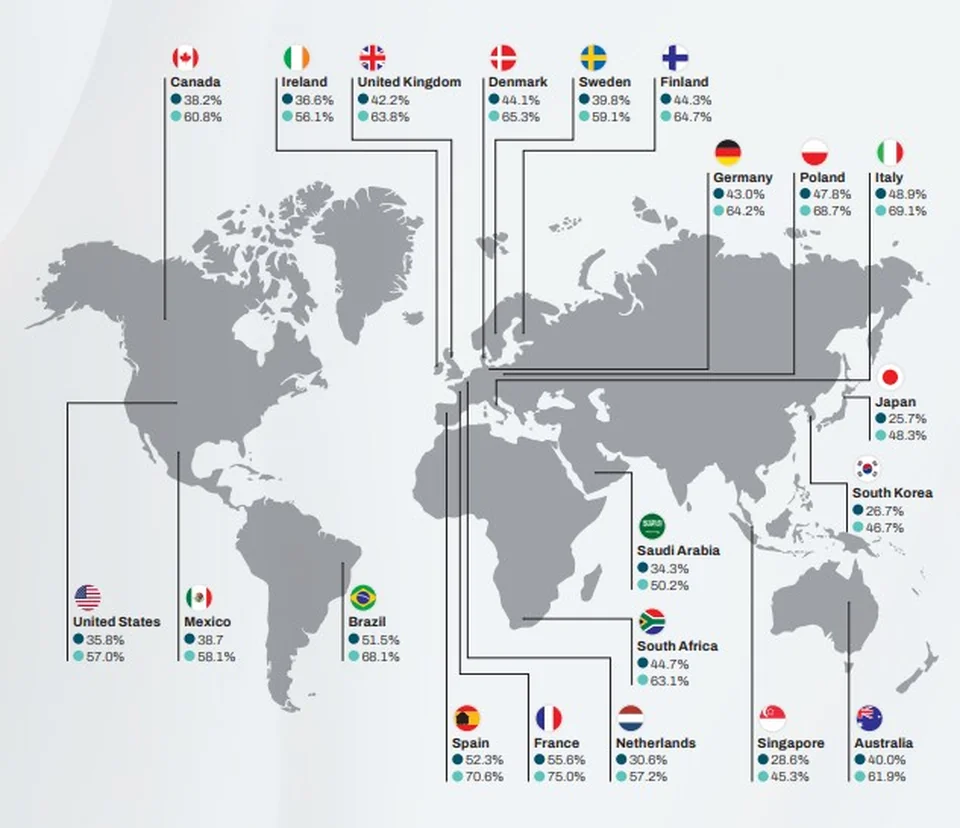
SHEIN, the global online fashion and lifestyle retailer, has published its 2025 Global Circular Economy Study. The report digs into how shoppers around the world buy, wear and care for clothing, and it spotlights unique consumption patterns and circular-economy engagement in the South Korean market. With sustainability and circularity becoming central to fashion conversations, understanding consumer behavior is more important than ever.
From November to December last year, the study polled 15,461 consumers aged 18–44 across 21 markets in the Americas, Asia‑Pacific, Europe, the Middle East and Africa. Researchers mapped behavior across the entire garment lifecycle — from purchase and wear to repair, reuse and recycling.
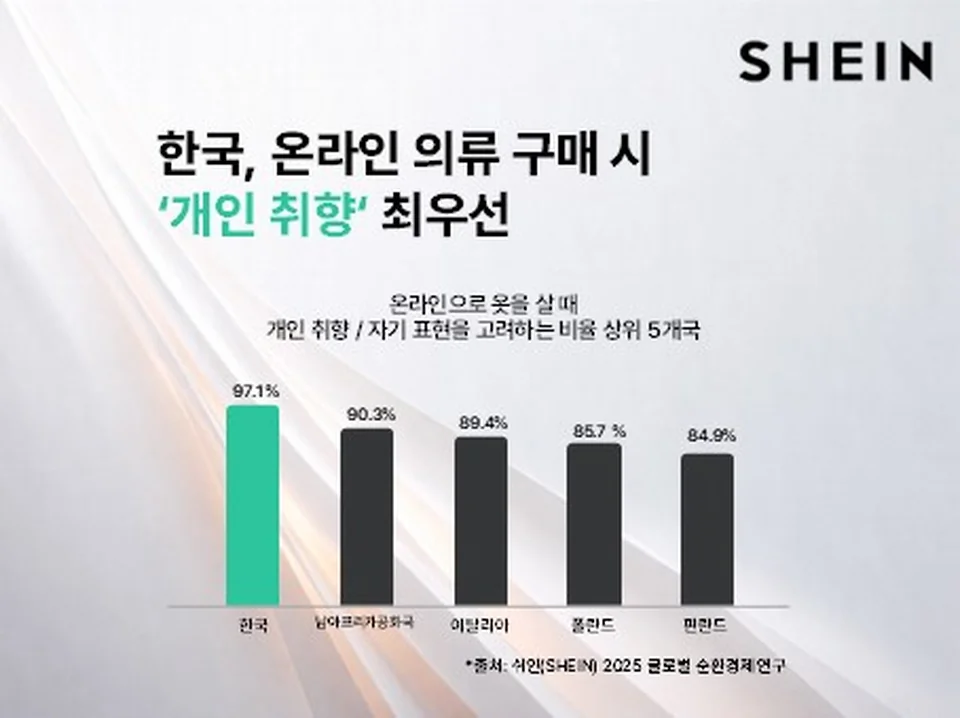
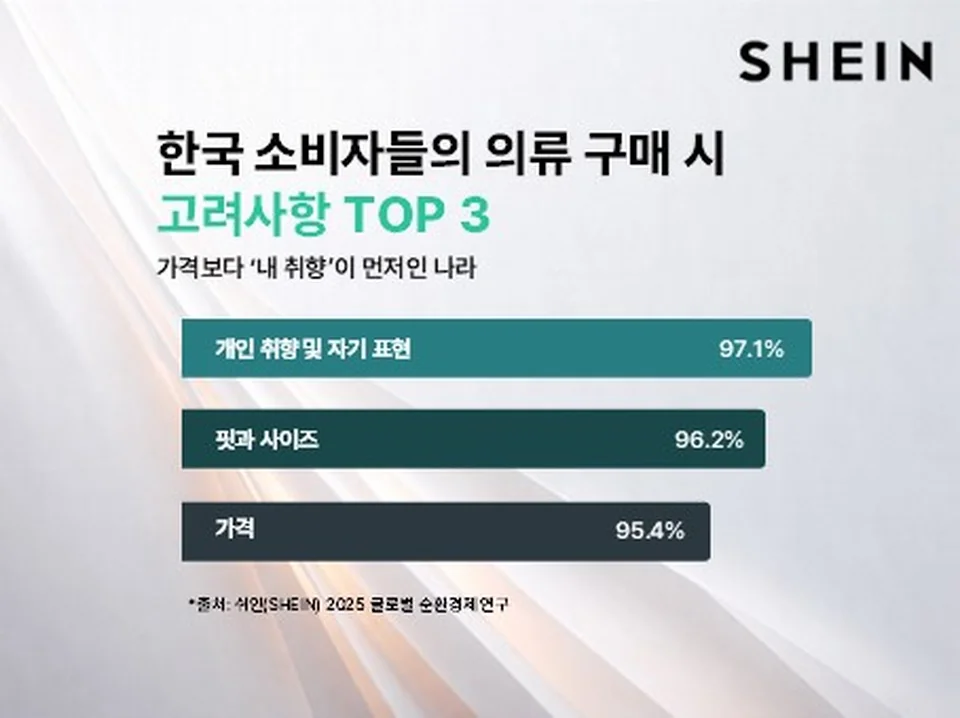
The findings show shoppers tend to prioritize practical factors — price, fit and how well an item fits their lifestyle — when buying clothes. While price topped the list in most markets, South Korean consumers were the only group out of the 21 surveyed to rank personal taste and self‑expression as their number‑one buying criterion. It points to a distinctly Korean approach: balancing personal style with smart spending.
Everyday circular habits — wearing items repeatedly, repairing them and passing them on — are already part of many consumers’ routines. More than half of respondents said they’ve worn a single garment at least 31 times, underscoring active efforts to extend clothing life. Notably, 58.3% of those who haven’t repaired clothes said they would if they had access to the right skills or information, signaling big potential to grow circular consumption.
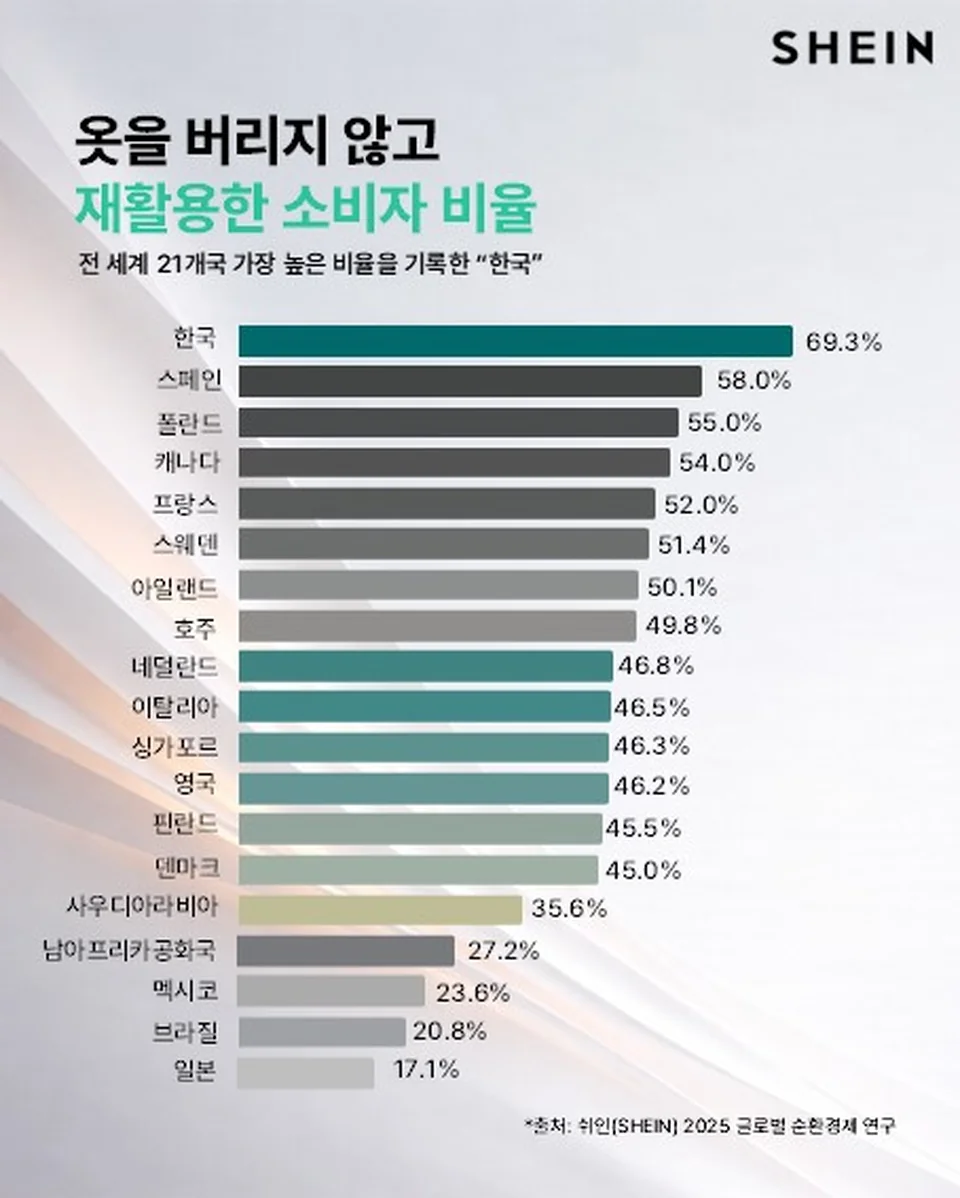
South Korea stood out for particularly high participation in clothing recycling, registering the highest recycling rate among the countries surveyed. The study links this to robust recycling infrastructure and a culture of routine waste sorting. Korean shoppers also showed a stronger tendency to engage in recycling and downcycling rather than donating, highlighting a distinctive ability to use circular systems.
These insights reinforce that consumer behavior is a key lever in the fashion industry’s shift toward sustainability. Circular programs are most effective when they fit easily into everyday life and lower barriers to participation. The study also found heightened interest among consumers in hands‑on initiatives like SHEIN Exchange and clothing collection programs, which supports that conclusion.
“This study shows consumers already practice circular activities like reuse and repair in their daily lives,” said Mustan Rallani, head of SHEIN’s global sustainability division. “SHEIN will strengthen circular‑economy efforts across the customer experience to make these behaviors easier and more natural.” He added that South Korea’s mix of style-seeking and waste-reduction instinct makes it an exciting market for scaling sustainable fashion and offers valuable lessons for the industry’s future.














Most Commented