
K-Beauty Boom: Why Food Companies Like Nongshim and Orion Are Venturing into Cosmetics
Daniel Kim Views

SisaWeek — Reporter Kim Ji-young Food companies diving into the beauty market are turning heads. Fueled by K‑beauty’s success, many are diversifying their portfolios. With competition heating up in the sector, observers are asking whether beauty can be a fresh revenue stream for food brands.
◇ K‑beauty boom… Will Nongshim and Orion join in?
According to the Ministry of Food and Drug Safety, South Korea’s cosmetics exports rose 12.3% last year to $11.43 billion (about 15.24 trillion KRW). This ongoing K‑beauty boom has food companies eyeing the cosmetics market.
On the 23rd, Nongshim announced it signed a memorandum of understanding (MOU) with cosmetics manufacturer FICC. Nongshim believes the collagen ingredient from its health supplement brand Raifil will create business synergies when paired with FICC’s cosmetics development expertise.
The company also drew attention on the 20th when it named third‑generation family member and Vice President Shin Sang‑yeol as an inside director. Since January 2024, Shin has led Nongshim’s Future Business Office and overseen the in‑house venture unit N‑start. Raifil grew out of that unit after the company validated its profitability and elevated it to a formal brand.
Shin’s promotion prompted speculation that he might push both the Raifil supplement business and new beauty ventures. Nongshim pushed back, saying Raifil is an existing business and that talk of an immediate expansion is overblown, though the company said it remains open to exploring beauty-related opportunities.
Orion Group also took steps last year: it added cosmetics sales responsibility to the business purpose of its subsidiary Jeju Yongamsu and filed the trademark LAVEA in September. The mark, registered on the 26th, covers products including lip balm, skincare items, sheet masks, facial cleansers, and hair-care products.
Orion says the trademark filing is intended to promote the excellence of Jeju Yongamsu and does not signal a move into the cosmetics business.
◇ Why the beauty business appeals
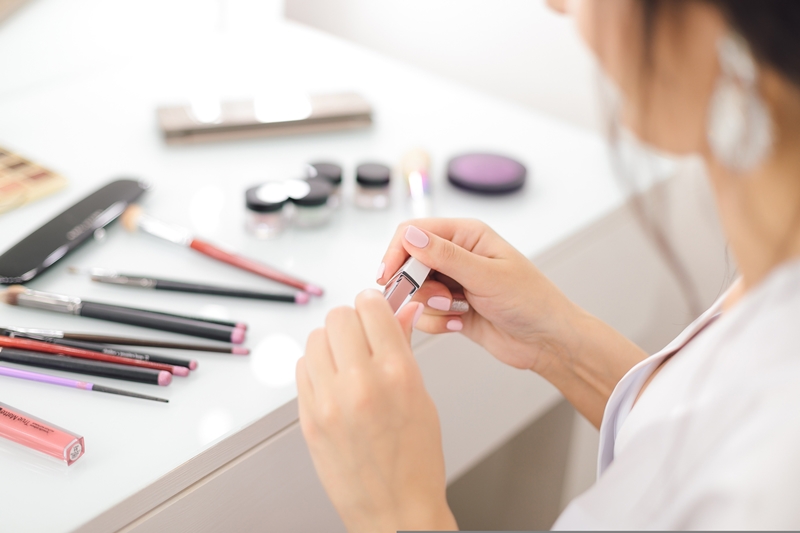
Food companies insist these moves aren’t full‑scale pivots into new industries. Still, there are solid reasons to prioritize beauty when considering business expansion.
First, profitability. Domestic‑focused food companies typically post operating margins around 2–3%. By contrast, the beauty sector is high‑margin, with average operating margins near 10%.
Second, there’s a natural overlap with existing food businesses. Industry insiders say a food company’s R&D, production, and marketing capabilities are directly transferable to beauty. For example, in May 2023, hy launched a skincare product built around its proprietary ingredient, Skin Probiotic 7714. That mirrors Nongshim’s move from ingestible collagen to topical collagen—expanding the company’s product scope.
Lee Young‑ae, a consumer studies professor at Incheon National University, said, “Because beauty and food are related industries, food companies find it easier to enter the beauty market. Growing interest in K‑beauty also encourages them to consider expansion. The food industry faces challenges from low birth rates and sluggish growth, while the beauty sector is relatively insulated from those pressures.”















Most Commented