
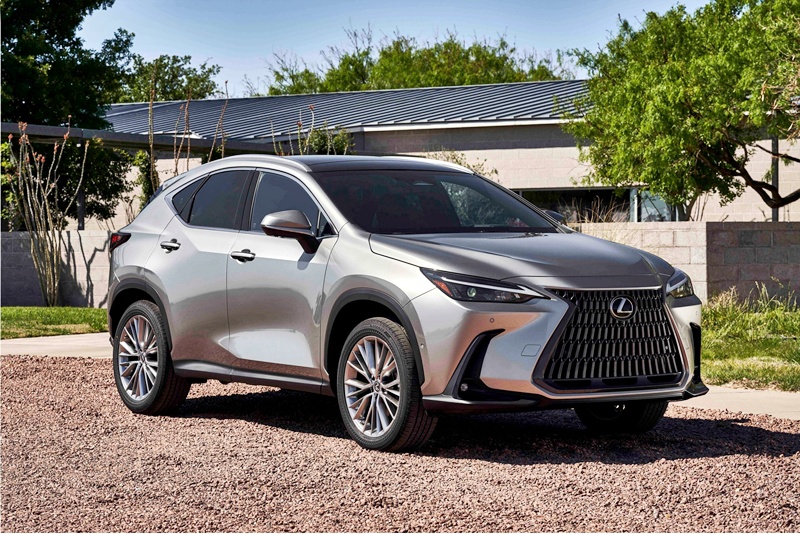
SisaWeek reporter Min Jegal The Lexus midsize SUV NX saw strong demand early this year, posting robust sales. With fuel prices spiking, fuel‑efficient Lexus and Toyota hybrid (HEV) models are drawing attention, raising expectations for sales growth this year.
Lexus sold 1,132 NX units in January–February, a 71.8% increase from 659 units in the same period last year. The NX accounted for 43.9% of Lexus’ January–February sales (2,577 units), making it a key contributor to the brand’s start‑of‑year performance.
Counting only imported internal‑combustion models for January–February, the NX ranked fifth in sales. Even when electric vehicles are included, it ranks seventh among best‑selling imported cars.
Moreover, the NX outsold the Mercedes‑Benz GLC when comparing SUV body styles only. If the GLC coupe is included, Mercedes‑Benz sold 1,554 units in January–February—higher than the NX—but the SUV‑only GLC moved 993 units. Excluding coupe derivatives, consumers appear to favor the Lexus NX over the Mercedes‑Benz GLC.
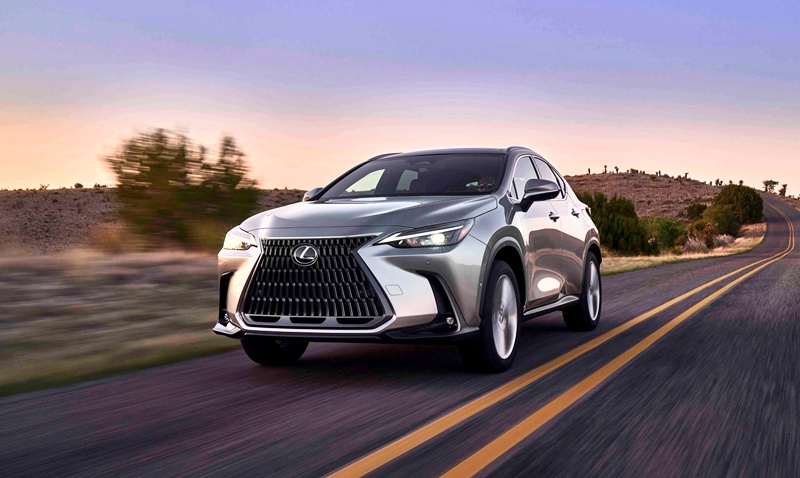
Only four imported internal‑combustion models outsold the NX: the Mercedes‑Benz E‑Class, BMW 5 Series, BMW X3 and BMW X5. Among imported internal‑combustion SUVs, the NX ranks in the top three.
Analysts attribute the NX’s popularity to its fuel economy. The NX is offered in two electrified variants: the HEV NX 350h and the plug‑in hybrid (PHEV) NX 450h+. Both carry a certified combined fuel economy of 14.3–14.4 km/L (about 33.6–33.9 mpg US) and a city rating of 15 km/L or higher (about 35.3 mpg). Owners report that real‑world fuel economy generally exceeds the official combined figures.
The PHEV NX 450h+ can travel more than 50 km (about 31 miles) in EV‑only mode. During the new NX’s domestic test‑drive event in South Korea, drivers who maximized EV mode over a 50 km run recorded fuel economy above 40 km/L (about 94 mpg), using roughly 1.2–1.3 L (about 0.32–0.34 gallons) of gasoline for that distance. With fuel prices climbing, Lexus models—including the NX PHEV—are likely to remain attractive to buyers.
Beyond the NX, Lexus equips its entire lineup sold in South Korea with HEV powertrains. Lexus’s HEV system differs from the mild hybrid (MHEV) setups many other import brands use to reduce emissions: Lexus and its Toyota sibling employ a “strong hybrid” architecture that actively uses the electric motor and battery during driving to maximize fuel efficiency. Toyota uses the same strong‑hybrid powertrain across most models sold locally.
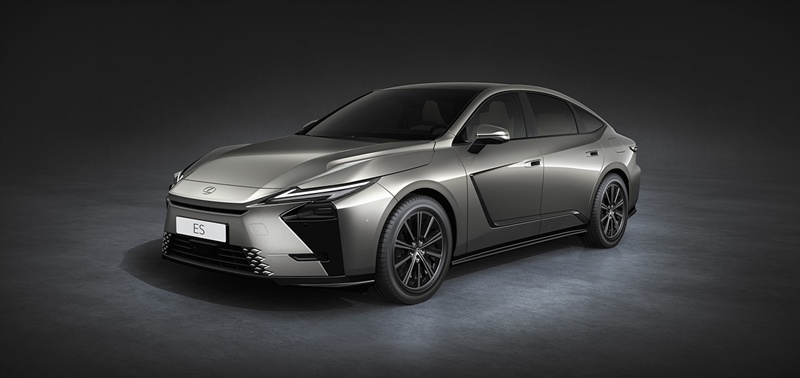
Lexus and Toyota are also preparing all‑new model launches this year.
Lexus will introduce the eighth‑generation ES near‑luxury sedan in the domestic market this year. Demand for imported near‑luxury sedans remains solid, and the new ES could act as a catalyst to boost Lexus sales.
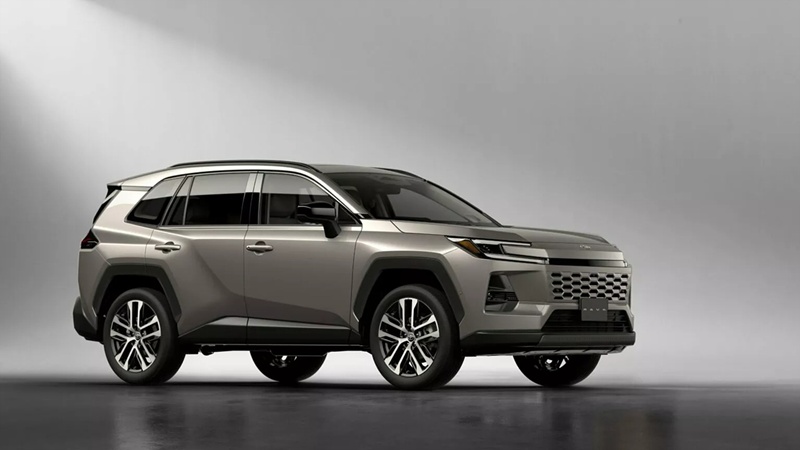
Toyota plans to launch the sixth‑generation RAV4 HEV compact SUV this year. The current fifth‑generation RAV4 HEV already uses an HEV powertrain, and Toyota Korea priced it competitively under 50 million KRW (about $37,500) despite increases since 2022. Pricing for the sixth‑generation RAV4 HEV will likely fall in the 40 million KRW to around 50 million KRW range (roughly $30,000–$37,500), depending on trim, which should attract buyers in a high‑fuel‑cost environment and support Toyota’s performance this year.
As fuel costs remain high, consumer interest in fuel‑efficient Lexus and Toyota models is expected to continue rising. Given these factors, Toyota’s domestic sales could top 10,000 units this year.
| Lexus NX sales and imported‑car best‑seller rankings, January–February 2026 | |
|---|---|
| March 27, 2026 | Korea Automobile Importers & Distributors Association (KAIDA) |














Most Commented