
Unlocking Food Literacy: How Hallym University Empowers Students for a Healthier Future
Daniel Kim Views
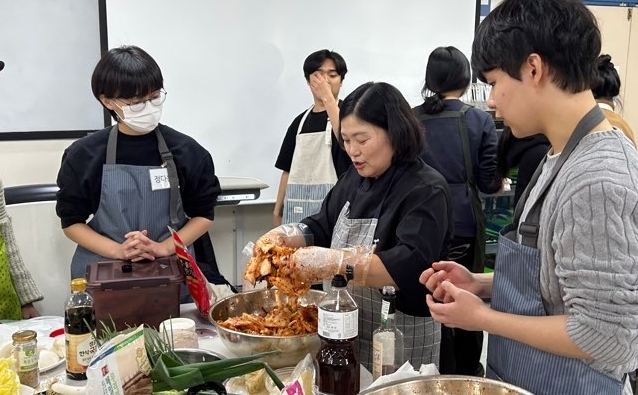
Hallym University has launched a formal “Food Literacy” course designed to help students build healthier eating habits and stronger self-care skills, offering a fresh model for general education.
On the 27th, Hallym University said Professors Park So-hyun and Min Kyung-ae of the Department of Food and Nutrition are leading efforts to deepen food literacy education so students can confidently make choices at every stage — from selecting and preparing food to consuming it.
Introduced as a freshman project elective in the second semester of 2024, the course is now in its fourth semester. It moves beyond nutrition lectures to include hands-on cooking labs, visits to local food producers, guest speakers, guided food meditation, and student research projects.
The university says the course helps students stop seeing food as mere fuel and start recognizing it as an integral part of life that links health, emotions, relationships, community, and the environment.
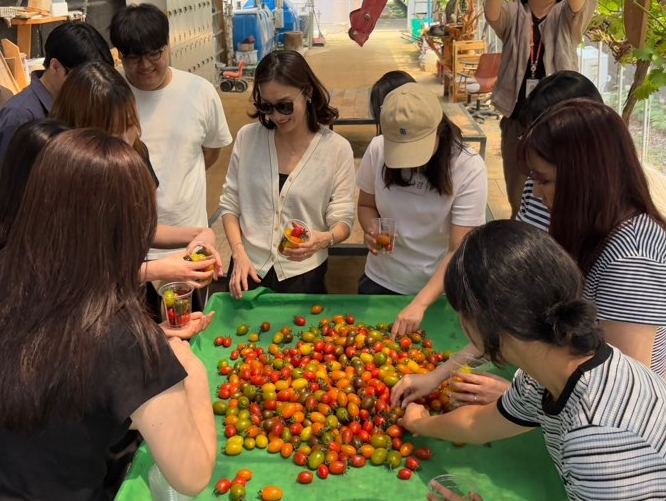
The university emphasizes that food literacy matters even more in the AI era. As students encounter food and nutrition information through search engines, recommendation algorithms, short-form videos, online platforms, and generative AI, the ability to judge accuracy and relevance becomes essential.
The course emphasizes practical, experiential learning: students handle ingredients, cook, visit production sites, and reflect on how food connects with the body and emotions. Hallym says this approach builds ecological literacy that goes beyond collecting facts to considering communal meals, local food culture, rural life, and the climate crisis.
Professor Park So-hyun said, “College years are a crucial time when lifelong eating habits form. Food literacy education isn’t just about knowing nutrition facts — it’s about empowering students to care for their own bodies and lives.”
Professor Min Kyung-ae added, “Food literacy reaches beyond personal health to include local food culture, agriculture, the environment, and community sustainability. Through activities that encourage students to think about their own health as well as the health of their community and the planet, they experience firsthand how food connects people and relationships.”












Most Commented