
Translation result.
China’s auto industry has overtaken Japan to claim the world’s top spot for the first time in 25 years. With electric vehicles at the center of its push, Chinese manufacturers have displaced Japan’s long-standing dominance in both the Asian market and across global markets.
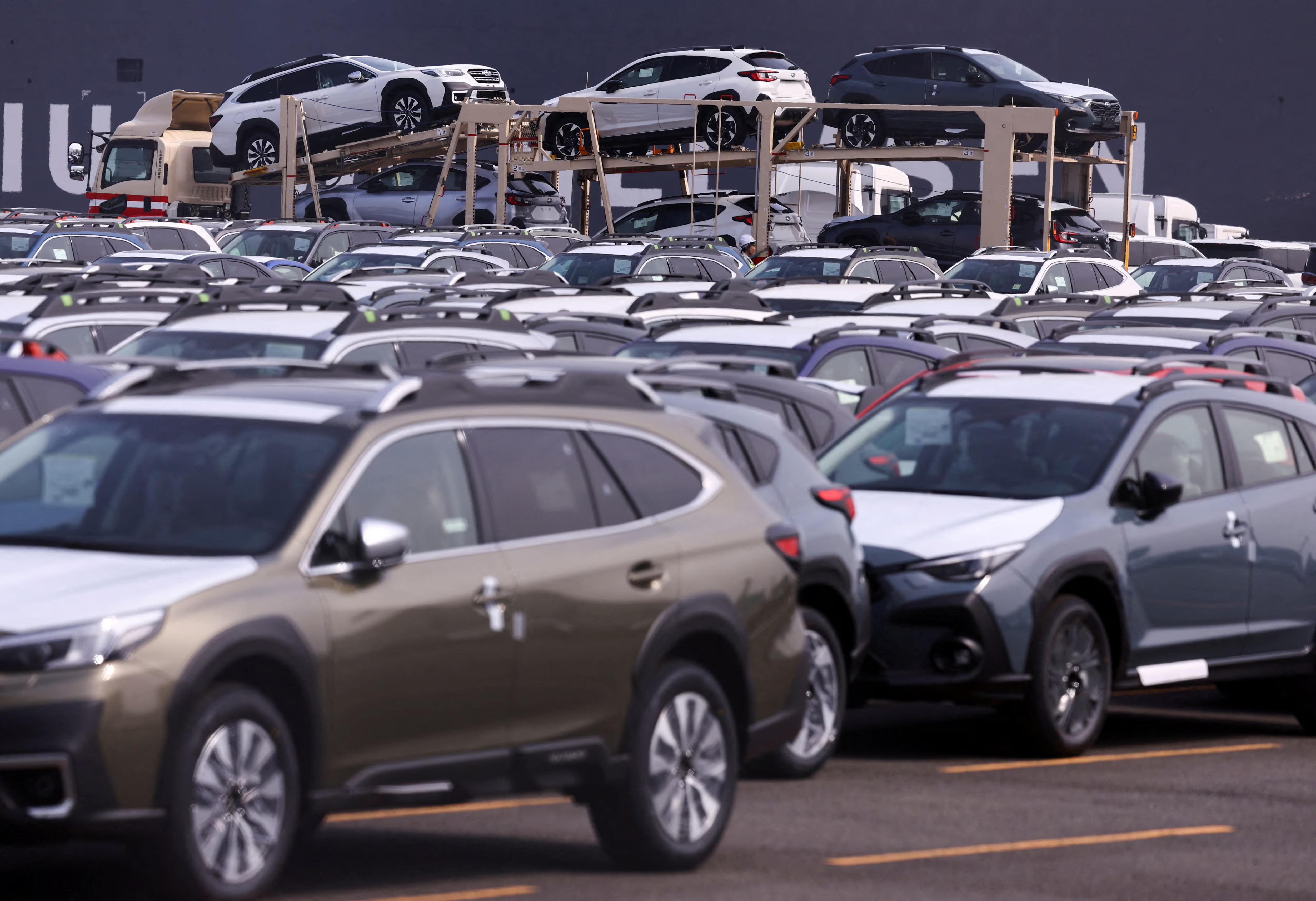
On the 22nd, citing reports from major outlets including the Nikkei and Reuters, aggregated 2025 new-car sales data showed combined sales of Chinese brands surpassed those of Japanese brands, putting China at No. 1 globally for the first time. It is the first time Japanese automakers have lost the global sales lead since 2000 — ending a 25-year run.
Analysts say China’s advance began when it seized early leadership in the market for eco‑friendly vehicles, especially battery-electric cars. The shift became concrete as BYD and Geely overtook Japanese stalwarts Nissan and Honda in sales. BYD, in particular, leveraged vertically integrated battery production to cut costs and rapidly grow its share in emerging markets such as Southeast Asia and South America.
Over the same period, Japanese manufacturers lagged in the EV transition as they leaned on hybrid powertrains that combine electric motors and gasoline engines. The delay left Japanese firms facing weak sales in China and eroding competitiveness overseas.
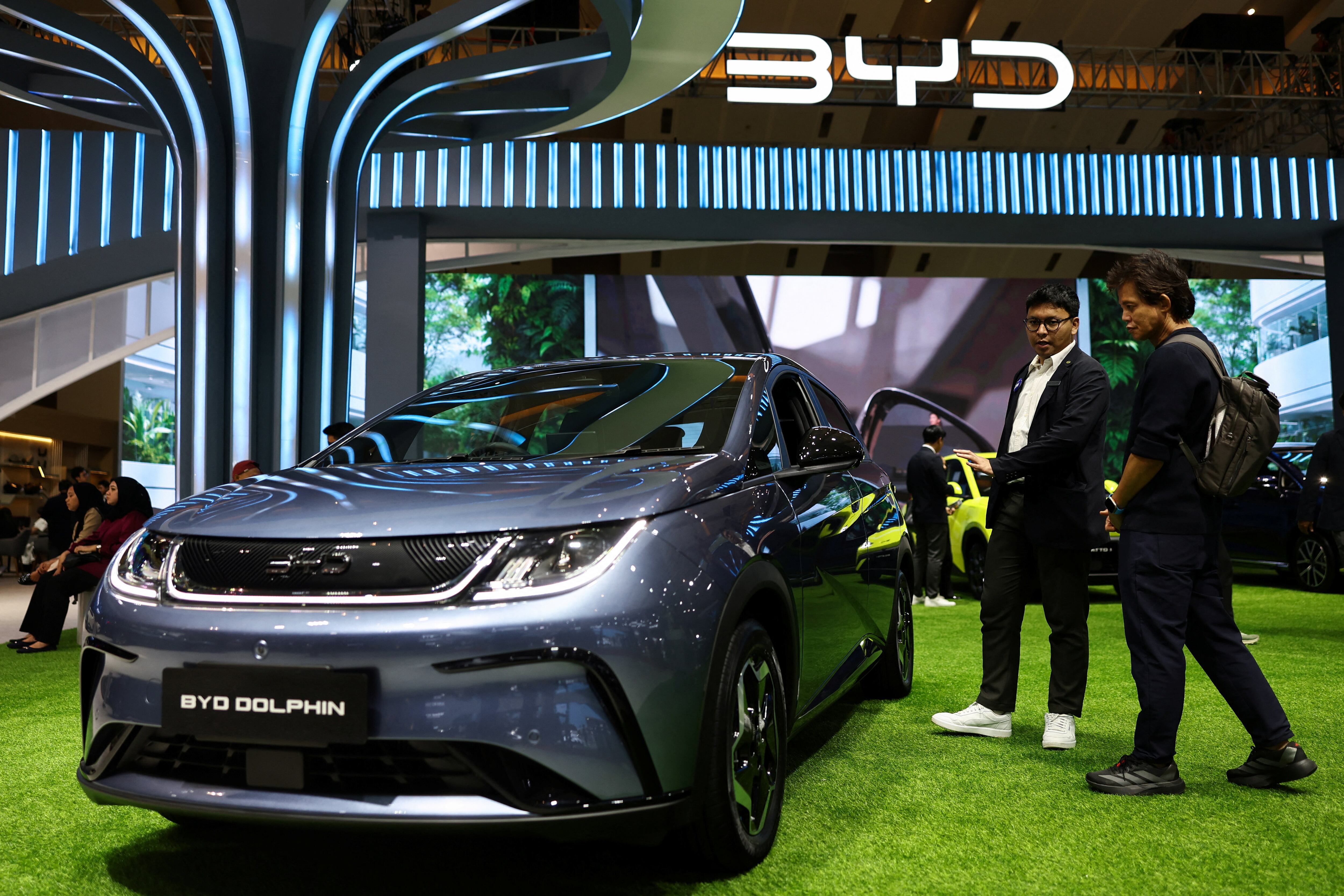
Many analysts warn that passing Japan may be only the first test for China’s auto industry. U.S. President Donald Trump continues to press for high tariffs on Chinese imports, while the European Union has finalized anti‑subsidy duties on Chinese electric vehicles, increasing regulatory pressure. At home, China is showing clear signs of slowing consumer demand amid a property-market downturn. Observers say the industry’s structural reliance on exports rather than robust domestic consumption could constrain future growth.
Sanshiro Fukaoka, chief researcher at the Itochu Research Institute, told the Nikkei that whether China can sustain its momentum depends on how effectively it develops overseas markets such as Europe and Southeast Asia. “Securing global production bases beyond the domestic market and managing geopolitical risks will be key to holding on to the No. 1 position,” he said.














Most Commented