
Hyundai Tucson Faces Class Action: What You Need to Know About ‘Phantom Braking’ Issues
Daniel Kim Views
Hyundai Tucson ‘Phantom Braking’ Controversy Sparks Class Action Lawsuit
Alleged FCA System Defect Raises Safety Concerns
Legal Battle Unfolds in U.S. Courts
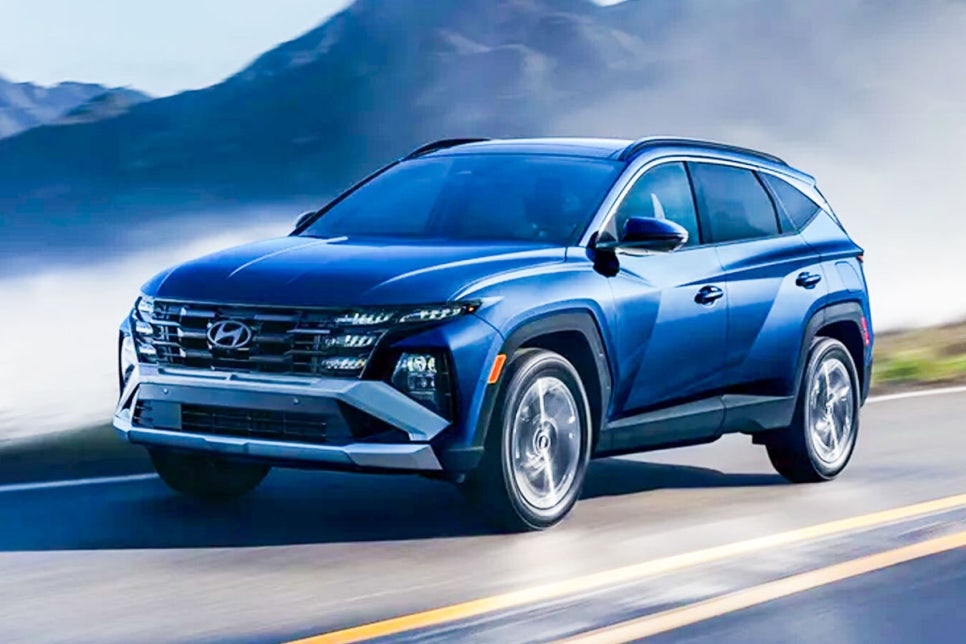
Hyundai Motor is facing a class-action lawsuit in the United States over alleged issues with its advanced driver-assistance systems (ADAS), specifically the forward collision-avoidance (FCA) system.
The lawsuit centers on reports of “phantom braking,” where vehicles allegedly engage in sudden, unexpected braking even when no obstacles are present on the road.
“Sudden braking with no apparent cause”
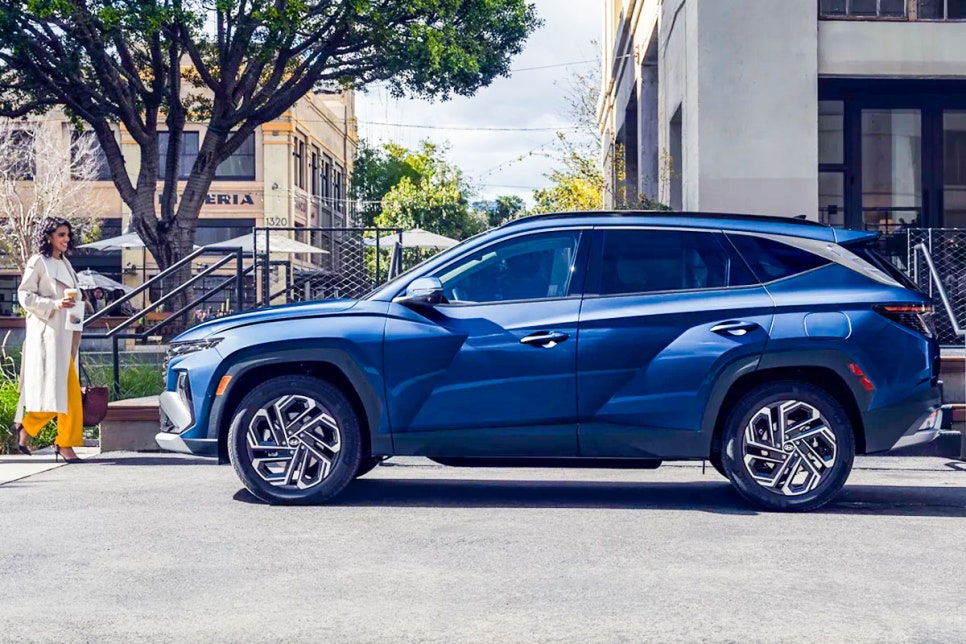
The case, filed in the U.S. District Court for the Central District of California, was brought by plaintiff Dennis Sparling. He claims his Tucson SUV repeatedly engaged in autonomous braking without any visible road hazards.
While no collisions or injuries have been reported as a result of these incidents, the lawsuit raises significant safety concerns.
Owner’s Manual Wording Under Scrutiny
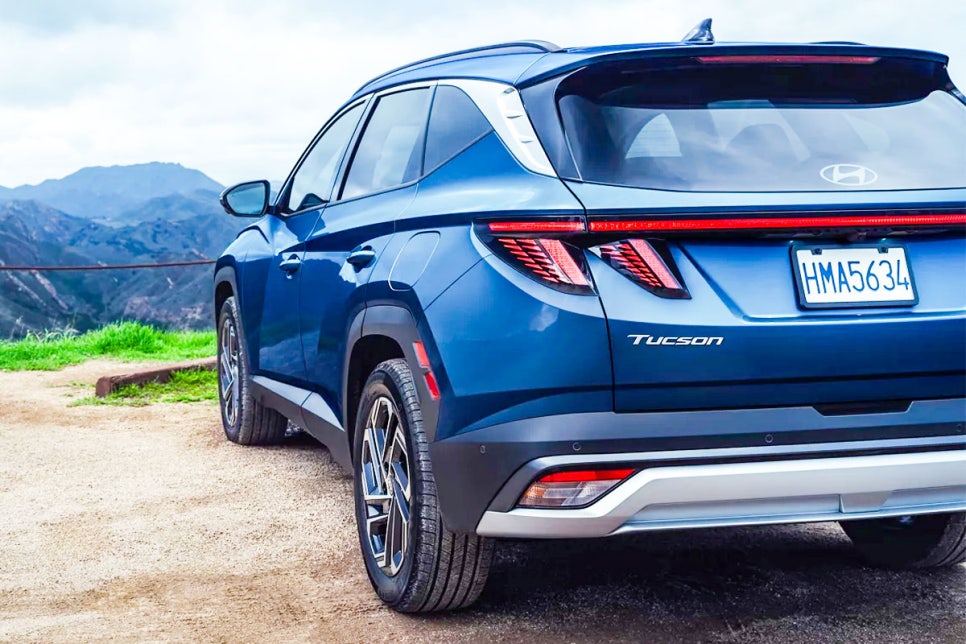
The plaintiffs’ legal team has highlighted specific language in the 2025 Tucson owner’s manual as evidence. The manual states that the FCA system may malfunction or activate unnecessarily due to various factors, including:
-
Light reflections on wet road surfaces
-
Unusual vehicle shapes ahead
-
Driving through tunnels or over bridges
-
Temperature fluctuations around the radar sensor
The lawsuit argues that these disclaimers indicate Hyundai’s prior knowledge of potential system flaws.
Implications for ADAS Technology and Industry Standards
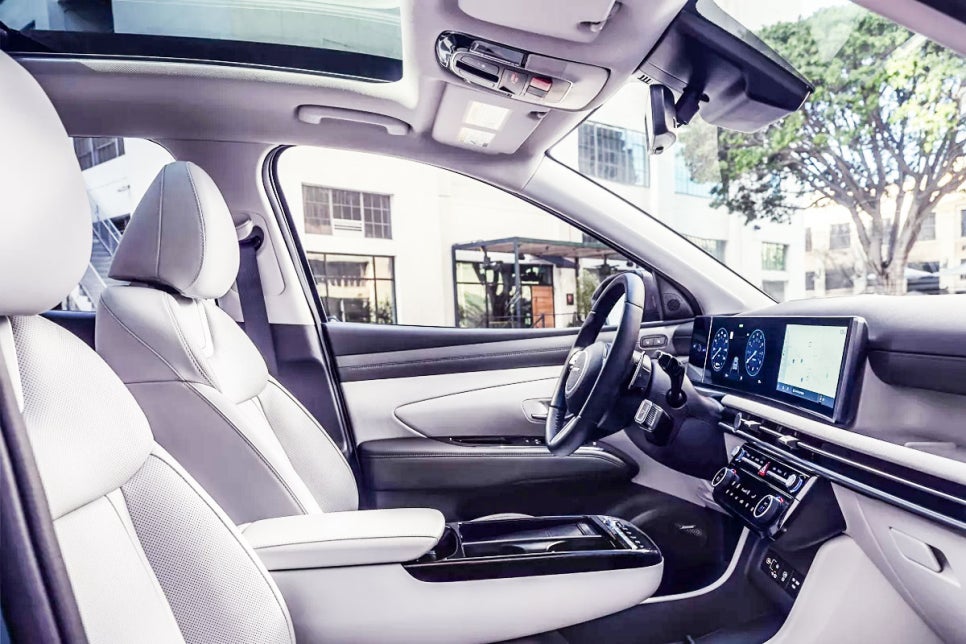
The plaintiffs contend that Hyundai’s warnings about potential system malfunctions were insufficient, particularly regarding the risk of unexpected braking at high speeds.
Legal experts suggest that the outcome of this case could have far-reaching implications for the automotive industry, potentially reigniting debates over ADAS technology reliability and safety standards.
As the case proceeds through the court system, it will likely draw attention from regulators, consumer advocacy groups, and other automakers investing heavily in autonomous driving technologies.















Most Commented