
Fluorite vs. Traditional Engines: Which Game Engine Will Dominate the Future of Automotive Infotainment?
Daniel Kim Views
● Game engine-based digital cockpits enable 3D tutorials and real-time environmental mapping
● Fluorite delivers console-quality graphics on low-spec automotive hardware
● Toyota Connected and Automotive Grade Linux join key industry players in development
● Emerging as a cost-effective alternative to high-priced commercial game engines
Game Engines Drive Next-Gen Digital Cockpits
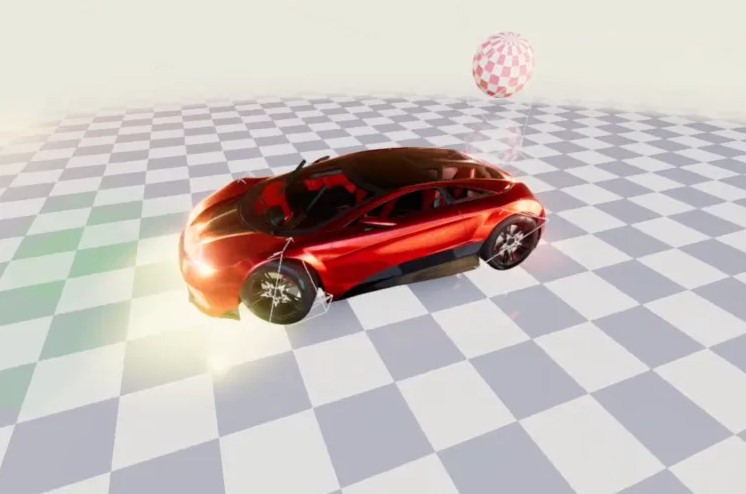
Game engines are emerging as a cornerstone technology for next-generation automotive infotainment systems. At the recent FOSDEM 2026 conference in Belgium, Jamie Cover, lead engineer at Berry Good Ventures, showcased Fluorite, a purpose-built automotive game engine. This technology promises to revolutionize digital cockpits, offering everything from 3D vehicle operation guides to real-time environmental visualization.
Industry giants like Epic Games and Unity have already made inroads into the automotive interface market, providing powerful design and marketing visualization tools. In response, automakers are increasingly recruiting game designers to bolster their in-house capabilities. However, traditional commercial engines come with significant drawbacks, including hefty licensing fees and resource-intensive operations that strain typical automotive hardware.
Fluorite: Balancing Efficiency and Performance
Fluorite aims to address these challenges head-on. Billed as the first console-grade game engine fully integrated with the Flutter SDK, it delivers optimized performance for embedded automotive systems while matching the graphics capabilities of high-end gaming consoles. This breakthrough could enable even entry-level vehicles to feature sophisticated graphic interfaces, despite their hardware limitations.
The project has attracted heavyweight partners, including Toyota Connected North America and Automotive Grade Linux. While Fluorite is still in its early stages, the development team is actively seeking collaborations to establish a common industry roadmap. The automotive sector is watching closely to see if this initiative could lead to an open-source standard for in-vehicle game engines.
By Won Sun-woong (Global Auto News Reporter)
#Automotive#GameEngine#Fluorite#DigitalCockpit#ConnectedCar#Mobility#Toyota#Infotainment














Most Commented