

Choi Min-hee, chair of the National Assembly’s Science, Technology, Information, Broadcasting and Communications Committee (STIBC), announced on February 10 during a plenary session, “The selection process for BMCC and Broadcasting and Media Communications Review Committee (BMCRC) members is complete. The BMCC appointments will be put to a vote in the National Assembly plenary session on the 12th.”
However, Choi Hyung-doo, the People Power Party’s STIBC secretary, clarified, “While we’ve made recommendations, it’s not a final decision from party leadership. The Public Official Recommendation Committee is still conducting their final review.”
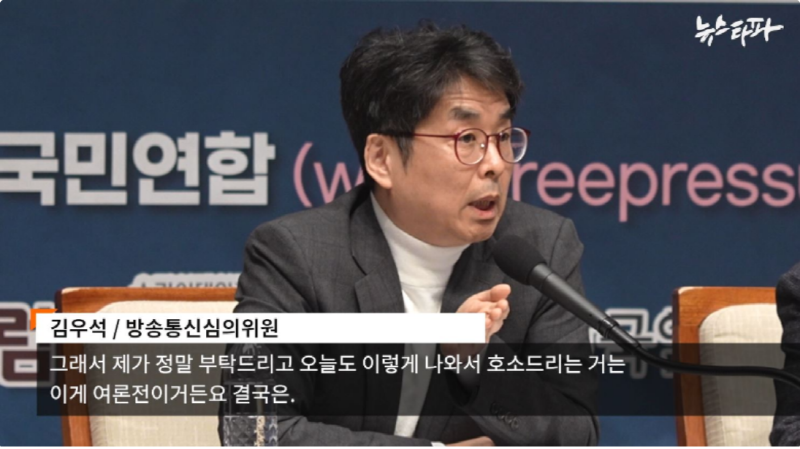
In a January 8 column titled “The Embarrassment of the BMCC,” Kim Woo-seok, a visiting professor, argued, “Since the inception of the Broadcasting and Communications Commission, questions about the necessity of such a government body have persisted. Despite explanations about the unique role in managing public discourse in broadcasting and communications, skepticism remains. This is due to repeated legal missteps that deviate from the organization’s core purpose. The most glaring issue now is the new name. BMCC is an illogical choice. Academically, ‘broadcasting’ and ‘communications’ are subsets of ‘media.’ When distinction is necessary, we use terms like ‘broadcast media’ or ‘communication media.’ Ultimately, the policies primarily target ‘media’ as a whole.”
Choi Soo-young, a potential non-standing committee member, previously served as an administrative officer in the Park Geun-hye administration and led the Viewer Media Foundation’s management planning department. Song Young-hee, another candidate, is a former executive at KT and LG Household & Health Care, currently serving as an adjunct professor at Chung-Ang University.
The Democratic Party had earlier nominated Professor Ko Min-soo from Gangneung-Wonju National University for a standing committee position and Professor Yoon Sung-ok from Kyonggi University for a non-standing role.












Most Commented