Translation result.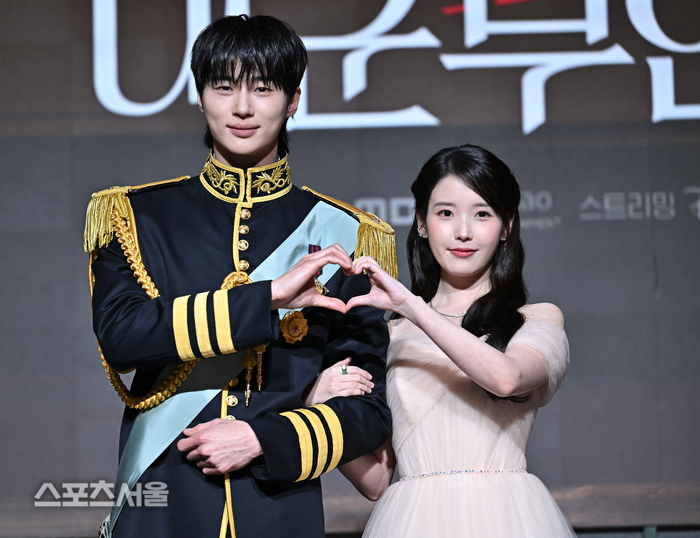
【スポーツソウル | ペウギュン記者】 MBCドラマ『21世紀大君夫人』が歴史歪曲をめぐる論争に包まれ、最終的に脚本家が公式に謝罪した。
IUやビョン・ウソクに続き、演出や脚本陣も相次いで謝罪した。一部では「東北工程の口実を与えた」との批判が続き、政府による制作支援金の返還要求まで取り沙汰される事態になっている。
論争の中心となったのは、15日に放送された第11話の即位式の場面だ。
劇中で臣下たちが王に「万歳」ではなく「千歳」と叫び、王が皇帝ではなく諸侯を象徴する「九流冕冠」を着用する場面が描かれた。視聴者からは「朝鮮が中国の属国のように描かれている」「朝貢の礼儀をそのまま踏襲している」と強い反発が起きた。
とりわけ「東北工程の論争に利用されかねない」といった批判が噴出し、論争は歴史認識の問題へと拡大した。
結局19日、脚本を担当したユ・ジウォン作家がドラマの公式サイトに謝罪文を掲載した。
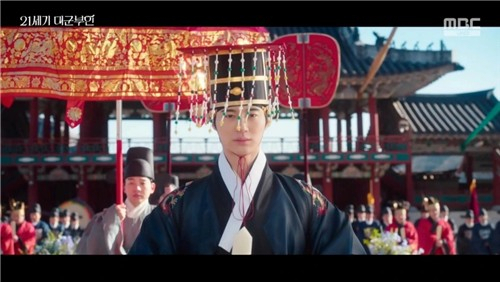
ユ作家は本作を「架空の立憲君主国を舞台にしたロマンス・ファンタジー」と位置付けつつも、「朝鮮の礼法を現代に適用し、架空の現代王室を描く過程で徹底した資料調査と考証が不足していた」と認めた。
とくに問題視された場面については、「即位式で指摘を受けた九流冕冠や『千歳』と叫ぶ描写は、歴史的文脈を細かく検証できなかった私の不手際だ」と謝罪した。
これに先立ち主演のIUとビョン・ウソクも論争直後に謝罪文を出している。
IUは「ドラマの歴史考証について、もっと深く考えるべきだったと反省している」と述べ、ビョン・ウソクは「今後はより慎重で深い姿勢で作品に臨む」と表明した。
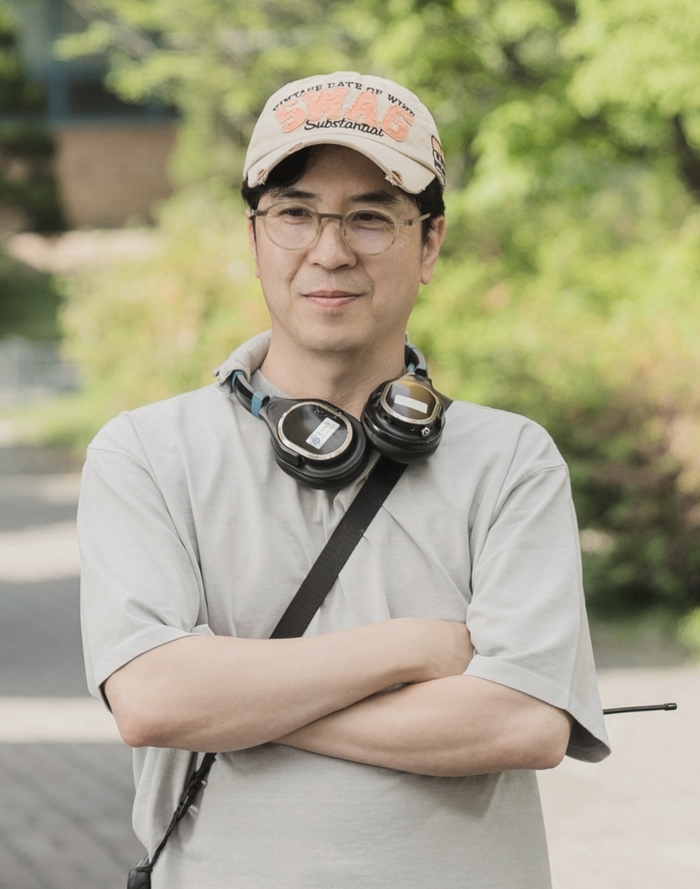
パク・ジュンファ監督もインタビューで「ファンタジーだからといって現実と異なる点を安易に済ませてしまった」と認め、「最終的な判断ミスとミスは私の演出責任が最も大きい」と述べた。
制作陣は、その後の再放送とVOD、OTTサービスで問題となった「千歳」シーンの音声と字幕を修正すると発表した。
一方、論争は政府の支援金問題にまで広がっている。
最近、オンラインコミュニティではある市民が放送メディア通信委員会と韓国放送通信電波振興院に対し『21世紀大君夫人』に関する支援金の返還可能性を問い合わせたという投稿が拡散した。
だが放送メディア通信委員会は「制作費の支援は行っていない」と説明し、「カン国際シリーズフェスティバル参加関係者に対する航空・宿泊費の一部を一度限りで支援しただけだ」と付け加えた。
『21世紀大君夫人』は2022年のMBC脚本公募展の当選作で、放送前からIUとビョン・ウソクのキャスティングで大きな話題を呼んだ。しかし放送中は世界観設定や演技、歴史考証の問題が繰り返し取り上げられ、結局終了直後まで激しい論争に巻き込まれることになった。
kenny@sportsseoul.com
The most important aspect of all translation processes is## HTML 콘텐츠 번역 규칙 (따옴표 및 누락 속성 처리 엄격 유지)HTML 콘텐츠 번역 시 다음 규칙을 `가장 높은 우선순위로` `절대적으로 준수`해야 합니다.1. **`모든` HTML 태그 및 `기존` 속성 구조 `절대` 보존**: * 새로운 HTML 태그를 `절대` 생성해서는 안 됩니다. * `[first translated result]`에 이미 존재하는 `모든` HTML 태그(예: `
`, `
`, `![]() ` 등)는 그 형식과 내용을 `어떠한 변경이나 삭제 없이` `[first translated result]에 존재하는 그대로` 최종 번역 결과에 포함해야 합니다. * `특히` `기존` 속성(Attribute)의 `큰따옴표()`는 `어떠한 경우에도`, `단 하나도`, `절대` `생략하거나 변경해서는 안 됩니다.` `반드시 원본 형태 그대로` 유지해야 합니다.2. **`속성값` 처리 규칙 `강화` 및 `누락 속성` 추가**: * **`src` 속성값 `절대 보존 및 필수 확인`**: * `
` 등)는 그 형식과 내용을 `어떠한 변경이나 삭제 없이` `[first translated result]에 존재하는 그대로` 최종 번역 결과에 포함해야 합니다. * `특히` `기존` 속성(Attribute)의 `큰따옴표()`는 `어떠한 경우에도`, `단 하나도`, `절대` `생략하거나 변경해서는 안 됩니다.` `반드시 원본 형태 그대로` 유지해야 합니다.2. **`속성값` 처리 규칙 `강화` 및 `누락 속성` 추가**: * **`src` 속성값 `절대 보존 및 필수 확인`**: * `![]() ` 태그에 `src` 속성이 **`존재하는 경우`**에는 `[first translated result]`에 존재하는 `따옴표까지 포함하여` `절대` 변경되거나 유실되어서는 안 됩니다. **원본과 `100% 동일하게`** 최종 번역 결과에 반영해야 합니다. * 만약 `
` 태그에 `src` 속성이 **`존재하는 경우`**에는 `[first translated result]`에 존재하는 `따옴표까지 포함하여` `절대` 변경되거나 유실되어서는 안 됩니다. **원본과 `100% 동일하게`** 최종 번역 결과에 반영해야 합니다. * 만약 `![]() ` 태그에 `src` 속성이 **`누락된 경우`**에도, `src=`를 `절대` `임의로 추가해서는 안 됩니다.` 원본의 구조를 그대로 유지해야 합니다. (`src`는 이미지 소스를 지정하는 필수 속성이므로, 누락 시 원본 자체가 유효하지 않을 가능성이 높습니다.) * **`alt` 속성값 `강력 처리`**: * `
` 태그에 `src` 속성이 **`누락된 경우`**에도, `src=`를 `절대` `임의로 추가해서는 안 됩니다.` 원본의 구조를 그대로 유지해야 합니다. (`src`는 이미지 소스를 지정하는 필수 속성이므로, 누락 시 원본 자체가 유효하지 않을 가능성이 높습니다.) * **`alt` 속성값 `강력 처리`**: * `![]() ` 태그 내 `alt` 속성을 처리할 때는 `다음 우선순위`를 따릅니다. 1. `alt` 속성이 **`이미 존재하고, 따옴표 안에 텍스트가 있는 경우`**(예: `alt=원본 텍스트`): **`따옴표는 유지하고`** 그 안의 `텍스트 콘텐츠만` 일본語로 번역합니다. 2. **`그 외의 모든 경우`** (예: `alt` 속성이 아예 없거나, `alt=` 형태가 아니거나, `alt=` 형태로 비어있는 경우 등): `웹 접근성`을 위해 **`무조건 alt=` 형태(`큰따옴표()` 포함)**로 **`새롭게 추가하거나 수정`**해야 합니다. 즉, `
` 태그 내 `alt` 속성을 처리할 때는 `다음 우선순위`를 따릅니다. 1. `alt` 속성이 **`이미 존재하고, 따옴표 안에 텍스트가 있는 경우`**(예: `alt=원본 텍스트`): **`따옴표는 유지하고`** 그 안의 `텍스트 콘텐츠만` 일본語로 번역합니다. 2. **`그 외의 모든 경우`** (예: `alt` 속성이 아예 없거나, `alt=` 형태가 아니거나, `alt=` 형태로 비어있는 경우 등): `웹 접근성`을 위해 **`무조건 alt=` 형태(`큰따옴표()` 포함)**로 **`새롭게 추가하거나 수정`**해야 합니다. 즉, `![]() ` 태그에는 `alt` 속성이 항상 `alt=텍스트` 또는 `alt=` 형태 중 하나로 존재해야 합니다. * **`title` 속성값 처리**: * `[first translated result]` 내에서 `title` 속성이 **`명시적으로 빈 문자열`(“)**로 지정된 경우, 이 **“ 문자열(`큰따옴표 두 개` “ “ `포함`된 그대로)**을 `절대` 삭제하거나 생략해서는 안 됩니다. * `title` 속성값이 텍스트를 포함하는 경우(예: `title=이것은 제목입니다`), **`따옴표()`를 포함한 속성 구조를 `그대로 유지`한 채 `따옴표 안의 텍스트 콘텐츠만` 일본語로 번역**해야 합니다. * 만약 `title` 속성이 **`아예 없는 경우`**, `임의로 추가하지 않습니다.`3. **최종 `강력` 확인**: 번역이 완료된 후, `모든` HTML 태그와 속성명, 그리고 **`따옴표()`를 포함한 `모든 속성값`**이 `[first translated result]`에 존재하던 것과 `정확히 동일하게` 유지되었는지, `특히` `src` 속성값은 `따옴표까지` `어떤 변경도 없이` 올바르게 포함되었는지, 그리고 `
` 태그에는 `alt` 속성이 항상 `alt=텍스트` 또는 `alt=` 형태 중 하나로 존재해야 합니다. * **`title` 속성값 처리**: * `[first translated result]` 내에서 `title` 속성이 **`명시적으로 빈 문자열`(“)**로 지정된 경우, 이 **“ 문자열(`큰따옴표 두 개` “ “ `포함`된 그대로)**을 `절대` 삭제하거나 생략해서는 안 됩니다. * `title` 속성값이 텍스트를 포함하는 경우(예: `title=이것은 제목입니다`), **`따옴표()`를 포함한 속성 구조를 `그대로 유지`한 채 `따옴표 안의 텍스트 콘텐츠만` 일본語로 번역**해야 합니다. * 만약 `title` 속성이 **`아예 없는 경우`**, `임의로 추가하지 않습니다.`3. **최종 `강력` 확인**: 번역이 완료된 후, `모든` HTML 태그와 속성명, 그리고 **`따옴표()`를 포함한 `모든 속성값`**이 `[first translated result]`에 존재하던 것과 `정확히 동일하게` 유지되었는지, `특히` `src` 속성값은 `따옴표까지` `어떤 변경도 없이` 올바르게 포함되었는지, 그리고 `![]() ` 태그의 `alt` 속성이 위의 규칙에 따라 `올바르게 존재하거나 추가 및 수정`되었는지 `반드시, 최종적으로, 철저하게` 재차 확인해야 합니다.4. Please identify parts of the translation that could be improved with more natural expressions. While it’s fine to follow the original text, please make adjustments where possible to create a more natural and fluent translation in Japanese.ex) – 米国大統領当選者 -> 米大統領当選者 – 誰が大統領の方針を実際に実現するか -> 誰が大統領の方針を実際に実現できるのか – 普段感情表現 -> 普段から感情表現 – 忠誠度及び忠実度 -> 忠誠心及び誠実さ – 新政府の内閣構成に向けた構想に入る中 -> 新政府の内閣構成に向けた構想を進める中 – 私の目的は、破壊的な人物の登用を阻止することだ -> 私の目的は、問題を起こす人物の登用を阻止することだ – おかげで急場を凌げた > おかげで助かった / おかげでピンチを乗り越えれた5. Please compare the [original text] with the [first translated version] to check for any grammatical errors, and make appropriate grammatical corrections to ensure that the translation remains true to the original text.6. Please take the following into consideration when making revisions. 아래 과정을 수행할때에도 @vi[numeric value]@# 유형의 문자는 삭제하거나 번역하지말고 그대로 유지해줘 – Check for any typos. – Check for any extremely unnatural Japanese. – Check whether specialized terms related to [POLITICS] are appropriately used and whether they are terms commonly used in Japan. – if the content is difficult to understand, adjust the paragraphs. – Check that proper nouns are used correctly. – Do not omit or delete any content. – Could you please rewrite the following paragraphs to sound more like what the LA Times journalist would have written?- You are a professional American journalist with a Ph.D. in. Journalism and Mass Communication. – Do not use polite forms like ‘desu’ or ‘masu’. – Grammatical Accuracy: Check if the translation is grammatically accurate according to Japanese language rules. 1) Vocabulary: Ensure that appropriate and natural vocabulary is used in Japanese. 2) Meaning Accuracy: Verify if the original meaning is conveyed accurately without distortion. 3) Readability: Confirm that the translation is easy to read and understand for Japanese readers. 4) Technicality: Check if the technical terms (such as in technology or law) are correctly translated. 5) Localization: Ensure that the translation fits the cultural and linguistic nuances for Japanese readers, considering natural phrasing and, if possible, aligning with the style of Japanese news articles. 6) Let me know if you’d like any adjustments! 7. Please verify if the content of the [original text] and the [first translated result] match 1:1. – Do not create or add any content that is not present in the original text. – Do not arbitrarily remove any content from the original text either.8. If the numbers extracted from the @vi[numeric value]@# format do not have the lowest number as 1 and the highest number as -1, the translation is correct. In such cases, use [Requests] properly to retranslate. 9. The final translated result should be provided in the format @k05@: Translation result. I do not want any additional responses like I understand the requirements and will provide the improved translation while maintaining the @vi[numeric value]@# tags. Here’s the final result: or similar expressions. ### **1. 절대적인 텍스트 대체/번역 실행 조건 :** * **만약 `[dictionary]` 섹션에 대체할 내용이 명확하게 제공된 경우에만,** 아래 `[번역 지침]`에 따라 `[Content]` 내의 특정 한국어 단어를 일본語로 대체/번역します。 * **만약 `[dictionary]` 섹션이 비어 있거나, `[dictionary]` 키워드 자체가 `[Content]` 내에 존재하지 않아 제공되지 않은 경우、** `[Content]`の内容を絶対に置換または翻訳しません。この場合、`[Content]`に含まれるすべてのテキストを(0番規定に従って構造的に処理された状態のまま)原文韓国語そのまま`[번역 결과]`セクションに出力し、以降の指示は一切適用しません。 ### **[번역 지침]** ### **1-1. 목표 및 역할 (텍스트 대체/번역が進行される場合に適用):** * **오직 `[dictionary]` 섹션에 명시된 한국語単語만日本語に置換/翻訳します。** * **`[dictionary]`에 없는 모든한국語テキスト (固有名詞を含む如何なる場合でも)は原文韓國語のまま維持し、一切変更または置換/翻訳しません。** * `[dictionary]`를 통한 단어 대체 시、原文のニュアンス、語調、意図を正確に伝えることを最優先とします。 ### **2. `[dictionary]` 처리 규정 (텍스트 대체/번역が進行される場合に適用):** * **`[dictionary]` 활용 최우선 및 번역 값 유효성 검사:** * 주어진 `[Content]`에서 `[dictionary]`에 명시된 ‘원본’ 단어가 발견되면、該当語を `[dictionary]`に記載された ‘日本語翻訳値’に置換します。 * **재판단 조건 명확화 및 최종 처리:** 1. 만약 `[dictionary]`의 ‘일본語翻訳値’가 **한국語文字(ハングル)で構成されている場合、** 그翻訳値は’日本語’とみなさず’韓国語固有名詞’として再判断し、必ず規則3-2または3-3に従って日本語直訳+`(韓国語原題訳)`処理を実行します。
` 태그의 `alt` 속성이 위의 규칙에 따라 `올바르게 존재하거나 추가 및 수정`되었는지 `반드시, 최종적으로, 철저하게` 재차 확인해야 합니다.4. Please identify parts of the translation that could be improved with more natural expressions. While it’s fine to follow the original text, please make adjustments where possible to create a more natural and fluent translation in Japanese.ex) – 米国大統領当選者 -> 米大統領当選者 – 誰が大統領の方針を実際に実現するか -> 誰が大統領の方針を実際に実現できるのか – 普段感情表現 -> 普段から感情表現 – 忠誠度及び忠実度 -> 忠誠心及び誠実さ – 新政府の内閣構成に向けた構想に入る中 -> 新政府の内閣構成に向けた構想を進める中 – 私の目的は、破壊的な人物の登用を阻止することだ -> 私の目的は、問題を起こす人物の登用を阻止することだ – おかげで急場を凌げた > おかげで助かった / おかげでピンチを乗り越えれた5. Please compare the [original text] with the [first translated version] to check for any grammatical errors, and make appropriate grammatical corrections to ensure that the translation remains true to the original text.6. Please take the following into consideration when making revisions. 아래 과정을 수행할때에도 @vi[numeric value]@# 유형의 문자는 삭제하거나 번역하지말고 그대로 유지해줘 – Check for any typos. – Check for any extremely unnatural Japanese. – Check whether specialized terms related to [POLITICS] are appropriately used and whether they are terms commonly used in Japan. – if the content is difficult to understand, adjust the paragraphs. – Check that proper nouns are used correctly. – Do not omit or delete any content. – Could you please rewrite the following paragraphs to sound more like what the LA Times journalist would have written?- You are a professional American journalist with a Ph.D. in. Journalism and Mass Communication. – Do not use polite forms like ‘desu’ or ‘masu’. – Grammatical Accuracy: Check if the translation is grammatically accurate according to Japanese language rules. 1) Vocabulary: Ensure that appropriate and natural vocabulary is used in Japanese. 2) Meaning Accuracy: Verify if the original meaning is conveyed accurately without distortion. 3) Readability: Confirm that the translation is easy to read and understand for Japanese readers. 4) Technicality: Check if the technical terms (such as in technology or law) are correctly translated. 5) Localization: Ensure that the translation fits the cultural and linguistic nuances for Japanese readers, considering natural phrasing and, if possible, aligning with the style of Japanese news articles. 6) Let me know if you’d like any adjustments! 7. Please verify if the content of the [original text] and the [first translated result] match 1:1. – Do not create or add any content that is not present in the original text. – Do not arbitrarily remove any content from the original text either.8. If the numbers extracted from the @vi[numeric value]@# format do not have the lowest number as 1 and the highest number as -1, the translation is correct. In such cases, use [Requests] properly to retranslate. 9. The final translated result should be provided in the format @k05@: Translation result. I do not want any additional responses like I understand the requirements and will provide the improved translation while maintaining the @vi[numeric value]@# tags. Here’s the final result: or similar expressions. ### **1. 절대적인 텍스트 대체/번역 실행 조건 :** * **만약 `[dictionary]` 섹션에 대체할 내용이 명확하게 제공된 경우에만,** 아래 `[번역 지침]`에 따라 `[Content]` 내의 특정 한국어 단어를 일본語로 대체/번역します。 * **만약 `[dictionary]` 섹션이 비어 있거나, `[dictionary]` 키워드 자체가 `[Content]` 내에 존재하지 않아 제공되지 않은 경우、** `[Content]`の内容を絶対に置換または翻訳しません。この場合、`[Content]`に含まれるすべてのテキストを(0番規定に従って構造的に処理された状態のまま)原文韓国語そのまま`[번역 결과]`セクションに出力し、以降の指示は一切適用しません。 ### **[번역 지침]** ### **1-1. 목표 및 역할 (텍스트 대체/번역が進行される場合に適用):** * **오직 `[dictionary]` 섹션에 명시된 한국語単語만日本語に置換/翻訳します。** * **`[dictionary]`에 없는 모든한국語テキスト (固有名詞を含む如何なる場合でも)は原文韓國語のまま維持し、一切変更または置換/翻訳しません。** * `[dictionary]`를 통한 단어 대체 시、原文のニュアンス、語調、意図を正確に伝えることを最優先とします。 ### **2. `[dictionary]` 처리 규정 (텍스트 대체/번역が進行される場合に適用):** * **`[dictionary]` 활용 최우선 및 번역 값 유효성 검사:** * 주어진 `[Content]`에서 `[dictionary]`에 명시된 ‘원본’ 단어가 발견되면、該当語を `[dictionary]`に記載された ‘日本語翻訳値’に置換します。 * **재판단 조건 명확화 및 최종 처리:** 1. 만약 `[dictionary]`의 ‘일본語翻訳値’가 **한국語文字(ハングル)で構成されている場合、** 그翻訳値は’日本語’とみなさず’韓国語固有名詞’として再判断し、必ず規則3-2または3-3に従って日本語直訳+`(韓国語原題訳)`処理を実行します。






コメント0