
Translation result.
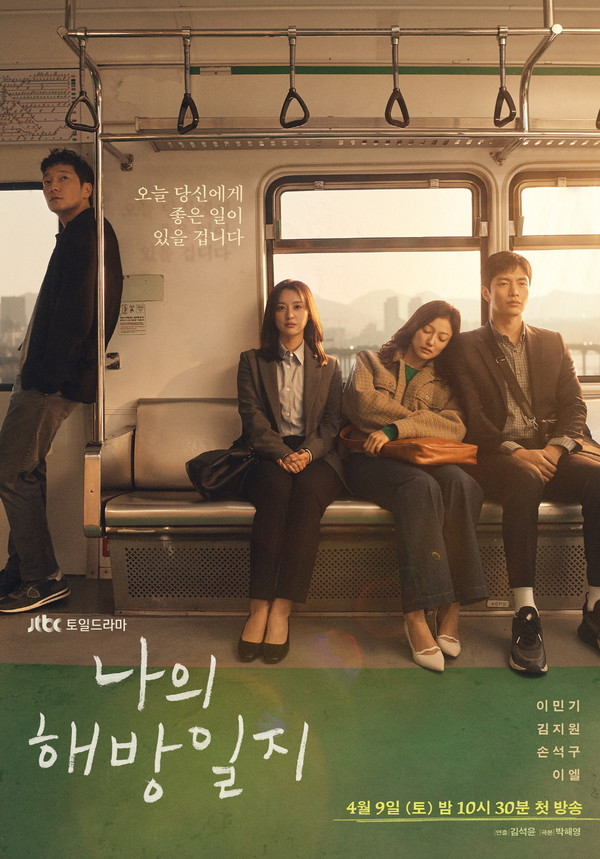
Korean dramas are slimming down. Series that once ran 16 episodes now end at 12, and 8- and 6-episode formats are becoming increasingly common. The types of projects being commissioned are narrowing too: revenge dramas, chaebol sagas, and thrillers. Stories that let relationships develop slowly are finding less room. Platforms are increasingly taking the lead in defining a story’s starting point and asking creators to fill in the rest. They call these shifts “efficiency.” But what was trimmed first wasn’t just episode counts or genre variety. Something quieter and more fundamental was cut earlier than those.
Why have global platforms chosen Korea? It wasn’t only because production costs are reasonable. A more persuasive explanation is that Korean creators offered narratives hard to reproduce elsewhere. Consider My Mister: its slow-building relationships, refusal to rush emotional beats, and commitment to the small textures of everyday life made it distinctive. That show wasn’t a Netflix original; it existed as a finished work before platforms amplified it. Platforms lifted that rare storytelling sensibility onto the global stage. Yet as they turned that success into a formula, they began, quietly, to erase the very sensibility that had made it valuable.
Creators aren’t obliged to follow a platform’s formula. The problem is that the formula has started to look like the future of Korean content. Rapid immersion, sharp conflict, immediate payoff, and relentless twists have driven market momentum — that’s undeniable. But once a trend hardens into a rule, creators may start asking where to place a plot twist rather than where a story should go. Narratives tilt toward filling predictable pattern slots. Characters’ hesitations shrink, the time relationships need to mature is compressed, and the slow fermentation that makes stories resonate is treated as inefficiency. In platform-driven structures, what disappears first is time — not setting. Given that time has been a competitive advantage for Korean drama, this standardization is more than a formal change; it risks erasing what the world originally valued in Korean storytelling.
That sensibility has not disappeared entirely. My Liberation Notes was produced in the period of greatest platform pressure using a deliberately slow storytelling grammar — and it survived. The series initially drew little domestic attention, but after platform distribution it gained late-blooming word of mouth. That’s evidence the storytelling impulse still lives. Yet it also points to another truth: however strong a creator’s voice, it won’t reach global audiences without routes to market. And those routes don’t open by will alone.
The source of the power to open those routes becomes clear when two works are compared. The creator of Squid Game handed a long-unsold script to a platform and the show became a global phenomenon. Because the platform held the creative rights, the creator did not benefit from subsequent windfalls. The creator later said that, given the chance to renegotiate, he would have insisted on a contract that split rights. By contrast, the producer of Extraordinary Attorney Woo declined the same kind of offer. Backed by local capital, the producer retained creative rights, aired the show on domestic channels, and then expanded across multiple commercial avenues. The difference between the two outcomes was not about quality. It was about whether someone could say no at the negotiating table — and that position can be created.
Some markets have turned that negotiating position into law. In certain overseas jurisdictions, companies partnered with platforms but preserved story rights; in others, that allocation is enshrined in statute. What remains, then, is not distance but choice.
Choice does not open by will alone. Protecting Korean storytelling is not merely an aesthetic argument; it is an industrial survival strategy. A production company that depends on a single platform is in a weak negotiating position and finds it hard to refuse unfavorable terms. When local capital serves as a buffer, refusal becomes possible. Prioritize density over speed, cadence over shock. Production companies sustain creators’ roles. Local capital sustains production companies. When these three layers stand together, they preserve the time characters and emotions need to mature, the uncompressible texture of relationships, and the creator’s authority to determine a story’s starting point.
The future of Korean content is not about how deftly the industry repeats a success formula. It depends on whether the industry preserves what made the world choose Korea in the first place. The real danger is not missing a formula — it is losing what made Korea, Korea.
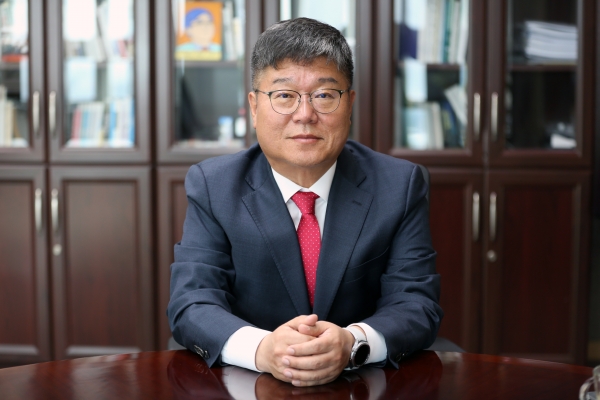
Jeong Han-geun, Advisor, Hwawoo Law Firm
– Former President, Korea Communications Agency (KCA)
– Former Director, Intellectual Property Strategy and Planning, National Intellectual Property Commission
– Former Spokesperson, Ministry of Science and ICT
– Former Director for Information Security Policy, Ministry of Science, ICT and Future Planning
– Former Director for Internet Policy, Ministry of Science, ICT and Future Planning
– Former Spokesperson, Ministry of Science, ICT and Future Planning
– Former Director of Broadcasting Promotion Policy, Korea Communications Commission














Most Commented