
Low fertility and the concentration of population in the Seoul metropolitan area have combined to make out-migration from provincial cities a persistent national challenge. Incheon—less able than Seoul or Gyeonggi to benefit from the spillover of large corporations—sits uneasily between the capital region and Korea’s provinces. That makes a tailored industrial strategy for Incheon essential.
As local elections approach, candidates are presenting competing visions for Incheon’s future. But one critical element is missing from most plans: a clear policy to nurture the aerospace and defense sector.
Korean defense exports and an aerospace renaissance are not political slogans; they are realities reshaping global markets.
In exports of weapons to NATO members, South Korea ranked tied for second with France, behind the United States. The maintenance, repair, and overhaul (MRO) market shows similar promise. The global MRO sector is expected to grow to roughly 180 trillion KRW (about $135 billion) by the 2030s, yet South Korea—while ranked eighth worldwide in air transport volume—relies on foreign providers for roughly 60% of its MRO needs.
Although Incheon hosts one of the world’s premier hub airports and therefore has strong advantages for capturing this market, policy proposals from the city’s two leading mayoral candidates offer little substantive planning on the issue.
This policy gap reflects a long-standing assumption: that defense belongs to Gyeongnam (South Gyeongsang Province), with its heavy-industry base.
But the conflicts in Ukraine and the Middle East have demonstrated that modern warfare is increasingly decided by software and electronics rather than sheer hardware. The competitive edge in defense and aerospace R&D lies in an industrial ecosystem that integrates advanced electronics, software, and precision components. If Gyeongnam’s strength is in production, Incheon’s advantage is that much of that ecosystem is already in place.
Moreover, today’s defense and aerospace industries cannot thrive globally without international partnerships and co-development. Major buyers of K-defense—countries such as Poland, Romania, and the Philippines—now demand technology cooperation and joint development, not simple off-the-shelf purchases.
Those partners seek cities with talent, an industrial base, and world-facing infrastructure. Incheon meets those criteria.
The central task, then, is a shift in mindset: treat R&D not as a subsidiary of production but as an industry in its own right.
Candidate Yoo Jeong-bok should return to his initial commitments and demonstrate his dedication to aerospace and defense development with concrete budgets and a clear roadmap—not only rhetoric. I urge candidate Park Chan-dae to expand his ‘ABC+E’ platform into ‘ABCDE+.’ Embracing D for Defense & Aerospace would materially change the weight and credibility of that platform. Leveraging this strength to become a global hub for aerospace and defense R&D is how Incheon can compete on the world stage.
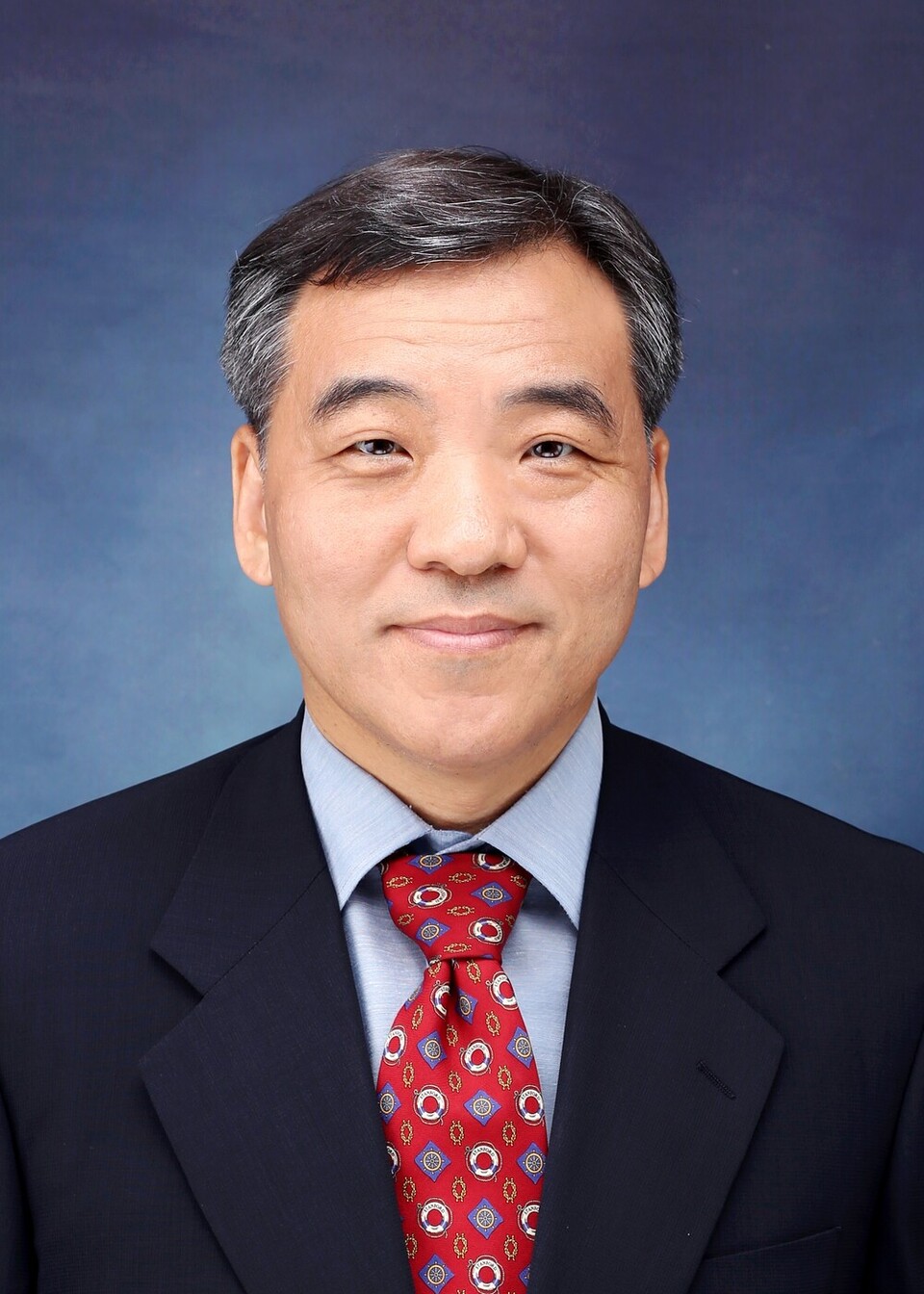
/Choi Ki-young, Dean, Graduate School of Aerospace and Defense, Inha University
/Kim Ching-woo, Reporter chingw@incheonilbo.com












Most Commented