
Translation result.
Neglecting battery, fuel or washer-fluid checks can leave you stranded
In winter, accidents are more often caused by neglect than by mechanical failure
As Seoul’s overnight low is forecast to dip to about 34°F (1°C) on Nov. 3, drivers should begin winterizing their cars. Components that respond directly to temperature — coolant, batteries and tires — can determine whether you get through the season without incident. Here’s what to inspect.
◆ Check coolant, washer fluid, and the heater before they freeze
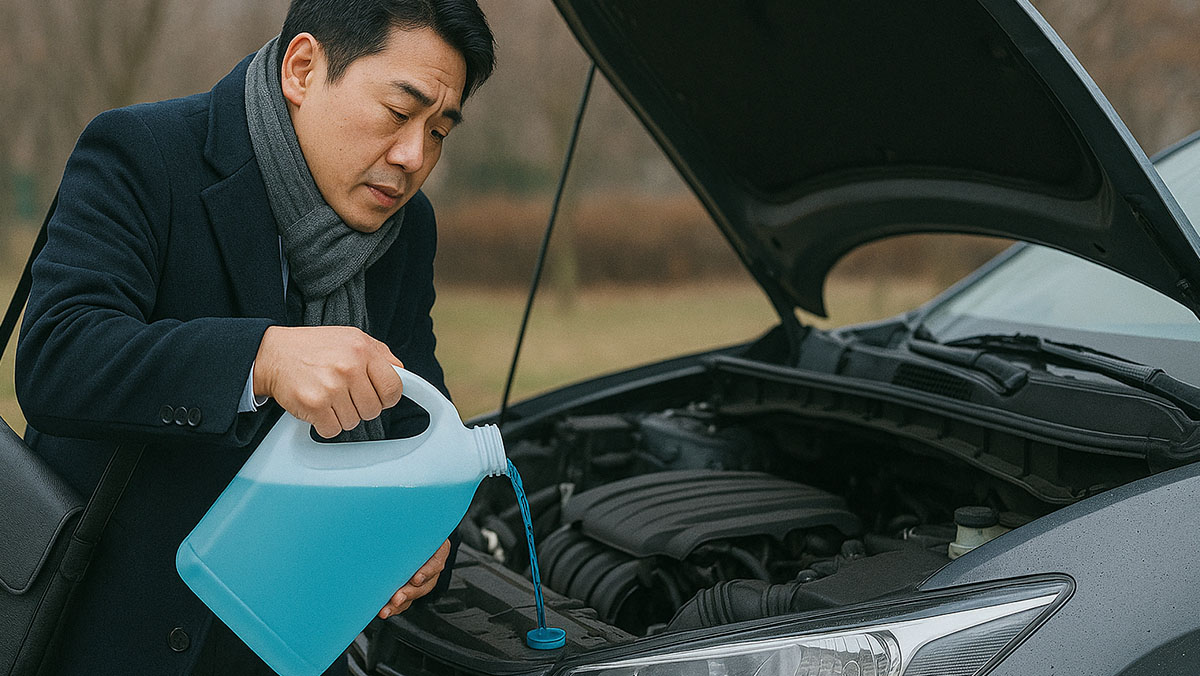
Coolant not only prevents engine overheating but also keeps the system from freezing. Technicians recommend using antifreeze that matches your vehicle maker’s specifications and checking the concentration. Old coolant loses effectiveness and can promote corrosion; if the reservoir looks discolored or contains visible debris, have it changed.
Most all-season washer fluids won’t freeze until around −13°F (−25°C), but confirm the freeze point of the fluid you use before cold weather arrives. Winter conditions throw melted snow and road grime onto your windshield, so you’ll use more fluid — stock up now. Hardened wiper rubber can smear and reduce visibility, so install winter-specific blades if needed. Also, start the heater now to make sure it blows warm air; if you notice any unpleasant odors, replace the cabin air filter.
◆ Skipping battery and tire checks can cost you
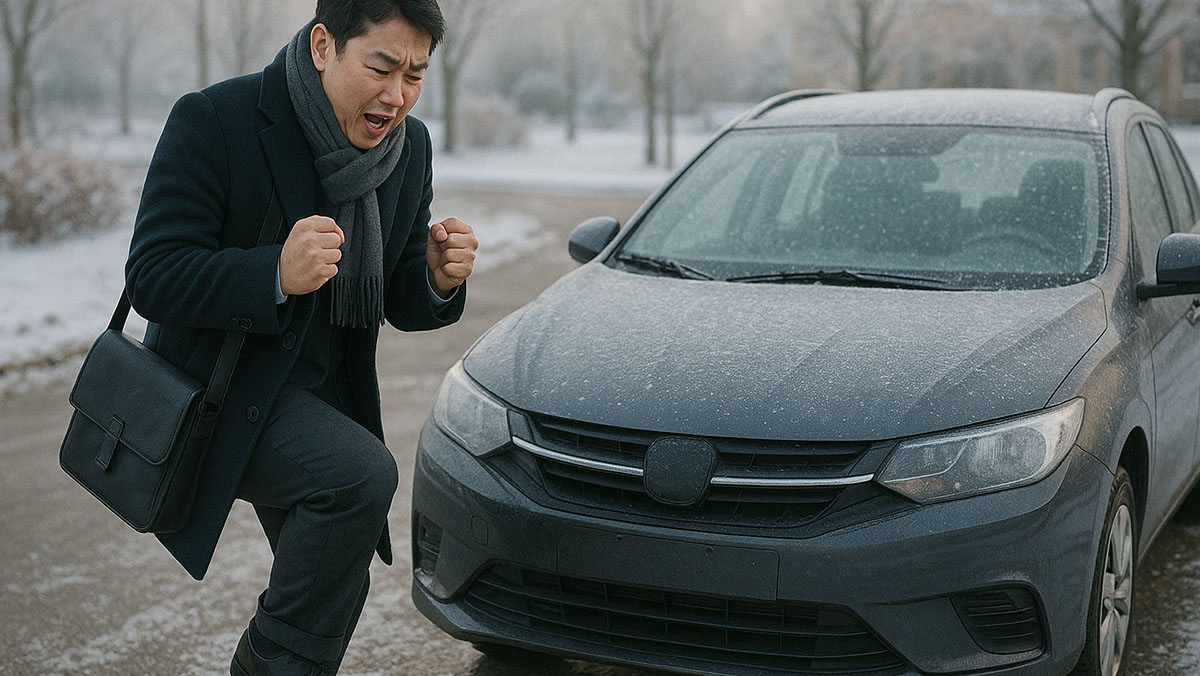
Car batteries are sensitive to cold. Chemical reactions slow below freezing, cutting cranking voltage and making a weak battery unable to start the engine. Repair shops will check the battery’s state of charge (SoC) and inspect terminals for corrosion, and they often recommend more frequent charging. If the vehicle still hesitates to start after a charge, it’s probably time for a new battery.
Worn tires lose grip, increasing braking distances and the risk of spinouts. While the legal minimum tread depth is 1.6 mm (0.063 in), drivers who regularly encounter snow or ice should keep at least 3 mm (0.12 in). Tire pressure falls as temperatures drop because the air inside contracts, so check pressure often.
South Korea’s Ministry of Land, Infrastructure and Transport and the Korea Transportation Safety Authority run winter safety campaigns advising drivers to check tire wear and pressure and, where appropriate, fit snow tires. Some regions require chains when roads are snowy; if you travel to those areas, carry chains to avoid fines.
◆ Don’t ignore fuel, brakes, and underbody care
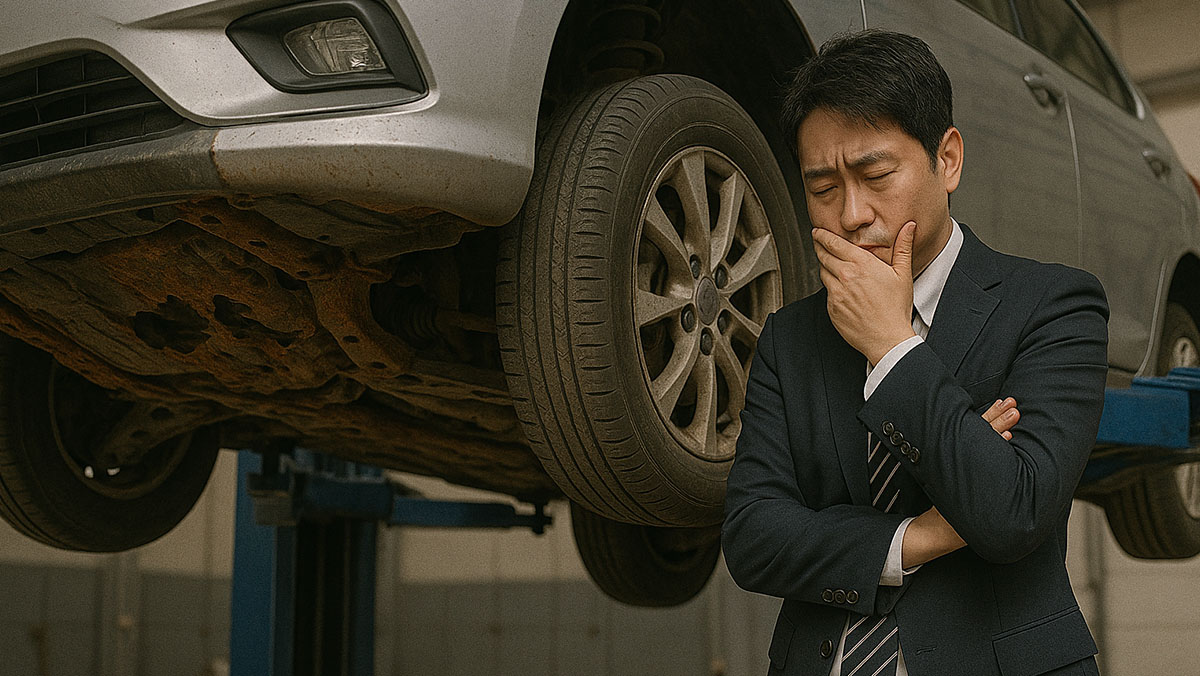
Diesel vehicles can suffer starting problems if water in the fuel line freezes. Mechanics advise confirming whether your fuel supplier uses water-removing additives and replacing the fuel filter on schedule. Brake fluid that absorbs moisture has a lower boiling point and can reduce braking performance; replacing it roughly every two years is recommended.
Road salt and calcium chloride accelerate corrosion on a vehicle’s undercarriage. Wash the underside regularly and consider underbody rustproofing to extend the car’s life. Applying silicone lubricant to door rubber seals can help prevent doors from freezing shut.
Above all, avoid sudden acceleration and hard braking on snow or ice, and reduce your speed by roughly 20%. The Korea Transportation Safety Authority’s Vehicle Safety Research Institute warns that “winter accidents more often stem from poor maintenance than mechanical defects,” and says a single inspection before the cold sets in can prevent a serious crash.











Most Commented