
Translation result
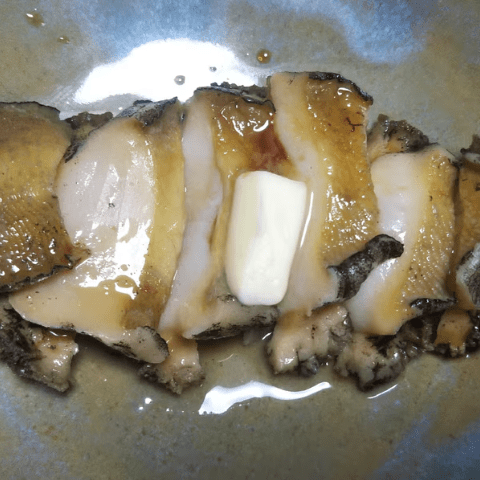
For years, when foreigners thought of Korean food, bulgogi, bibimbap and tteokbokki were the first dishes that came to mind. There was a time when spicy, bold flavors pretty much defined the K-food image.
But that perception is shifting. More and more visitors are now looking for Korean dishes that do more than taste great — they want food that’s good for the body.
With health and wellness trends sweeping the globe, Korean restorative dishes are rapidly gaining attention abroad. Grilled eel, samgyetang and galbitang are being introduced as signature “Korean energy foods,” and interest is growing.
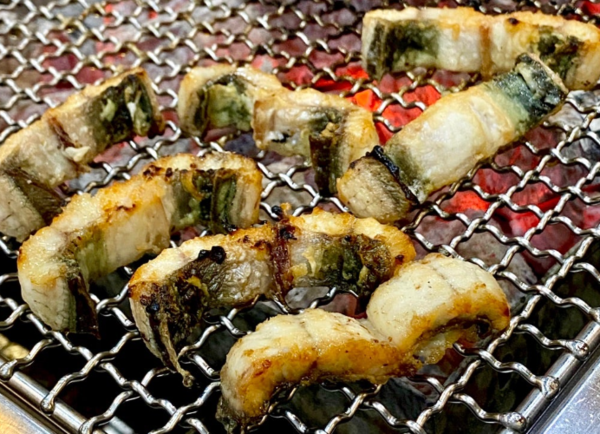
Grilled eel is catching on as a ‘stamina’ food
In Korea, grilled eel has long been a go-to restorative dish. It’s especially associated with replenishing energy in summer, and that seasonal custom is increasingly fascinating to foreign visitors.
Eel is praised for its high protein content, and people often highlight vitamin A and omega-3 fatty acids. Vitamin A is commonly mentioned in conversations about eye health and immunity, while omega-3s come up in discussions about cardiovascular benefits.
Many foreigners say the eel’s rich, oily flavor paired with a hint of charcoal smoke makes a memorable impression. They often contrast Korea’s seasoned, grilled eel with Japanese unagi-don, describing the Korean style as having a deeper, barbecue-like profile. Lately, traveler reviews saying “you must try eel when you visit Korea” are popping up more often online.
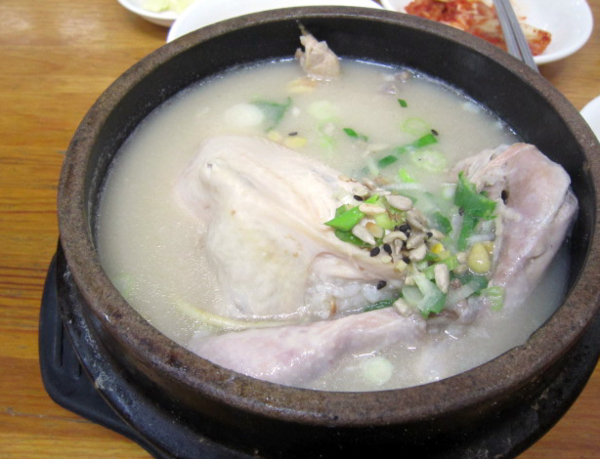
Samgyetang is already known overseas as a K-restorative classic
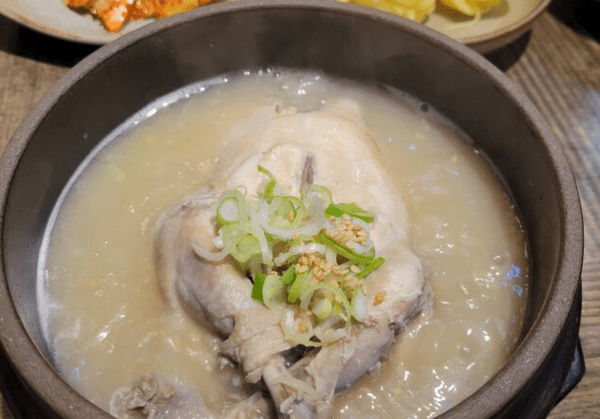
Samgyetang has become one of Korea’s most emblematic restorative dishes. Abroad, it’s often described as “Korean chicken soup,” and its reputation as a health food is growing.
Made by simmering chicken with ginseng, garlic and jujube, samgyetang is frequently praised for its protein, amino acids and minerals. Chicken is seen as a light, easy-to-digest protein source, while ginseng is widely viewed as a symbol of Korean health cuisine.
Many foreigners say eating samgyetang makes them feel warm and refreshed. They compare it to Western chicken-soup traditions but note that the ginseng aroma and rich broth give it a distinct character. As Korea’s boknal custom—eating hot food on the hottest days—becomes better known, that practice is also being enjoyed as a unique cultural take on wellness.
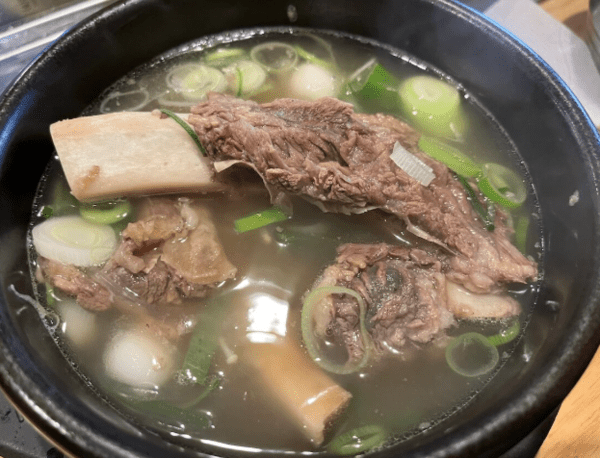
Galbitang wins fans for its ‘clean, meaty broth’
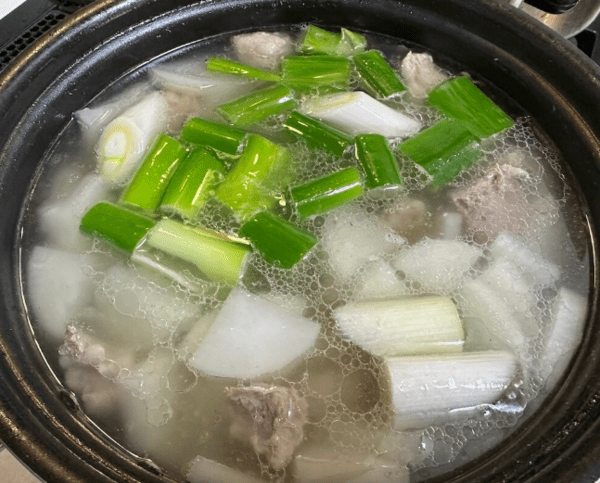
Galbitang has also been gaining traction with foreign tourists. It’s not spicy, but it delivers a deep, satisfying broth, making it an approachable choice for those new to Korean cuisine.
Made by simmering beef short ribs for hours, galbitang often gets credit for its protein and collagen content. Its rich yet relatively clean broth leads many visitors to liken it to an upscale soup. Eating galbitang with rice also offers guests a chance to experience a distinctly Korean way of dining, which often leaves a lasting impression.
Experts: the wellness trend is driving interest in restorative foods
Experts point to the global shift toward wellness-focused eating as the main reason foreigners are seeking out Korean restorative dishes. People increasingly want food that aids recovery and boosts energy — not just something to fill them up — and Korean restorative cuisine fits that bill.
Korean food’s emphasis on fermentation, broths and herb-like ingredients reinforces its image abroad as “food for body care.” Analysts also note that scenes in K-dramas and mukbang videos—where actors and influencers are shown enjoying samgyetang or galbitang—have helped raise awareness.
The restorative-food craze is already visible in Korea
Restaurants known for samgyetang and galbitang in Seoul’s Myeong-dong, Jongno and Gangnam areas report a noticeable uptick in foreign customers. In one Seoul example, tourists from Japan, Southeast Asia and the U.S. were filmed lining up outside a popular samgyetang spot, and the footage went viral online.
Some foreign YouTubers have called grilled eel the most impressive Korean barbecue they’ve tried, racking up high view counts. Online reactions followed: “Foreigners are even trying restorative dishes now,” “Samgyetang really feels like K-health food,” and “Galbitang seems like it would suit foreign palates.”











Most Commented