
Translation result
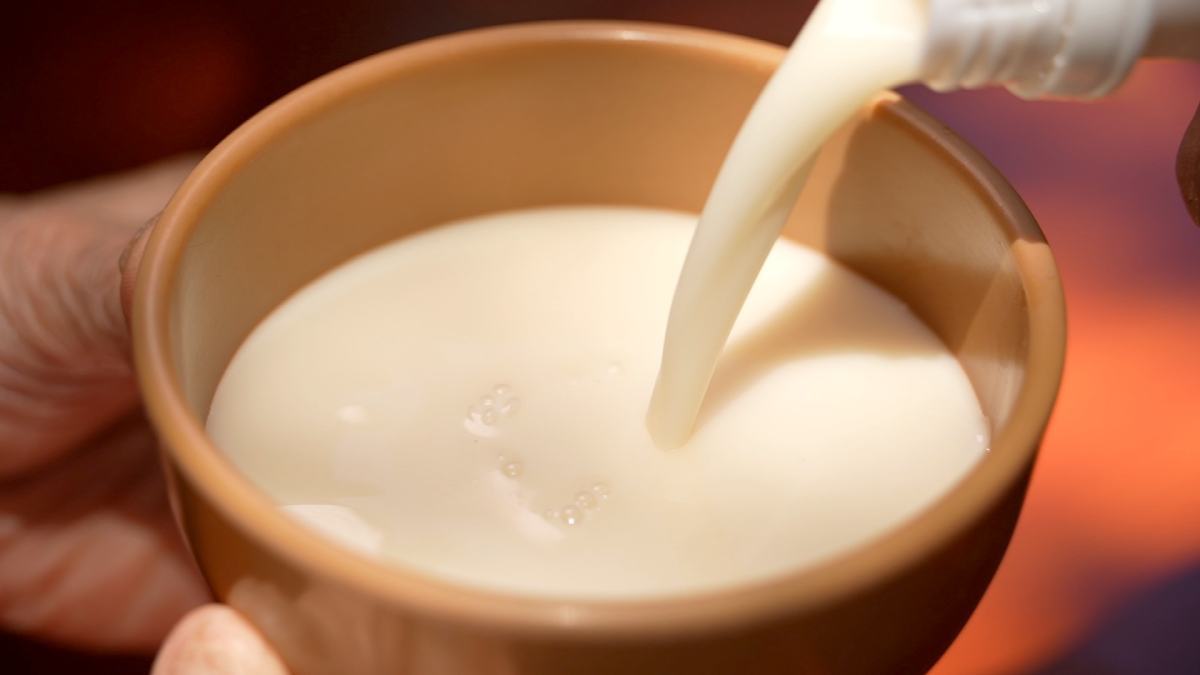
Part 2 of EBS1’s Korean Journey episode “Heard on the Grapevine” dives into the story of makgeolli — Korea’s No. 1 folk liquor — which has been brewed for 500 years in Sanseong Village on Mount Geumjeong in Busan.
Meet master brewer Yu Cheong-gil, who has safeguarded this tradition for 15 generations, and his son, who’s now carrying it into the 16th. Together, they reveal the deep, rich taste and the time-honored techniques behind Sanseong makgeolli.
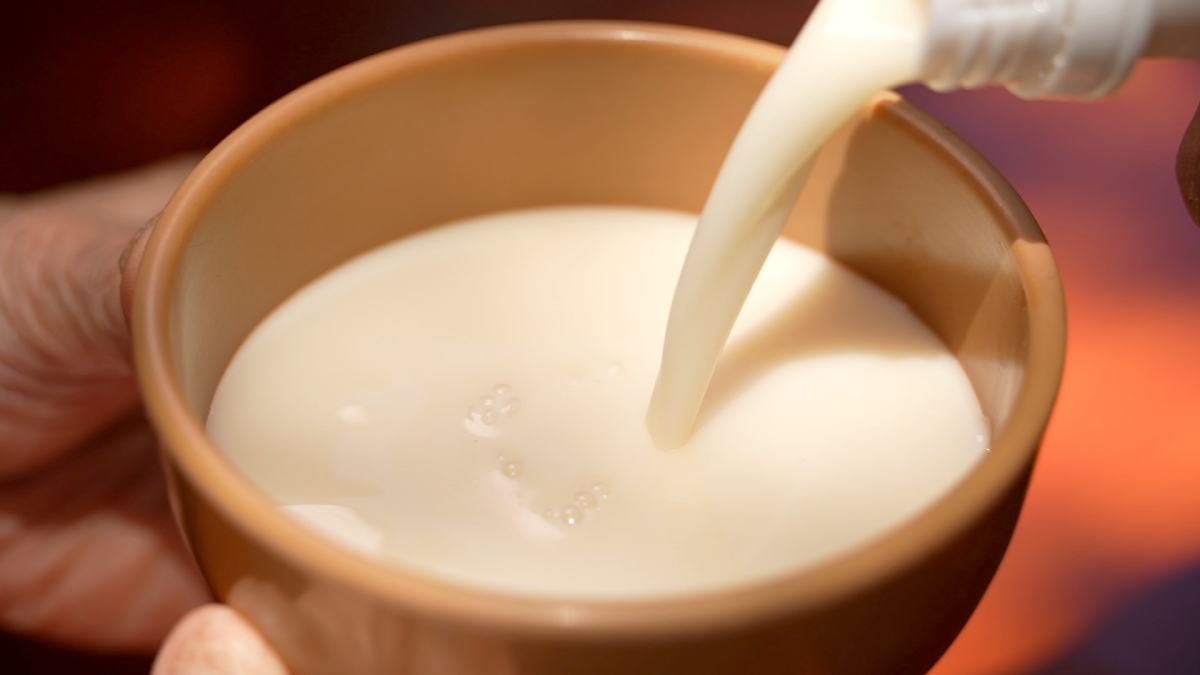
EBS1 Korean Journey Heard on the Grapevine Part 2 — 500-Year Makgeolli
On the southern edge of the Taebaek Mountains, the slopes of Busan’s Geumjeong Mountain hold Sanseong Village, a place that has preserved a 500-year makgeolli tradition. Perched in a basin about 400 m (roughly 1,312 ft) above sea level, the land is tough for farming, so families turned to brewing as part of daily life.
The makgeolli here first gained wider recognition during the Joseon era. Workers who built Geumjeong Fortress spread the word, and the drink’s reputation grew from there. Even in times when rice was scarce and drinking bans were enforced, this village’s makgeolli kept its renown. It even won a president’s approval and came to be regarded as the nation’s top folk liquor.
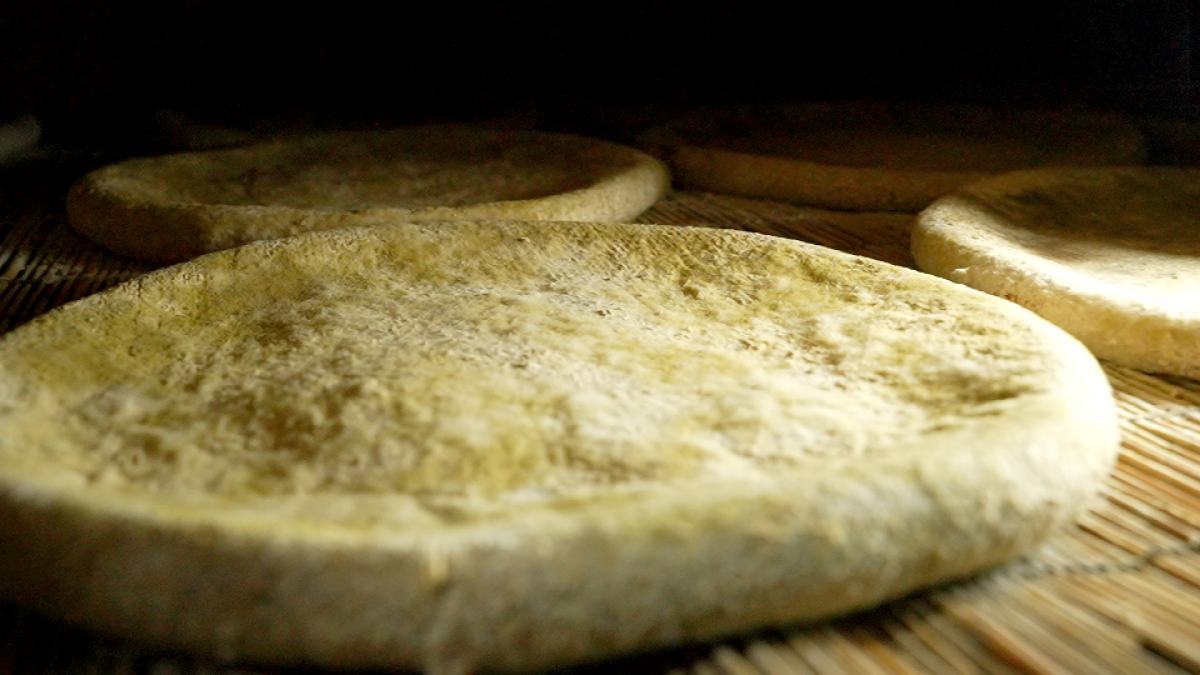
The secret to that enduring flavor lies in the village’s unique nuruk (fermentation starter) method. Unlike other regions, brewers here still use a traditional foot-stomping technique to make nuruk. They carefully stomp the mixture to encourage the right molds, producing a starter that gives the makgeolli its deep, full-bodied profile. Remarkably, this hands-on method has been passed down unchanged for centuries.
Master brewer Yu Cheong-gil, the 15th-generation keeper of this craft, has refined these skills over decades. His son now carries the torch as the 16th generation. Thanks to families like theirs, a makgeolli shaped by 500 years of history still flavors our tables today. In an era of rapid industrialization and globalization, their dedication to preserving traditional liquor feels like something we should all support.
The taste and brewing of makgeolli: rice, nuruk, and tradition
Makgeolli is a traditional Korean alcoholic beverage made by fermenting grains such as rice or wheat with nuruk and water. It’s intentionally left unclarified, which gives it a milky, cloudy appearance. The name is thought to come from a phrase meaning “roughly filtered liquor.”
Its flavor is usually smooth and pleasantly savory. You’ll get a delicate sweetness from the grain and a gentle acidity from fermentation. Some varieties are slightly fizzy, others lean sweeter, and some highlight tart notes. Fresh, unpasteurized makgeolli often continues fermenting, delivering bright aromas and light effervescence. Pasteurized versions go through heat treatment for longer shelf stability and easier distribution.
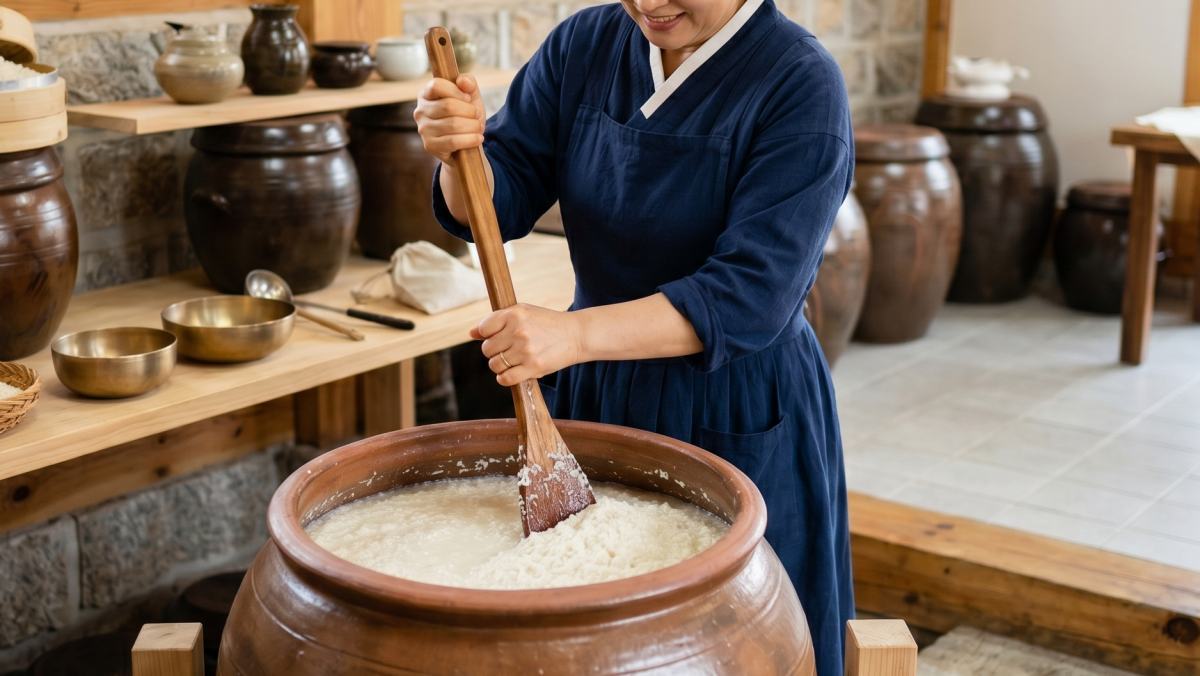
The basic brewing steps are straightforward. Brewers wash and cook grains like rice or wheat, then cool them. They mix in nuruk and water to form the fermentation mash and let it ferment for a set time. Nuruk converts starches into sugars and helps yeast turn those sugars into alcohol. After fermentation, the mash is strained through a sieve or cloth. Because makgeolli isn’t fully clarified, the finished drink retains some grain solids and a characteristic cloudiness.
Ingredients and fermentation techniques shape makgeolli’s personality. More rice usually produces a smoother, cleaner taste. Using wheat or traditional nuruk highlights nuttier, earthier aromas. Water quality, fermentation temperature and duration, and how much it’s filtered all influence the final flavor. That’s why the same style of makgeolli can taste quite different from one local brewery to another.
Makgeolli resists being pinned down to a single flavor. It blends grain sweetness, nuruk-derived aromas, fermentation acidity, and carbonation. Regional brewers experiment with local crops and traditional methods to create a wide range of makgeolli, and commercial products are available in both fresh (unpasteurized) and pasteurized forms.
EBS1 Korean Journey follows everyday life across Korea
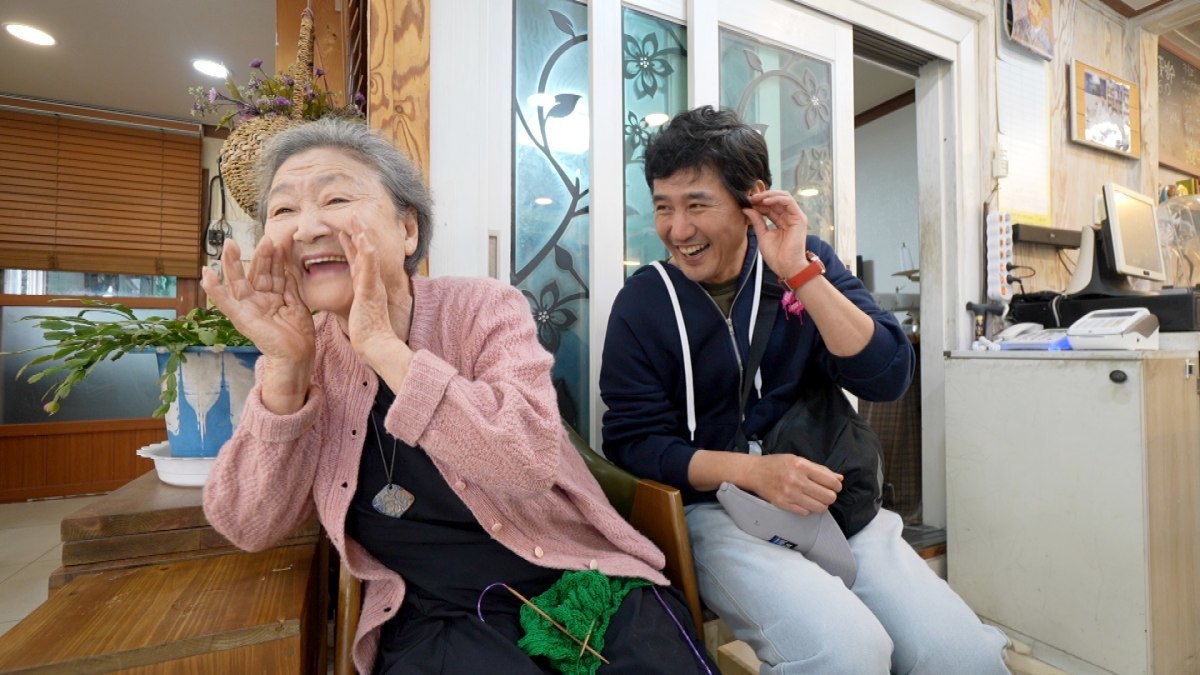
EBS1’s Korean Journey premiered in August 2009 and has become a long-running flagship documentary for the network. The series visits mountains, seas, farming and fishing villages, island communities, and city neighborhoods across Korea, capturing seasonal shifts and the everyday lives of local people.
Each week the show explores one main theme across five episodes. Every roughly 30-minute installment focuses on a particular region, highlighting its natural environment, daily routines, and the stories that tie the community together.
Rather than chasing fast edits or sensational hooks, Korean Journey prioritizes atmosphere and the steady rhythm of ordinary life. The crew follows residents who preserve their ways of living, and the program uses restrained narration to calmly showcase how nature, people, and regional culture intersect.
The show’s locations are varied: mountain and fishing villages, rural towns, islands, and even city alleys and everyday living spaces. Through this breadth, viewers get a glimpse of landscapes and lives that are rare in urban routines, along with the feelings those places hold.
Korean Journey currently airs regularly on EBS1 TV. Each week the series documents Korea’s nature, people, and daily culture through a new theme and region.
The show airs Monday through Friday at 9:35 PM. Viewers can find broadcast information on the EBS1 Korean Journey preview page.











Most Commented