
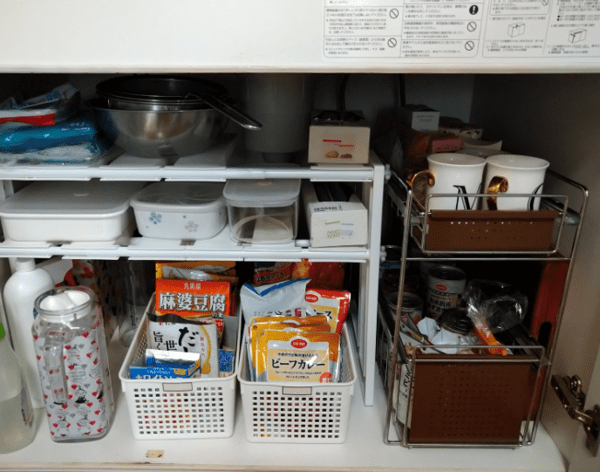
Every summer, the battle with pests kicks into high gear
When temperatures rise and humidity spikes, many households face the same seasonal headache: fruit flies, ants and cockroaches. Kitchens—where food, crumbs and moisture gather—are prime targets. A single fruit peel or a damp sink area is all it takes to attract fruit flies, and ants will follow even the tiniest crumbs into your home.
Cockroaches love warm, humid spots, so they get more active in summer. That’s why this time of year sparks a renewed interest in practical pest-control tips.
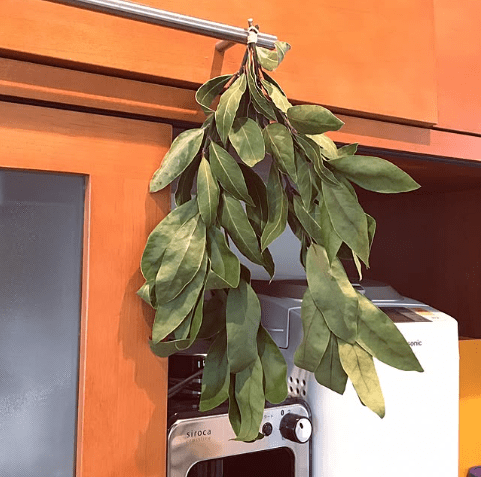
Bay leaves are best known as a cooking herb
Bay leaves are a go-to for adding depth to stews and meat dishes. But households have also used them for generations as a natural way to repel pests.
In parts of Europe and around the Mediterranean, it’s traditional to tuck bay leaves into pantries and cupboards. The leaves give off a strong fragrance that people find pleasant, but many pests find it off-putting.
They contain aromatic compounds pests tend to avoid
Bay leaves contain aromatic compounds such as eugenol, cineole and linalool, which give them their signature scent. Many pests rely on scent to locate food and shelter, so a strong aroma in an area can discourage them from coming near.
Fruit flies and ants are especially sensitive to smells, which is why some people place bay leaves in kitchen corners or food storage spots.
There’s a reason some people use them to deter cockroaches
Cockroaches are attracted to food odors and moisture. Some home-care experts say bay leaf scent can help reduce cockroach activity.
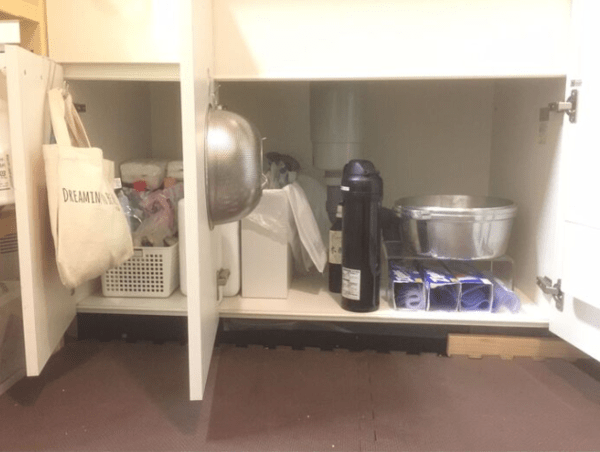
Common advice is to place dried bay leaves under the sink, inside cupboards or near food containers. That said, if you’re dealing with a major infestation, bay leaves alone won’t do the job—cleaning and professional pest control are necessary.
Bay leaves are most effective as a preventive measure
Bay leaves act as a repellent rather than a pesticide. So they’re best used to prevent pests, not to treat an established problem.
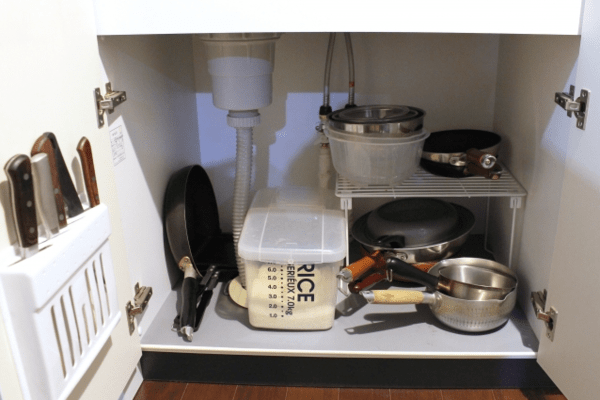
Tucking a few bay leaves into kitchen drawers, near rice bins or by the trash can can help diffuse their scent and reduce pest visits. They’re also a low-cost option for households aiming to cut back on chemical pesticides.
A domestic example
In Korea, lifestyle shows and homemaker communities have often recommended bay leaves for summer pest control. One homemaker shared that after she started placing bay leaves around her rice container and pantry, she noticed fewer ants and fruit flies—an anecdote that sparked online interest.
Online responses included comments like I put them in every kitchen drawer, They smell great—two birds with one stone, and I’ve been worried about fruit flies; I’ll give it a try. The tip has since spread as a go-to summer life hack.











Most Commented