
Translation result
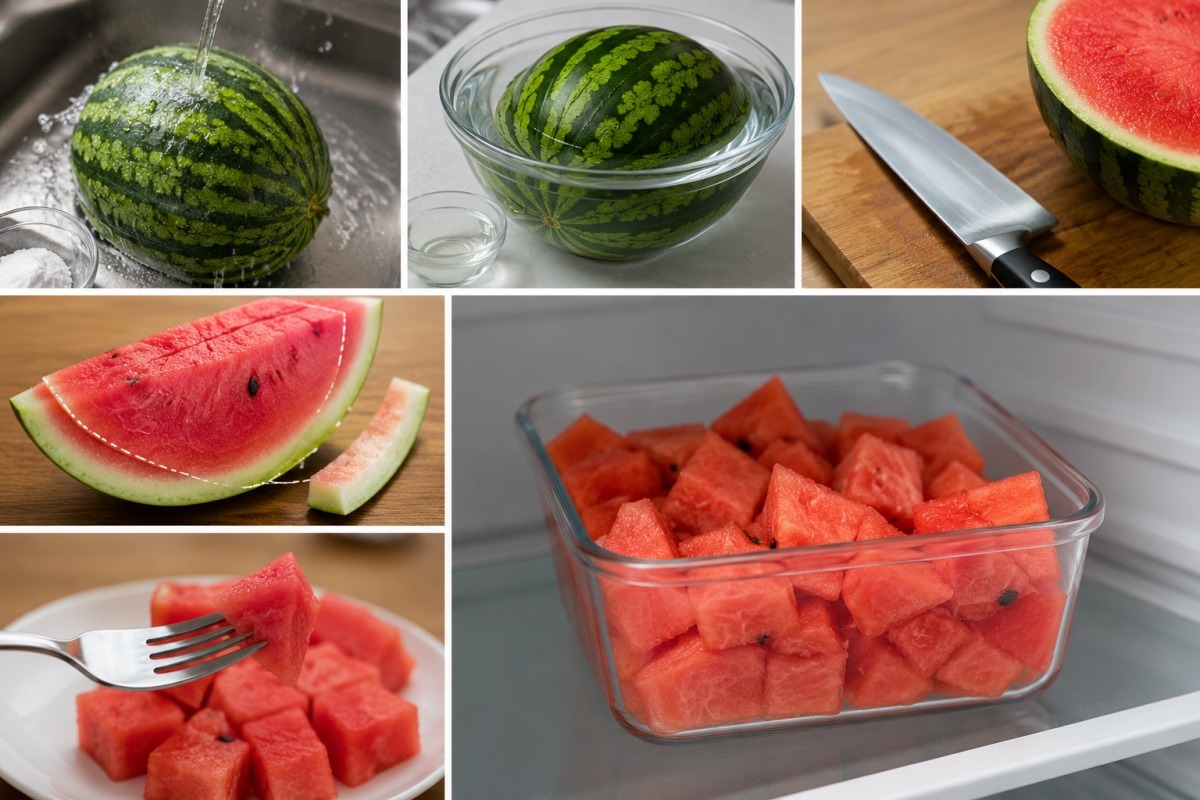
Watermelon is the summertime MVP for beating the heat. With that crisp bite and juicy refreshment, it’s a crowd-pleaser for all ages — but its size means you rarely finish one in a sitting, and storing the leftovers can be a hassle.
Most households do the obvious thing: wrap a leftover half in plastic wrap and tuck it in the back of the fridge. But that cozy, sealed environment can let foodborne bacteria explode in numbers in as little as two days. The sugar and moisture from the cut surface create a damp paradise for microbes under the wrap.
If you want to keep your family safe from summer stomach bugs and enjoy a big melon without wasting it, learn the right cleaning and storage moves. Below are easy, friendly watermelon-cleaning tips that banish bacterial worries, a vinegar trick to make leftovers last, and a clever five-minute dessert idea to rescue any extra melon.
Why rubbing vinegar on the cut surface helps watermelon last
The safest option is a bit of upfront work: cube the flesh and store it in an airtight container. Pieces in a sealed container grow far fewer bacteria than a wrapped half melon. But if your watermelon is too big for a container or you need to keep it whole, acidity is your friend.
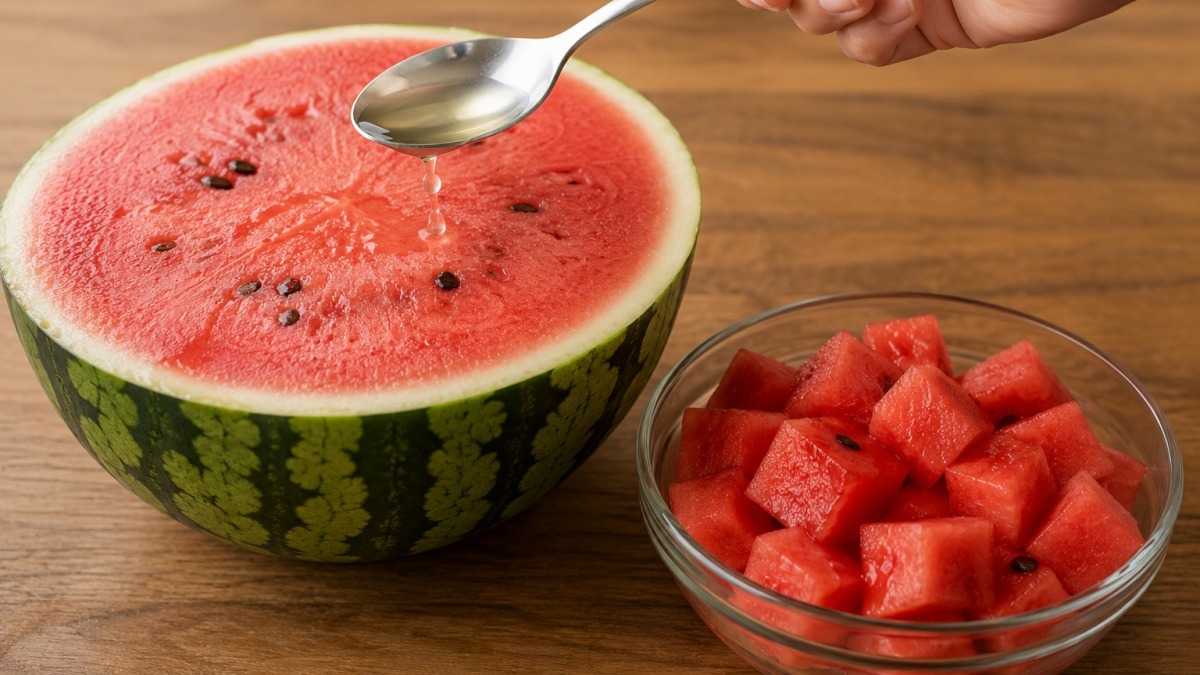
Lightly brush the cut surface with vinegar or squeeze on lemon juice before storing. The acetic acid in vinegar and the citric acid in lemon juice lower the surface pH. Harmful bacteria prefer soft, neutral conditions; they struggle or die in sour, strongly acidic environments.
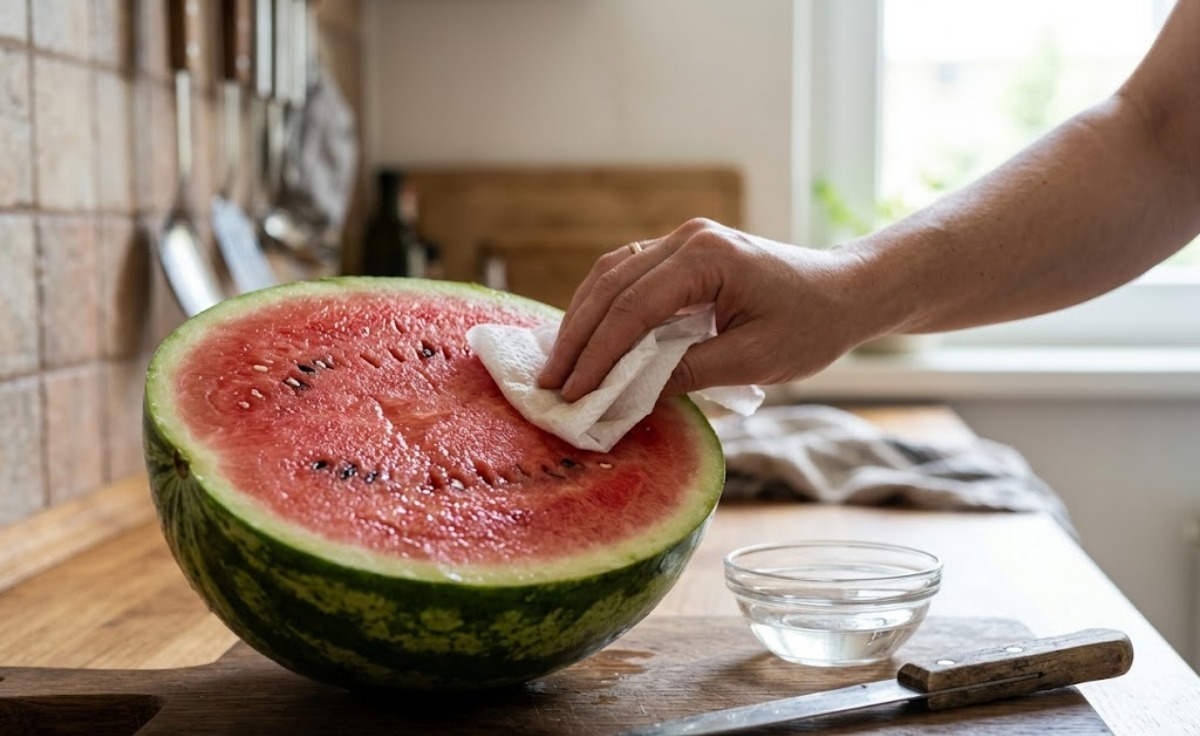
Vinegar also helps keep the flesh from turning mushy. It forms a thin, natural protective layer on the cut surface, slowing bacterial growth and delaying softening — sometimes by more than two weeks. Don’t overdo it, though: too much vinegar will make the melon taste sour. The right move is to dampen a kitchen towel with a little vinegar and gently wipe the cut surface. When you’re ready to eat, trim off the thin outer layer that touched the vinegar and enjoy the fresh fruit beneath.
How to wash watermelon safely so you don’t transfer bacteria
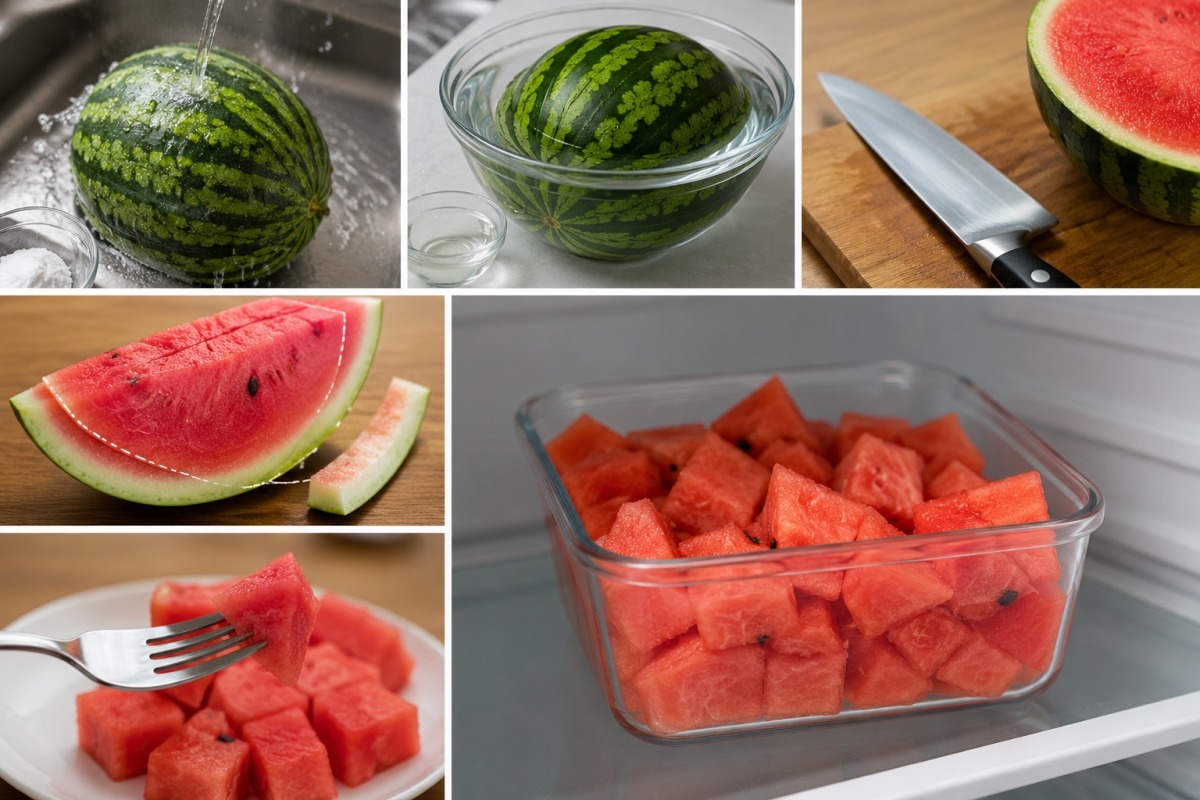
Most contamination happens when you slice the rind. Dirt, dust, and germs on the surface can hitch a ride on the knife blade into the flesh. So always clean the rind before cutting.
Try this simple routine with baking soda and vinegar: rinse visible dirt under running water, sprinkle baking soda over the rind and scrub well, then soak the melon for 2–3 minutes in water lightly mixed with vinegar and rinse. That removes lingering bacteria and pesticide residue.
Don’t forget the tools. Sanitize the knife and cutting board by rinsing with very hot water or using a disinfectant before cutting to prevent cross-contamination.
If you did wrap a melon in plastic out of necessity, be cautious when you dig into it later: cut away at least 1 cm (about 0.4 inch) from the surface that contacted the air or wrap, and only eat the interior flesh.
Also, stop biting directly into the melon with your hands. Using forks or serving utensils prevents saliva and hand-borne bacteria from transferring to the leftover fruit.
Two creative recipes to use up leftover watermelon
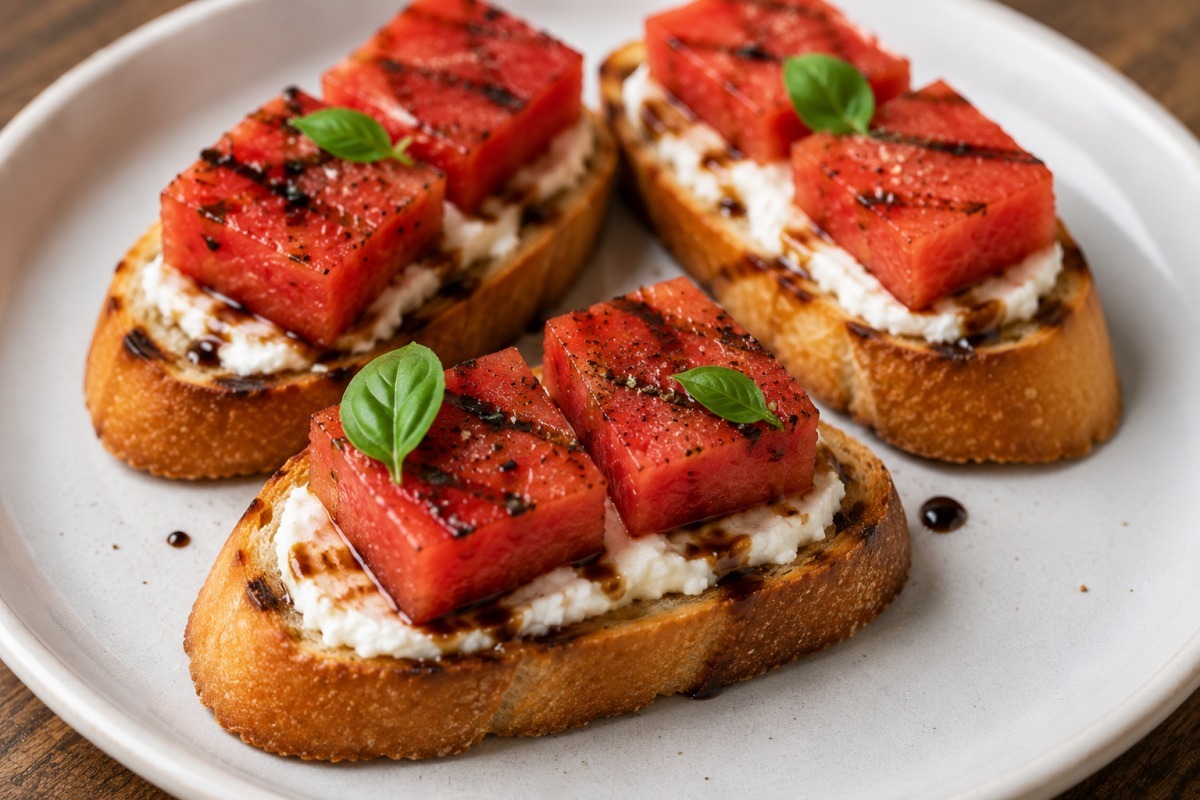
If you’re drowning in melon, here are two fast and fun ways to use it up at home.
First up: grilled watermelon bruschetta, which sharpens the fruit’s sweetness. Grilling drives off some water, concentrates sugars, and gives the flesh a pleasantly chewy texture. In Europe, dishes like this are often served to whet the appetite before a meal.
Ingredients: 300 g (about 10.6 oz) watermelon, several baguette slices, 50 g (about 1.8 oz) cheese (ricotta or mozzarella), olive oil, balsamic vinegar, salt, and pepper.
Method: Slice the watermelon into roughly square pieces about 1 cm (about 0.4 inch) thick, then press them with a kitchen towel to remove surface moisture. Lightly season with a pinch of salt and a little black pepper.
Heat a skillet, add olive oil, and sear the watermelon over high heat for 1–2 minutes per side until light brown grill marks appear. Brush a little balsamic vinegar over the grilled surface for extra flavor.
Top toasted bread with a thin layer of cheese, add a piece of grilled watermelon, and serve.
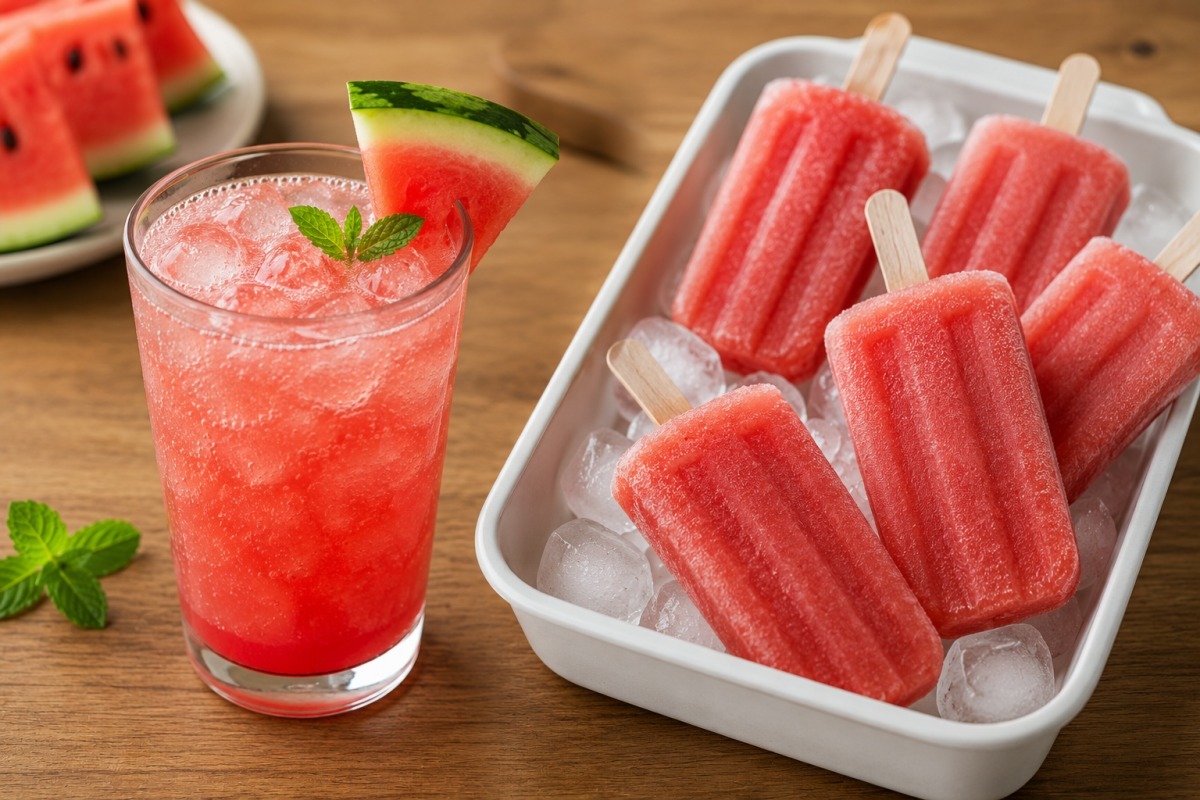
But wait — there’s more. You can also make watermelon ade or 100% fresh watermelon ice bars. Watermelon ade is ridiculously simple: blend watermelon with a squeeze of lemon until smooth, fill a glass with ice, pour the watermelon juice halfway up, top with sparkling water, and stir gently.
Watermelon ice bars are a healthy, additive-free alternative to store-bought popsicles, made with 100% watermelon. All you need is an ice-pop mold.
Remove seeds and chop the flesh, then blend until smooth. If the melon is sweet enough, you don’t need extra sweetener.
Pour the blended juice into molds or small paper cups to about 80% full. Close the mold lids or cover paper cups with foil and insert wooden sticks to secure them.
Freeze for at least 4 hours until solid, then pop them out and enjoy.
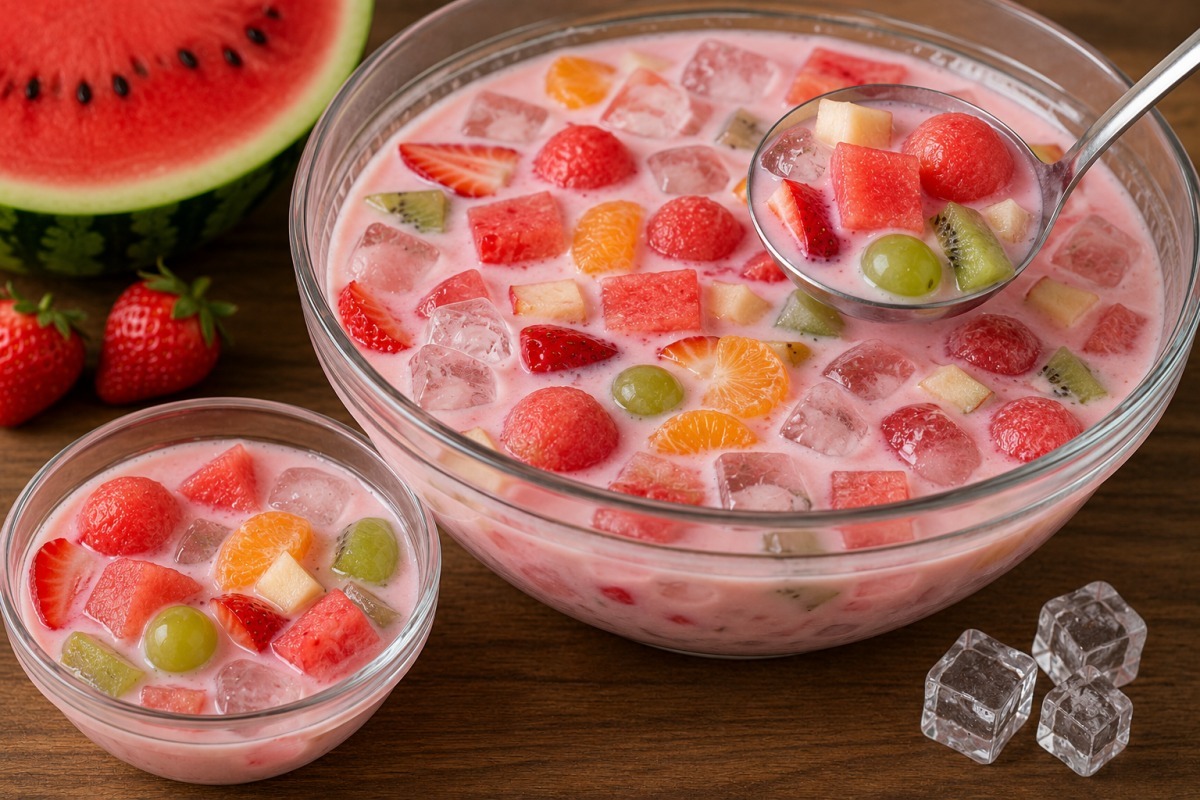
Finally, try watermelon-strawberry milk punch. This old-school dessert is perfect for a warm summer night with family. Using chilled strawberry milk instead of soda gives the punch a creamier, sweeter vibe.
To make it, scoop melon balls with a spoon or melon baller, or cut the flesh into small cubes and place them in a large bowl.
If you have other leftover fruit, cut it to a similar size and add it in. Pour one carton of chilled strawberry milk over the fruit, then add 1/2 cup of lemon-lime soda for a fizzy lift.
Add ice cubes, stir gently, and ladle into individual bowls so everyone can enjoy the chilled, fruity broth with their fruit.












Most Commented