
Translation result
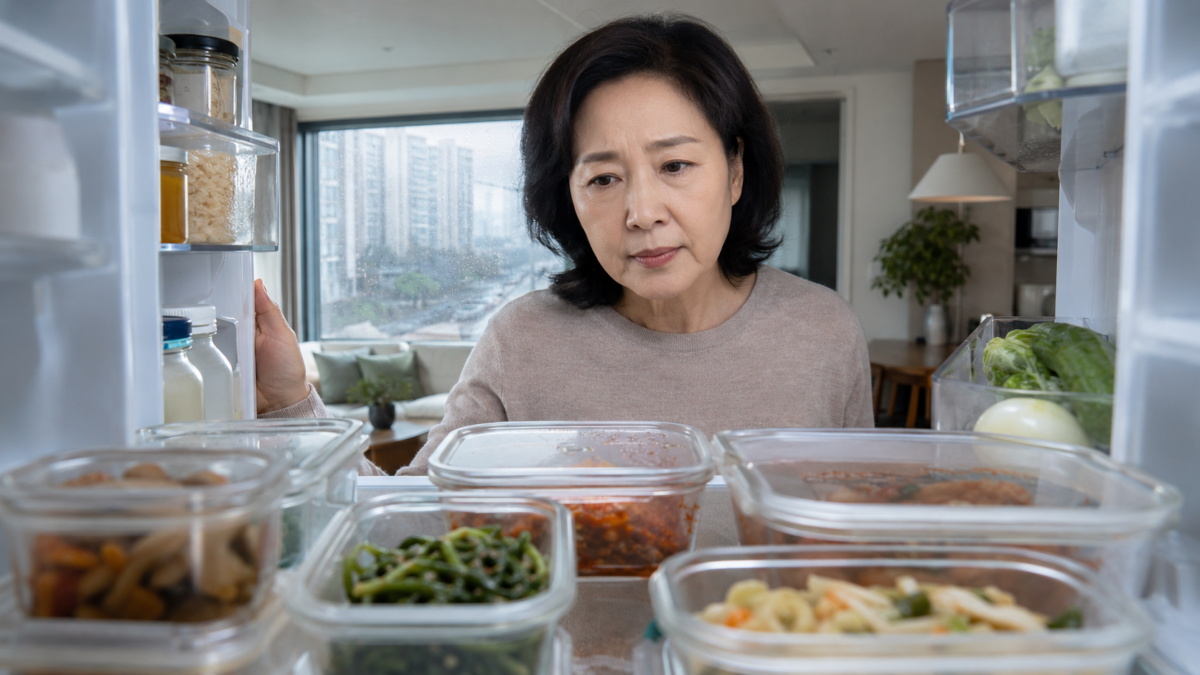
When your fridge starts filling up with containers, there’s a tiny moment of triumph — one fewer grocery run and an easy meal tucked away.
That’s especially true for people living alone and many in their 50s and 60s, who often batch-cook and eat the same dishes over several days.
But assuming something is safe just because it’s been refrigerated is a risky habit.
Even if leftovers look and smell fine, unseen hygiene risks can multiply the longer they sit in the fridge.
“Kept it because it felt wasteful?” — How your fridge can fool your eyes and nose
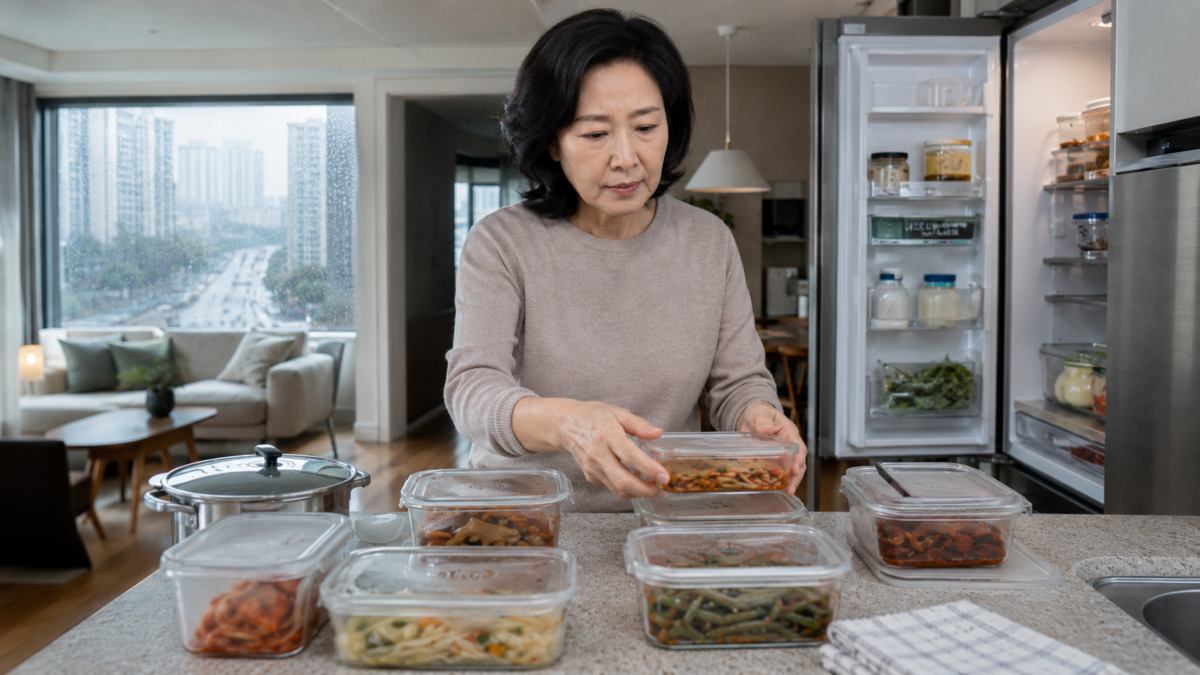
Health authorities generally recommend eating refrigerated leftovers within 3–4 days.
People tend to assume spoilage is obvious — a sour smell or discoloration — but bacteria often multiply without any noticeable odor.
After a few days, it’s easy to forget when a dish was made or when you set some aside, and those containers can languish at the back of the fridge.
In homes where multiple people access the fridge, information about what’s fresh and what’s not disappears even faster.
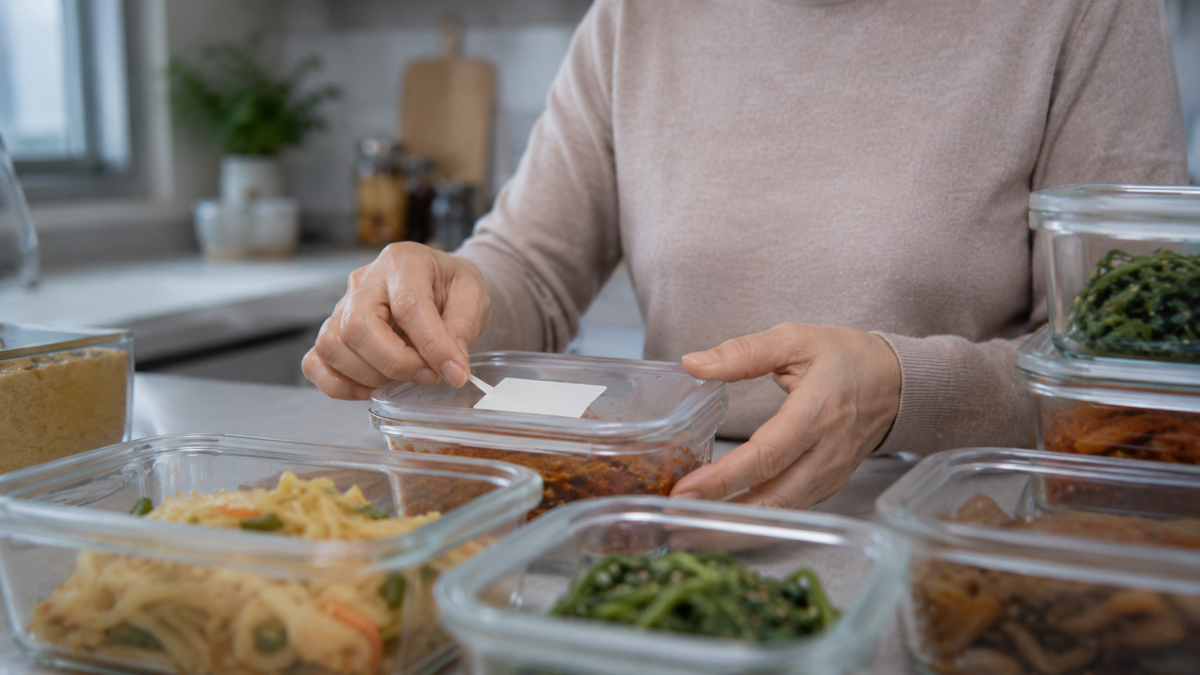
The simplest and most reliable trick: put masking tape on containers and write the date you cooked or stored them.
Avoid placing long-term leftovers on the fridge door, where temperatures shift dramatically every time it opens.
When reheating leftovers, don’t aim for lukewarm — heat them until they’re steaming hot all the way through, stirring if needed to ensure even warmth.
Repeatedly reheating and cooling a large container instead of heating only the portion you’ll eat encourages bacterial growth.
Trying to save on groceries? It could land you with a hefty medical bill
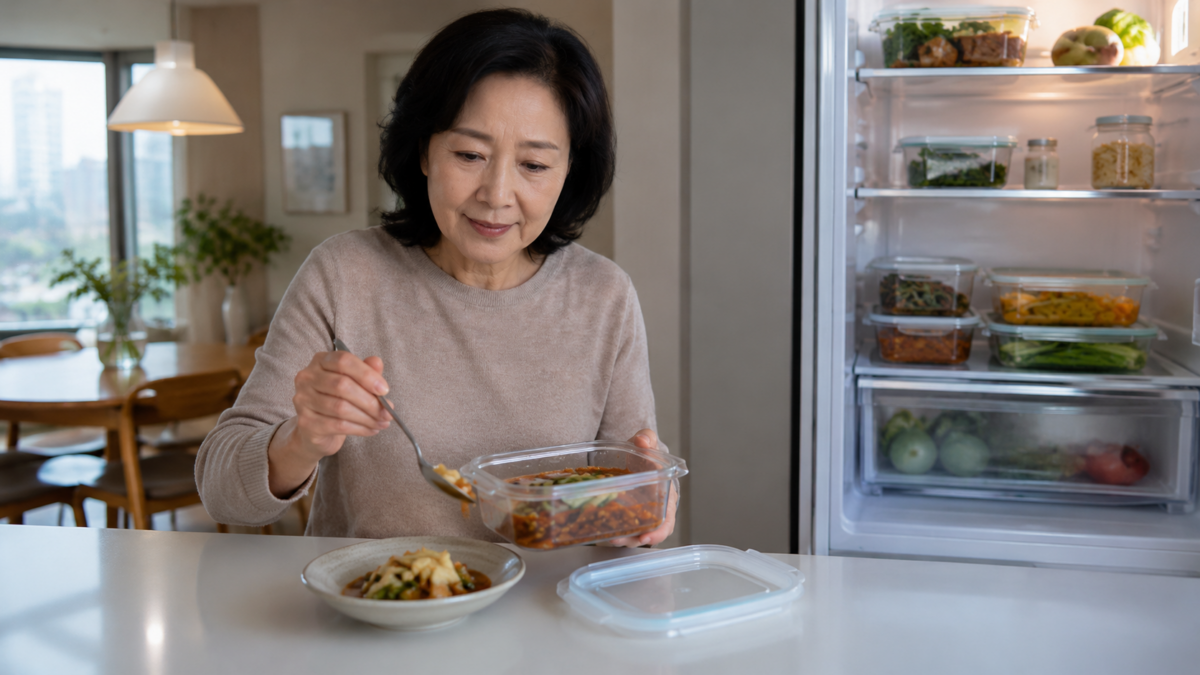
With grocery bills climbing, it’s tempting to hold onto leftovers instead of tossing them.
But trying to save a few dollars could backfire — an upset stomach or food poisoning may result in much higher medical expenses.
Homes with older adults or people with chronic conditions need to be especially careful when deciding whether to keep or discard leftovers.
Rather than trusting your senses alone, a small habit like labeling dates can be the smartest safeguard for your household’s food safety.
Trending Now
- “They call me picky over a few bucks”… Employees suffer in silence over breakroom conflicts
- “Everything goes bad when humidity climbs”… Rainy-season fridge tips to stop food waste and rein in grocery bills
- “I avoided money talk and it only caused misunderstandings”… What plays out between siblings when parents stay silent













Most Commented