
Translation result.

To avoid a bleak old age, start by rethinking how you spend your time. Counseling expert Professor Lee Ho-seon warns that the mindless consumption of short videos is a habit older adults should especially avoid.

Speaking on the YouTube channel ‘Money Inside,’ Professor Lee singled out watching short-form clips—like YouTube Shorts—as one of the worst hobbies for undermining retirement. He warned that it is not merely a bit of fleeting entertainment: over time it can erode older adults’ time, relationships and cognitive abilities.
“People assume watching things on the internet costs nothing,” he said. “But it all costs money. We bought the phones, and we pay the service bills.” His point was that seemingly free content still carries the cost of devices and data plans—and, more importantly, consumes time that cannot be recovered.
Lee’s larger concern is what he calls “brain rot.” He describes the habit of endlessly swiping through short clips as entertaining in the moment, and that very moment is when brain rot begins to set in.
“Brain rot” refers to a decline in mental and cognitive functioning that can follow excessive online content consumption. Repeatedly scrolling through short, sensational clips may feel enjoyable at first, but over time it lets hours slip by without leaving any meaningful memory or insight.
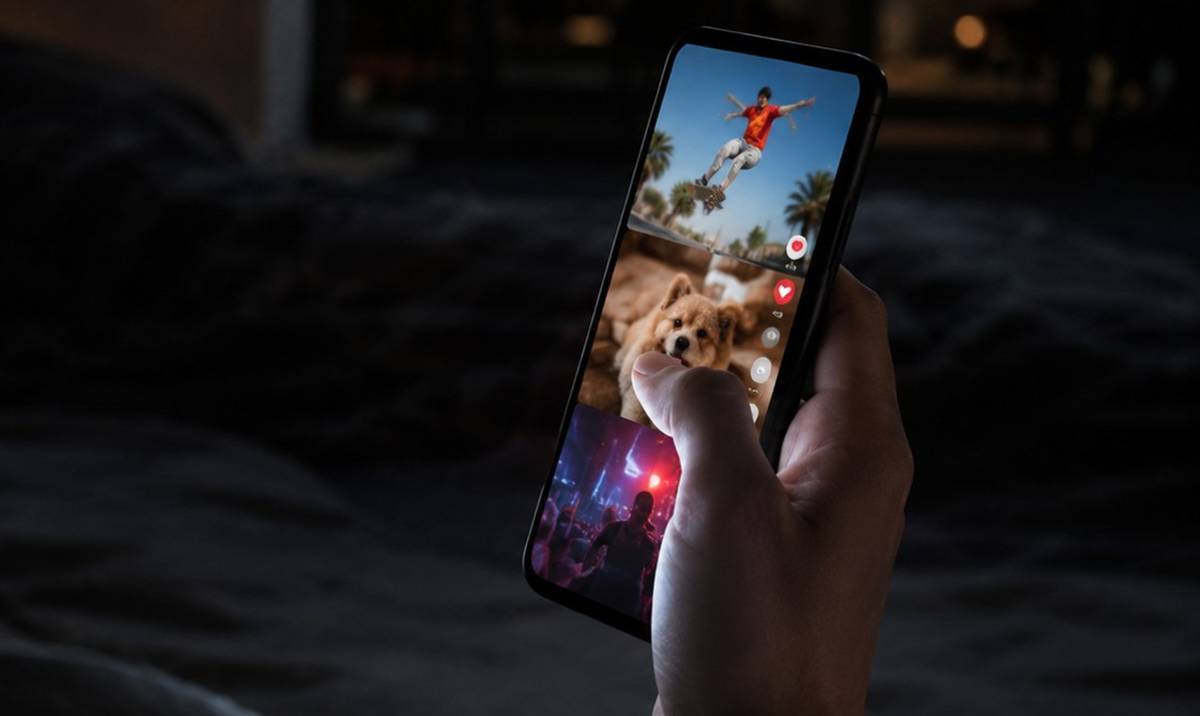
“People assume they’ll remember the useful bits when they watch short videos,” Lee said. “But if you skip to the next clip right away, nothing sticks—you’re just passing time.”
The harm goes beyond wasted hours. Constant screen use strains the eyes and reduces opportunities for conversation. When smartphone content replaces in-person relationships, observation and dialogue, daily life inevitably narrows.
Lee notes that people have a limit to how much information they can process at once. “When we take in information, the optimal number we can handle is seven, plus or minus two,” he said—roughly five to nine items at a time.
Fast-moving formats like Shorts easily exceed that range. “Shorts deliver so much information at once that you can’t process it,” Lee said. “It becomes a meaningless way to spend time—almost like sitting in a vacuum.”

Lee is not rejecting fun itself. His warning is that the more people rely on the instant hits offered by short videos, the less they spend time thinking for themselves, observing the world, and talking with others.
He advises people to put down their phones and look around. On the subway, for example, he said he watches people’s shoes instead of his phone—observing footwear and how taste reveals itself helps him stay attuned to others.

Short videos can be sweet in the short term—like powdered sugar, offering immediate pleasure—but repeated indulgence can quietly eat away at the time of a life. Ruined retirements often result from small, daily habits rather than dramatic failures.
In later life, the goal should be to live time, not merely fill it. Instead of lingering on screen stimuli, re-engage with real people, landscapes and conversations.
Five Hobbies to Enjoy in Later Life
Hobbies that enrich retirement do not have to be grand or expensive. What matters is regularly choosing activities that move your body, keep your mind engaged and connect you with others. Stepping away from short phone-based stimuli and finding pastimes that give your days rhythm will make later life more resilient.
1. Walking and Light Strolls
Walking is the easiest hobby to begin. It requires no special equipment and you can adjust intensity to your fitness level, making it especially accessible for older adults. Light walks help maintain lower-body strength and balance, and exposure to sunlight can boost mood.
Focus on consistency rather than distance. Rather than aiming for long treks right away, pick familiar routes near home or a local park and walk at a regular time each day. Noticing seasonal changes, trees, flowers and neighborhood scenes restores a sense of reality that screens cannot provide. Walking alone is fine, but walking with a neighbor or family member naturally sparks conversation and reduces social isolation.
2. Reading and Hand-Copying Passages
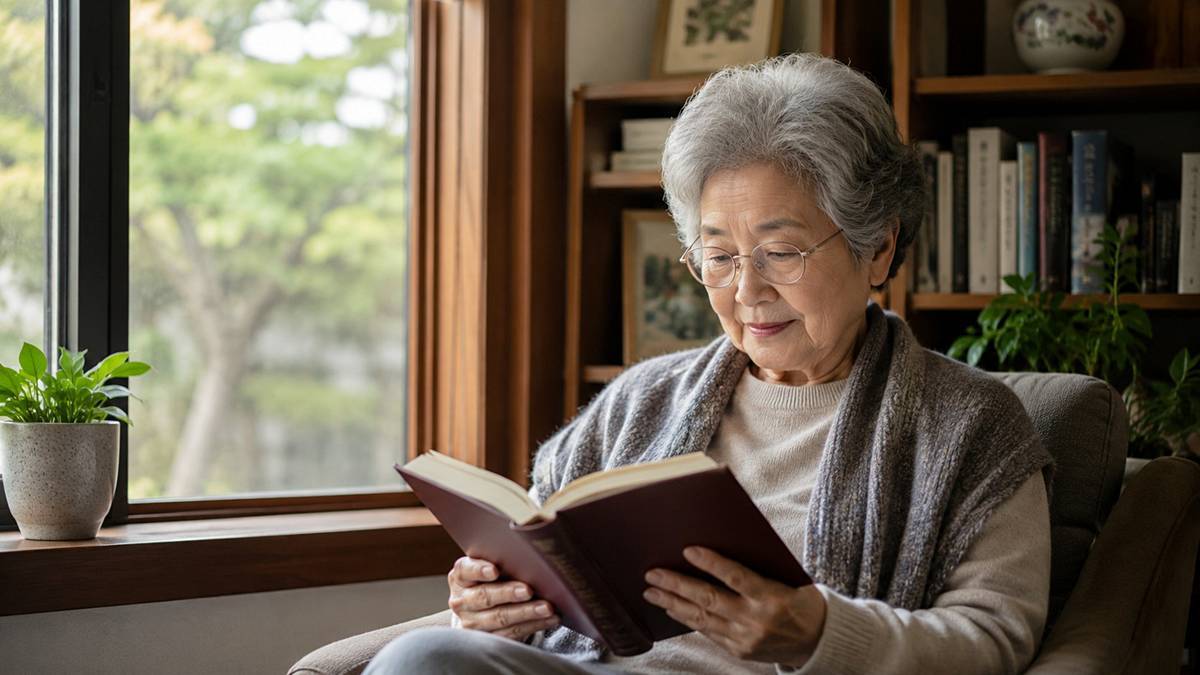
Reading fills later life with depth. It sustains focus and introduces new ideas. Unlike fleeting video stimuli, reading lets you follow sentences and take time to think and interpret.
Pairing reading with hand-copying enhances the effect. Writing down a favorite sentence helps it stick in memory and keeps fine motor skills active. You do not need long tomes—start with short prose, poems, essays or newspaper columns. Even jotting a single memorable line each day becomes a personal record. Reading and hand-copying can evolve into habits that calm the day and settle the mind.
3. Gardening and Plant Care
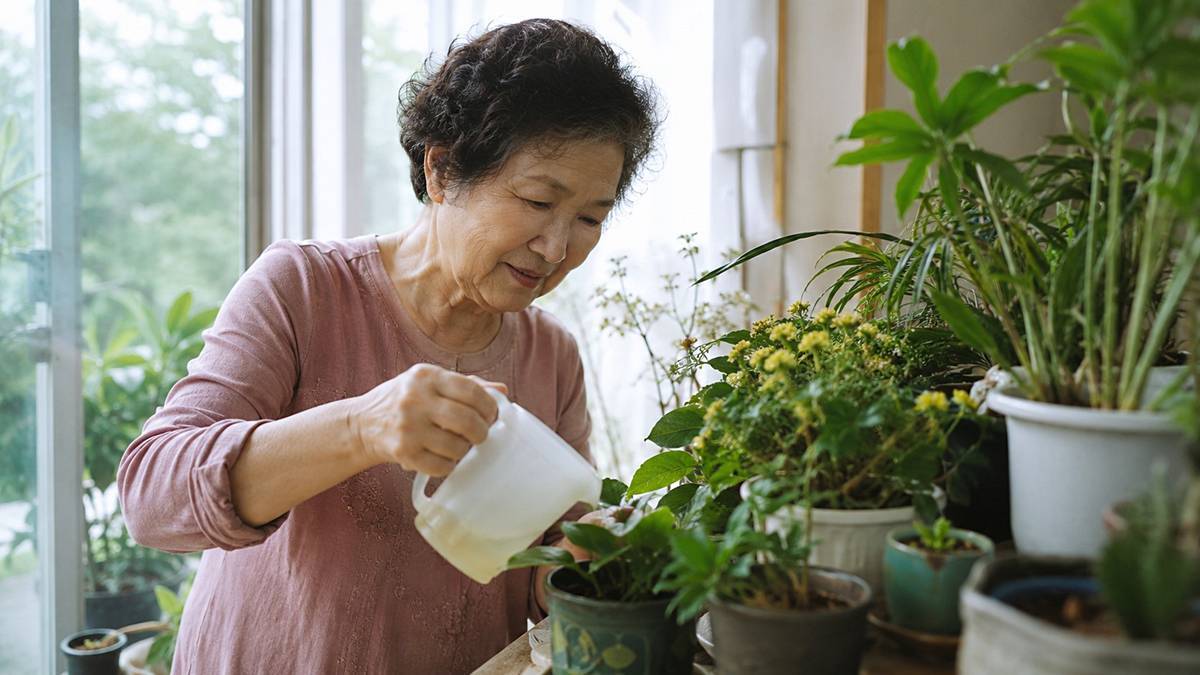
Caring for plants creates small responsibilities and a daily rhythm. Watering, checking leaves and watching new shoots appear bring emotional steadiness. Unlike fast digital stimuli, plants grow slowly; waiting for those changes can have a calming effect.
You do not need a large garden to start. Balcony pots, herbs or easy-care succulents are low-maintenance options. A simple routine—watering at the same time and checking sunlight—helps stabilize daily life. For people who spend much time alone, plants can be quiet companions. Observing leaves change and flowers bloom sharpens attention to the world around you.
4. Hands-On Hobbies Like Playing Instruments or Drawing
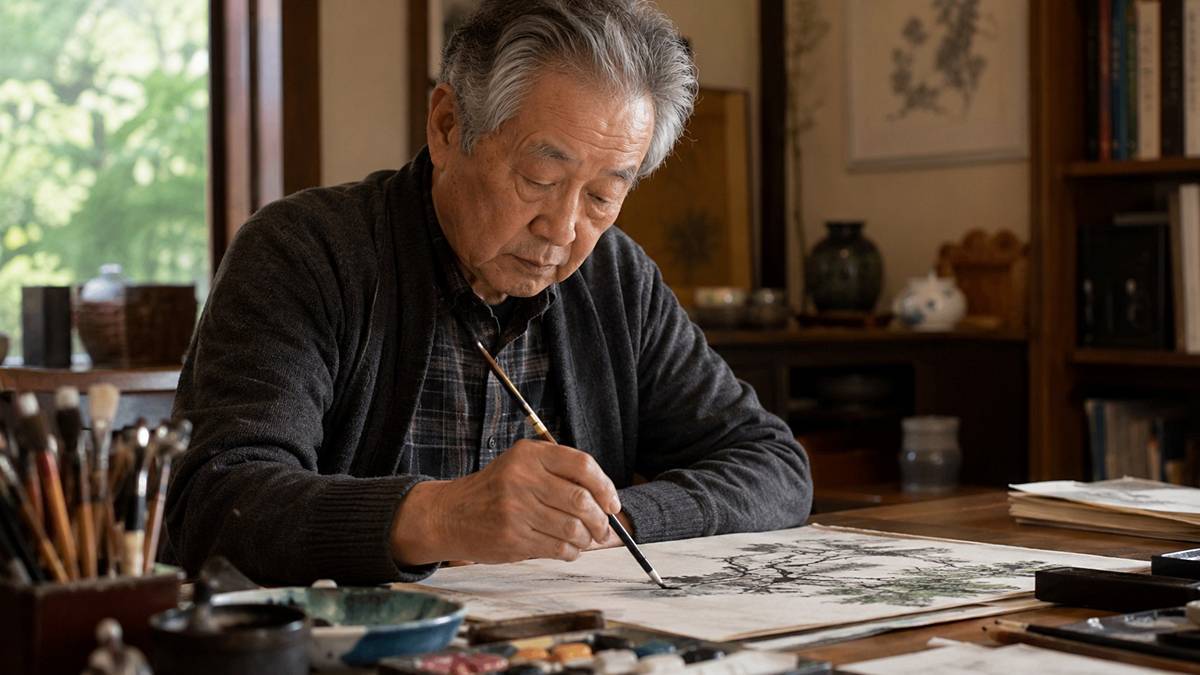
Playing an instrument, drawing, knitting or woodworking offers deep focus. Hands-on activities demand attention and produce visible results, which creates a strong sense of accomplishment. The process matters more than perfection.
You don’t have to choose a difficult instrument or make complex art at first. Try accessible options like the kalimba, harmonica or ukulele, or begin with colored-pencil sketches, simple watercolors or small knitted items. Hands-on hobbies reduce unconscious phone scrolling. If short videos provide instant fun, making things by hand builds slow, lasting satisfaction. Sharing completed work with family or friends adds social pleasure.
5. Social Hobbies
The most important hobby in later life is connecting with people. Clubs, volunteer work, choirs, book groups and walking groups—activities that bring conversation and movement—help reduce emotional isolation.
As you age, relationships do not expand on their own. You must make time, set plans and find things to do together. Short phone clips may make you laugh for a moment, but real conversations with real people can change how you feel that day.
A good retirement does not start with a grand hobby. It begins with small choices: look at screens a little less, move your body, use your hands and meet people. As Professor Lee warned, avoiding the habits that can undermine retirement is as important as building hobbies that sustain you.











Most Commented