
Translation result
Retirees, it’s time to decide which events you can skip
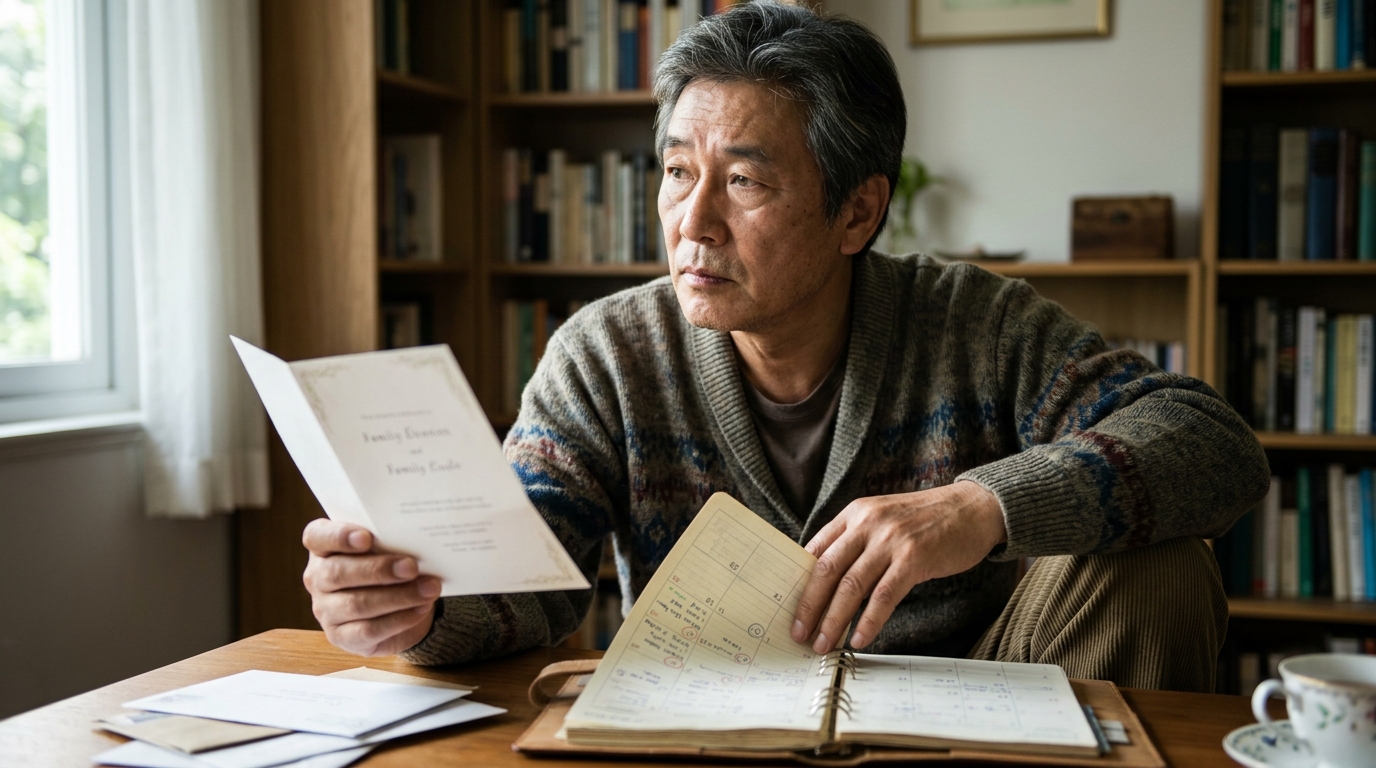
After retirement, many people find their calendars filled with social obligations: a friend’s child’s wedding, an acquaintance’s parent’s funeral, a grandchild’s first birthday, or a relative’s 60th birthday. These events occur at least once a month and, at times, two or three times in a single week.
Typical contributions range from 50,000–100,000 KRW (approximately $37.50–$75.00), and can be higher for close friends. Add them together and retirees can easily spend 4–5 million KRW a year (approximately $3,000–$3,750). Without a steady paycheck, that’s a meaningful sum.
A duty turned habit — does it persist after retirement?

For many years, attending these events felt like an extension of work. Employees showed up for a colleague’s parent’s 70th birthday or a boss’s child’s wedding, even when they were ill or the weather was poor. They feared that skipping would mark them as rude and damage their careers.
They had titles, business cards and clear reasons to maintain those ties. After retirement, that framework disappears: no salary, no title, no workplace obligation.
Yet many retirees continue to attend out of habit or obligation. Psychologists describe this as a fear of social exclusion. In Korean society, these gatherings do more than mark milestones — they make social rank and group bonds visible. The problem is that a retiree’s place in that social landscape changes after leaving the workforce.
Separate the events you should attend from those you can skip
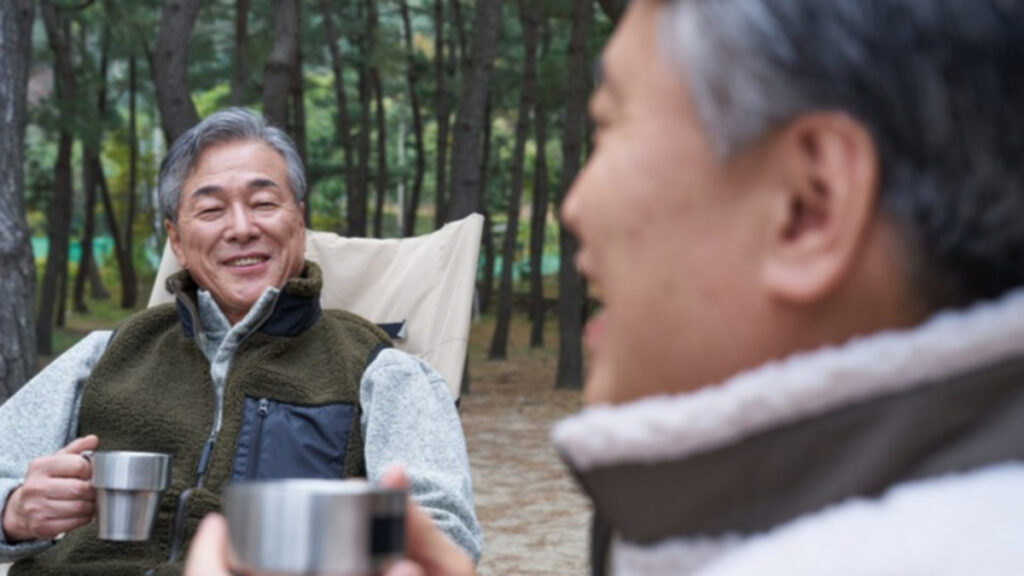
This is not an argument to skimp on meaningful relationships. If a relationship truly matters, you should attend. You would go to a lifelong friend’s child’s wedding, a sibling’s 60th birthday when that sibling has been a pillar in your life, or the funeral of a mentor whose debt you cannot repay. Those are occasions where the cost feels secondary.
You go because your heart is in it. But it’s different when the event concerns someone you haven’t seen in more than a decade, someone whose name you barely remember, or someone you only knew because you once worked at the same company.
Hosts often record only a name and an amount. Research indicates that relationships without contact for more than a year are typically classified as “past ties.”
Attending out of obligation only adds psychological strain on both sides. Setting standards about which events you won’t attend isn’t a declaration of cutting people off. It’s a mature way to decide where to invest limited energy and resources.
The 4–5 million KRW (approximately $3,000–$3,750) a year you might spend on social events could pay for a trip to Jeju Island with your spouse or classes in calligraphy or painting you’ve always wanted to take.
It could buy books for your grandchildren, provide a small boost to your children, or become an emergency fund that strengthens your retirement. As the scholar Jeong Yak-yong taught, money flows like water — use it carelessly and it will quickly run dry.
Wisdom in later life is not about attending many events but about attending the right ones. Spending time and money only on relationships that matter is the first step toward a fuller, more dignified retirement.













Most Commented