
Translation result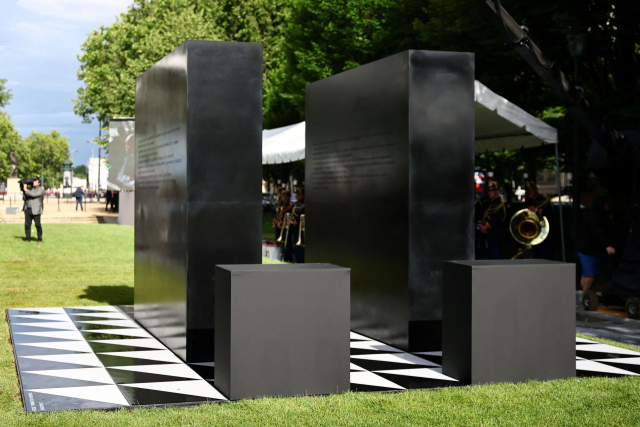
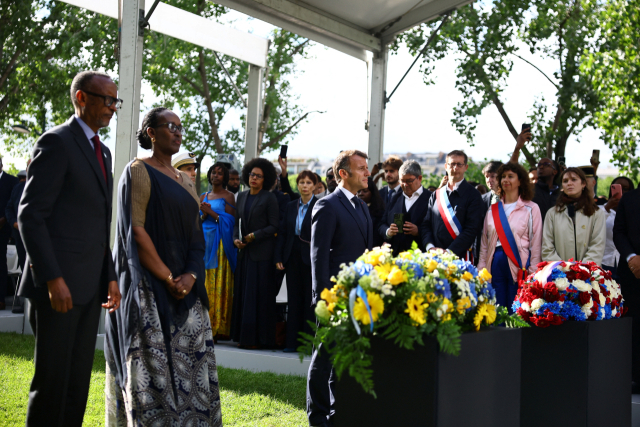
France installed a memorial to the victims of the 1994 Rwandan genocide on the banks of the Seine in Paris. The monument, two black-bronze stelae, bears inscriptions honoring the hundreds of thousands who were killed. On June 2 (local time), President Emmanuel Macron and Rwandan President Paul Kagame attended the unveiling on the Seine to commemorate the Tutsi victims of the mass killings.
Kagame said it had taken France too long to acknowledge its role, but he added that no country has gone as far as France in correcting the record and urged both countries to continue their journey toward the truth.
In Rwanda, on April 6, 1994, the plane carrying the president, who belonged to the majority Hutu group, was shot down, killing him. Beginning the next day and lasting roughly 100 days, Hutu perpetrators carried out indiscriminate killings targeting Tutsis and Hutus who opposed them. Estimates put the death toll at up to 800,000.
Since then, Rwanda has repeatedly accused French troops stationed there at the time of supplying weapons to perpetrators and helping some flee — allegations that enabled a number of suspects to resettle in France.
France long denied accusations that it aided the genocide or bore responsibility, but President Macron shifted that posture after taking office. In May 2019, he convened a commission to examine whether France had erred.
In 2021, the commission concluded that the government of François Mitterrand (1981–1995) had been complicit with a regime that encouraged racist violence and bore heavy responsibility, including failing to do enough to stop the killings. France has also added the Rwandan genocide to its high school curriculum.













Most Commented